Bathroom Tiling Timeline
Bathroom Tiling Time: How Long Does Tiling Take in Melbourne?
By Aussie Tradies Group
Of all the questions homeowners ask before a renovation, bathroom tiling time is one of the most common. You want to know how long the bathroom will be out of action, when the plumber can return, when you can use the shower again and when the whole project will finally be finished. The honest answer is that it depends, but it depends on a handful of clear factors that you can understand and plan around.
This guide explains how long bathroom tiling takes, what happens at each stage, and what can speed up or slow down the job. It is written by the team at Aussie Tradies Group, a local business based in Campbellfield that supplies tiling and waterproofing across Melbourne, backed by more than 25 years of practical experience. We tile bathrooms every week, so the advice here comes from real work on real sites.
Quick answer: Most standard bathroom tiling and waterproofing jobs take between one and five days, plus the curing time the waterproofing product requires. Larger bathrooms, complex layouts, mosaics and repairs to damaged surfaces can take longer. A full bathroom renovation, including demolition, plumbing and fit off, usually runs between two and six weeks.
How Long Does Bathroom Tiling Usually Take?
For a standard bathroom, the tiling itself is often completed within a few days. Waterproofing comes first, and it needs time to cure before the first tile goes on. Grouting and sealing follow after the tiles have set. When you add these stages together, the full tiling and waterproofing process commonly takes between one and five days of work, spread across a slightly longer period because of curing and setting times.
Why There Is No Single Answer
Every bathroom is different. A small ensuite with plain tiles can be finished much faster than a large family bathroom with a freestanding bath, a feature wall and a mosaic shower floor. The size of the room, the type of tile and the condition of the surfaces all change the timeline.
Tiling Time vs Total Renovation Time
It helps to separate the two. Tiling is only one stage of a full bathroom renovation. Demolition, rough in plumbing and electrical work, preparation, waterproofing, painting and fit off all take time too. When people ask about the length of the project, it is worth checking whether they mean the tiling stage or the whole renovation.
Bathroom Tiling Time at a Glance
The table below shows typical timeframes for common bathroom jobs. These are general guides, and your own quote should give a timeline for your specific project.
| Job | Typical time |
|---|---|
| Small ensuite, standard tiles | About two to three days, plus curing |
| Standard family bathroom | About three to five days, plus curing |
| Large bathroom or complex layout | Five days or more, plus curing |
| Replacing a few tiles or regrouting | Often one day or less |
| Full bathroom renovation | Two to six weeks in total |
The Stages of Bathroom Tiling and How Long Each Takes
Bathroom tiling is a process with several clear stages. Understanding each one helps you see where the time goes.
Stage One: Site Assessment and Quote
Before any work begins, the team reviews your photos or visits the site to check surfaces, drainage and access. You then receive a detailed quote with a timeline. This stage usually takes a short time, but it is worth doing carefully because it sets realistic expectations.
Stage Two: Surface Preparation
Old tiles are removed where needed, and the base is repaired, levelled and cleaned. Preparation can take anywhere from a few hours to a full day or more, depending on the condition of the walls and floor.
Why Preparation Matters
Walls must be straight, floors must be level and the falls towards the drain must be correct. Rushing this stage is a leading reason why tiles crack or lift months after a renovation. Good preparation saves time and money in the long run.
Stage Three: Waterproofing and Curing
Wet areas are sealed with a waterproofing membrane, with extra reinforcement in corners, joins and around drains. Every product has a required curing time, and it must be respected before tiling begins.
Curing Time
Curing time depends on the product used and the conditions on the day. Some products need a day or more before they are ready. Tiling too soon traps moisture and weakens the membrane, so a good team confirms the curing time and never skips it. You can learn more about bathroom waterproofing in Melbourne and why this stage matters so much.
Stage Four: Laying the Tiles
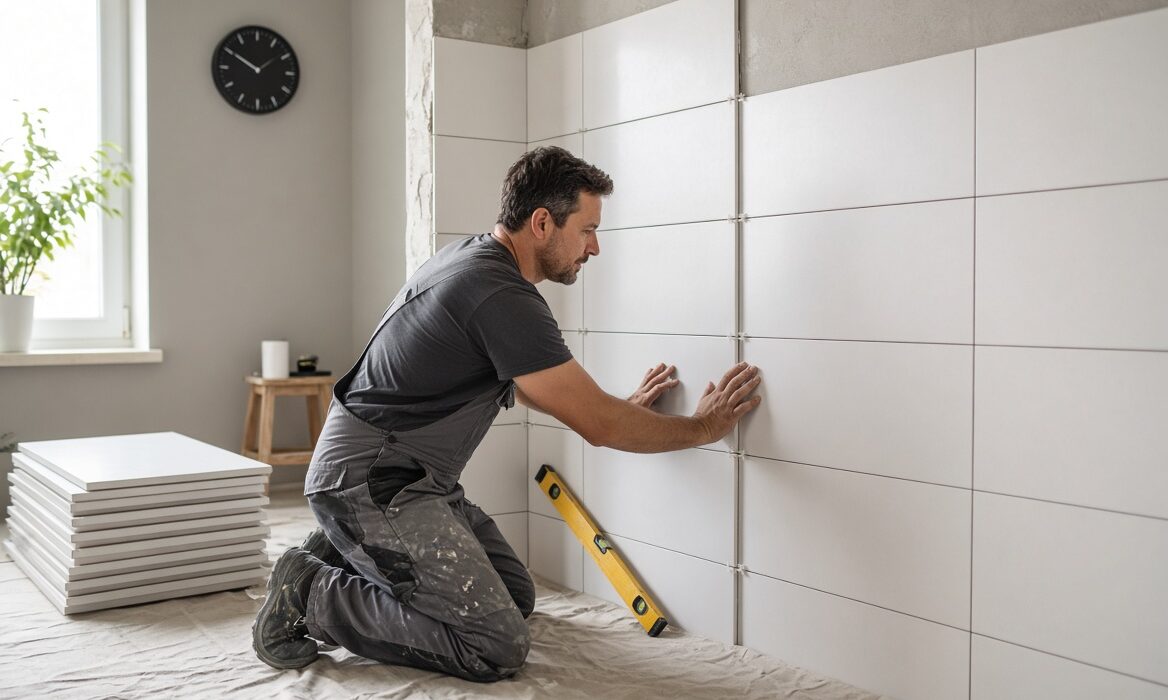
Once the membrane has cured, the tiles go on. A skilled tiler plans the layout first, deciding where the pattern starts so cuts at the edges look balanced and lines run straight. This is usually the longest stage of the job, and the time it takes depends on the tile size, the layout and the number of cuts.
What Slows Down Tile Laying
- Small tiles and mosaics, which take longer to place
- Patterns such as herringbone that need careful alignment
- Large format tiles, which need extra care and a very flat surface
- Many cuts around niches, windows and fittings
- Natural stone, which can need extra preparation and sealing
Setting Time
After the tiles are laid, the adhesive needs time to set before grouting begins. Setting times vary by adhesive, so a good tiler follows the manufacturer instructions rather than rushing.
Stage Five: Grouting and Sealing
After the tiles set, the joints are grouted and the internal corners are finished with flexible silicone. Silicone is used in corners instead of grout because it moves with the building. This stage often takes a day, followed by time for the grout and silicone to cure.
Stage Six: Cleaning and Handover
The area is cleaned and the team walks you through the finished job. You will be told how long to wait before using the shower, which depends on the grout and silicone products used.
What Affects Bathroom Tiling Time?
Several factors can make a tiling job faster or slower. Knowing them helps you plan and ask the right questions.
Size of the Bathroom
More surface area means more time. A large family bathroom with floor to ceiling tiling will take longer than a small powder room with tiles to half height.
Type and Size of Tile
Small tiles and mosaics need more time because there are more pieces to place. Large format tiles need extra care and a very flat surface. Natural stone often needs sealing before and after installation.
Layout and Pattern
A simple straight layout is quicker than a herringbone, a diagonal pattern or a mix of tile types. Features such as niches, steps and curved walls add detail and time.
Condition of the Existing Surfaces
If the walls and floor are in good shape, preparation is quick. If old tiles must be removed, or damaged sheeting repaired, the job takes longer. Hidden damage such as rotten timber or failed waterproofing is common in older Melbourne homes and can extend the timeline.
Waterproofing and Curing Requirements
Waterproofing cannot be rushed. The membrane must cure fully before tiling begins, and this waiting time is part of the schedule, even though no one is actively working.
Access and Working Conditions
Easy access and a clear site speed up work. Upper floors, narrow stairs and limited parking can slow the delivery of materials and the removal of waste.
Delivery of Tiles and Materials
Late or incorrect deliveries are one of the biggest causes of delay. Order your tiles early, check every box on delivery and make sure the full quantity is on site before the tiler starts.
How Long Does Each Type of Bathroom Job Take?
Tiling a New Bathroom
A new bathroom or extension gives the team a clean surface, so preparation is quick. Tiling and waterproofing are usually completed within the standard timeframe of between one and five days, plus curing.
Retiling an Existing Bathroom
Retiling often takes longer because old tiles and adhesive must be removed and the surface repaired. The extra preparation can add a day or more.
Replacing a Few Tiles or Regrouting
Small repairs are much quicker. Cracked tiles can be replaced individually, loose tiles re fixed and old grout renewed, often within a day. These repairs are a cost effective way to stop minor leaks early.
Shower Only Tiling
Tiling only the shower is faster than a full bathroom, but it still requires waterproofing and curing. Expect several days from start to finish.
How Long Before You Can Use the Bathroom Again?
This is the question most people really want answered. The answer depends on the products used, so always follow the advice your tiler gives you.
Grout and Silicone Curing
Grout and silicone need time to cure before they are exposed to water. Using the shower too early can cause staining, weak joints and early failure. Your tiler will tell you how long to wait, which is often at least a day or more, depending on the products.
Planning a Temporary Bathroom
If your home has only one bathroom, plan ahead. Arrange to use a friend’s bathroom, a gym or another facility during the work, and ask your team for an honest estimate of the days you will be without a shower.
How to Keep Your Bathroom Tiling on Schedule
A little preparation helps your project run smoothly.
- Choose and order your tiles early to avoid delivery delays
- Check every box on delivery for chips and colour differences
- Clear furniture and personal belongings from the work area
- Tell your team about pets, children and parking access in advance
- Confirm plumbing and electrical rough in work before tiling starts
- Finalise every design decision before work begins
Avoid Changing the Design Mid Project
Late changes cost money and time, especially after waterproofing or tiling has started. Decide on your tiles, layout and fittings before demolition begins.
Why Rushing Bathroom Tiling Is a Mistake
It is tempting to ask for the fastest possible job, but speed should never come before quality. A rushed tiling job often leads to cracked tiles, uneven lines, weak grout and, most seriously, leaks caused by poor waterproofing.
Waterproofing Is Not Optional
Tiles and grout are not waterproof on their own. Grout is porous and can crack as a house moves, so a proper waterproof layer must sit underneath. Skipping or rushing this step is the most expensive mistake a homeowner can make, because the damage is usually discovered only after it has become severe.
The Value of One Team
When the same business handles tiling and waterproofing, the two stages are planned together, and nobody has to guess who is responsible if something goes wrong later. You can read more on our tiling and waterproofing page.
Questions to Ask Your Tiler About Timing
- How many days will the tiling take, and how many days for waterproofing and curing?
- What could cause delays, and how will you keep me informed?
- When can I use the shower after the job is finished?
- Who is responsible for the waterproofing as well as the tiling?
- What happens if hidden damage is found during preparation?
Areas We Serve Across Melbourne
Aussie Tradies Group is based in Campbellfield and serves homeowners across northern, eastern and south eastern Melbourne. Our team regularly works in suburbs including Toorak, Doncaster, Box Hill, Hampton, Bentleigh, St Kilda and Hawthorn. If your suburb is not listed, please contact our team, because we can often help with projects in nearby areas. We also provide tree and stump removal for homeowners who need outdoor areas cleared before tiling.
Frequently Asked Questions About Bathroom Tiling Time
How long does it take to tile a bathroom?
Most standard bathroom tiling and waterproofing jobs take between one and five days, plus the curing time the waterproofing product requires. Larger bathrooms and complex layouts can take longer.
How long does a full bathroom renovation take?
A full renovation, including demolition, plumbing, electrical work, waterproofing, tiling and fit off, usually takes between two and six weeks, depending on size and complexity.
Why does waterproofing add time to the job?
Waterproofing must cure fully before tiling begins. Tiling too soon traps moisture and weakens the membrane, so the waiting time is an essential part of the schedule.
How long should I wait to use the shower after tiling?
It depends on the grout and silicone used. Your tiler will give you a specific time, which is often at least a day or more. Using the shower too early can cause staining and early failure.
Can bathroom tiling be done in one day?
Small repairs, such as replacing a few tiles or regrouting, can often be done in a day. A full bathroom needs more time because of preparation, waterproofing, curing and grouting.
What causes delays in bathroom tiling?
The most common causes are late tile deliveries, hidden damage found during preparation, changes to the design and extended curing times. Ordering early and finalising decisions before work starts reduces these risks.
Does the type of tile change how long tiling takes?
Yes. Small tiles, mosaics, patterns and natural stone take longer to install than large, simple tiles in a straight layout.
Ready to Plan Your Bathroom Tiling?
Bathroom tiling time depends on the size of the room, the type of tile, the condition of the surfaces and the waterproofing and curing needed along the way. Plan early, order your tiles on time and choose a team that gives you a clear, honest timeline.
Aussie Tradies Group provides tiling and waterproofing in Melbourne with clear quotes, tidy work sites and one team that stays responsible for the finished result. Call us on 0421 595 305, email info@atgltd.com.au or visit our contact page to request a free quote. You can also browse our full range of services or read more about our team before you decide.