How to Choose the Right Tile Pattern for Your Floor?
Choosing the right tile pattern for your floor is just as important as selecting the tile colour, material and size. The way tiles are arranged can change how spacious a room feels, influence its overall appearance and complement the interior design of your property. Whether you are renovating a kitchen, upgrading a living room or installing new tiles in a bathroom, the right floor tile pattern can create a balanced and attractive finish.
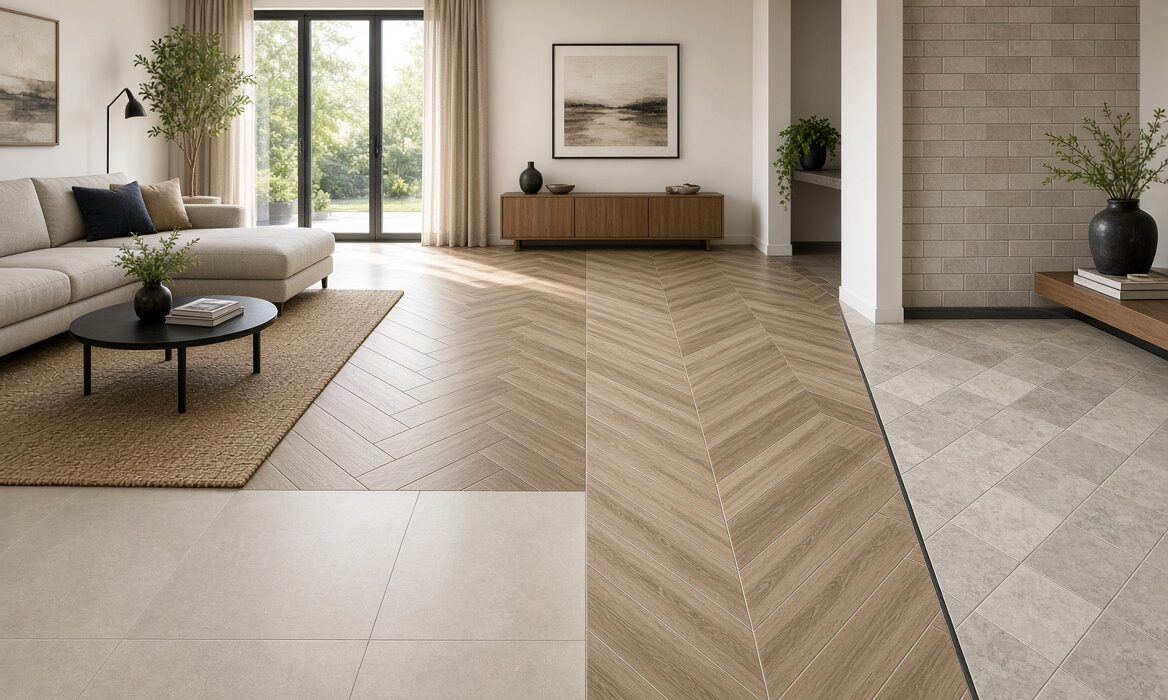
Popular floor tile patterns include straight lay, running bond, diagonal, herringbone, chevron and basketweave. Each design offers a different appearance and works better with certain room shapes, tile sizes and interior styles.
At Aussie Tradies Group, we understand the importance of professional tiling and careful installation. This guide explains how to choose the right tile pattern for your floor, what to consider before installation and which layouts work best for different spaces.
Why Does Choosing the Right Floor Tile Pattern Matter?
A tile pattern affects more than the appearance of your floor. It influences how people perceive the size, shape and overall layout of a room.
For example, a diagonal tile layout can make a compact room appear more open, while a straight pattern creates a clean and organised appearance. A herringbone design introduces movement and visual interest without requiring multiple tile colours.
Selecting an appropriate pattern also helps with:
- Creating visual balance throughout the room.
- Making narrow spaces appear wider or longer.
- Complementing furniture, wall colours and interior finishes.
- Reducing unnecessary tile cutting and material waste.
- Achieving a consistent and professional flooring finish.
Before selecting a design, consider the dimensions of your room, the type of tiles and the appearance you want to achieve.
7 Popular Floor Tile Patterns to Consider
Different tile arrangements create different visual effects. Here are seven popular tile patterns worth considering for residential and commercial flooring projects.
1. Straight Lay Tile Pattern
The straight lay pattern is one of the simplest and most versatile flooring designs. Tiles are installed in straight rows and columns, with each grout line aligned with the neighbouring tiles.
This layout creates a neat, symmetrical and modern appearance. It works particularly well with square tiles, large-format porcelain tiles and natural stone flooring.
Best suited for:
- Living rooms and open-plan spaces.
- Kitchens and dining areas.
- Commercial floors.
- Modern and minimalist interiors.
One major advantage of straight lay installation is its simplicity. It generally requires fewer complicated cuts and can help reduce installation time and material waste.
2. Running Bond or Brick Tile Pattern
The running bond pattern arranges rectangular tiles in staggered rows, similar to the appearance of a traditional brick wall. Each row is offset from the previous one.
This design adds subtle movement to the floor while maintaining a balanced and traditional appearance.
It is particularly suitable for rectangular ceramic tiles, wood-look porcelain planks and smaller flooring formats.
Best suited for:
- Kitchens.
- Hallways and corridors.
- Laundry rooms.
- Traditional and contemporary interiors.
For longer rectangular tiles, a one-third offset may be preferable to a half-tile offset, depending on the manufacturer’s installation recommendations and tile flatness.
3. Diagonal Tile Pattern
A diagonal tile pattern involves installing square tiles at approximately 45 degrees to the room’s walls. Instead of following the wall direction, the grout lines create a diamond-shaped arrangement.
This layout introduces visual movement and can make smaller rooms appear more spacious.
Best suited for:
- Small living rooms.
- Compact kitchens.
- Narrow entryways.
- Rooms with slightly irregular wall proportions.
However, diagonal installation usually involves additional edge cuts and more material waste. Accurate measurements and careful planning are essential for a balanced finish.
4. Herringbone Tile Pattern
Herringbone is a decorative tile layout in which rectangular tiles are arranged at right angles to create a repeated zigzag design.
It is an excellent choice for homeowners who want their flooring to become a noticeable design feature.
The pattern works especially well with wood-effect porcelain tiles and rectangular ceramic tiles.
Best suited for:
- Living rooms.
- Entrance areas.
- Kitchen floors.
- Feature flooring in contemporary homes.
Although herringbone creates an attractive finish, installation requires precise alignment and additional cutting. Professional installation helps maintain consistent spacing and a symmetrical pattern.
5. Chevron Tile Pattern
Chevron is another distinctive flooring design that creates a continuous V-shaped arrangement.
Unlike herringbone, the ends of chevron tiles are cut at matching angles so they meet to form a continuous zigzag line.
This creates a more streamlined and geometric appearance.
Best suited for:
- Modern living spaces.
- Large entrance areas.
- Feature floors.
- Contemporary commercial interiors.
Chevron patterns look particularly attractive with rectangular wood-look tiles. However, the tile dimensions and angled edges must be planned carefully before installation.
6. Basketweave Tile Pattern
The basketweave pattern creates the appearance of woven material by arranging rectangular tiles in alternating horizontal and vertical groups.
This design adds texture and character without requiring complicated colour combinations.
It is often associated with traditional interiors, but it can also work in modern properties when neutral tile colours are selected.
Best suited for:
- Bathrooms.
- Small entrance areas.
- Traditional kitchens.
- Decorative flooring sections.
Basketweave layouts work best when the tile dimensions are consistent and the grout joints are properly aligned.
7. Checkerboard Tile Pattern
The checkerboard pattern uses two contrasting tile colours arranged in alternating squares.
Black and white is a classic combination, but homeowners can also choose softer shades such as beige and cream, grey and white or other complementary colours.
Best suited for:
- Kitchens.
- Entrance halls.
- Dining spaces.
- Vintage-inspired interiors.
A checkerboard floor can become the main design feature of a room. For this reason, it is often best to keep surrounding walls and furniture relatively simple.
How to Choose the Best Tile Pattern for Different Room Sizes
Room dimensions should be one of the first considerations when selecting a floor tile pattern. The same tile arrangement can look completely different depending on the available space.
Tile Patterns for Small Rooms
Small rooms benefit from layouts that create visual continuity and avoid excessive visual clutter.
Consider these options:
- Diagonal layouts can introduce a sense of openness.
- Straight layouts with larger tiles can create a cleaner appearance.
- Light-coloured tiles can help reflect natural light.
- Matching grout colours can make the flooring appear more continuous.
Avoid selecting an overly complicated pattern if the room already contains several decorative elements.
Tile Patterns for Large Rooms
Larger rooms offer more flexibility because they can accommodate detailed patterns and larger tile formats.
Consider:
- Herringbone for a decorative finish.
- Chevron for a modern geometric appearance.
- Straight lay for a spacious and minimalist look.
- Checkerboard for a distinctive flooring feature.
Large-format tiles can also help create a consistent appearance across open-plan living spaces.
Tile Patterns for Narrow Hallways
Long and narrow spaces require careful consideration of tile direction.
Rectangular tiles installed along the length of the hallway can emphasise its proportions. Alternatively, a diagonal layout can introduce a different visual effect.
Running bond and herringbone patterns are also worth considering when the dimensions and tile format allow them.
6 Important Factors to Consider Before Choosing a Tile Pattern
Before finalising your flooring design, evaluate the following factors.
1. Tile Size and Shape
Not every tile works with every layout. Square tiles are commonly used for straight and diagonal arrangements, while rectangular tiles provide more flexibility for running bond, herringbone and chevron designs.
Always check whether the selected tile is suitable for your preferred installation pattern.
2. Room Dimensions
Measure the length and width of the room before selecting a pattern. Consider doorways, corners, fixed cabinets and other obstacles that may affect the tile arrangement.
A properly planned layout helps prevent narrow cuts along visible edges.
3. Interior Design Style
Your flooring should complement the overall appearance of your property.
For example:
- Modern interiors: Straight lay and chevron.
- Traditional interiors: Basketweave and running bond.
- Minimalist interiors: Straight lay with neutral colours.
- Decorative interiors: Herringbone and checkerboard.
4. Grout Colour and Width
Grout has a significant impact on how a tile pattern looks.
Matching grout creates a more seamless appearance, while contrasting grout highlights individual tiles and makes the layout more noticeable.
Choose an appropriate grout width based on the tile manufacturer’s specifications and installation requirements.
5. Installation Cost and Material Waste
Some tile patterns require more cutting, preparation and installation time than others.
Straight lay is generally simpler, while diagonal, herringbone and chevron arrangements can require additional labour and material.
Discuss the expected material requirements with your tiling professional before purchasing tiles.
6. Practicality and Maintenance
Flooring should be attractive as well as practical.
Consider the amount of foot traffic, cleaning requirements, moisture exposure and slip resistance when choosing tiles.
For wet areas, select tiles with suitable slip-resistance properties rather than choosing a design based on appearance alone.
Common Mistakes to Avoid When Selecting Floor Tile Patterns
Even attractive tile designs can produce disappointing results if the layout is not planned properly.
Avoid these common mistakes:
Choosing a Pattern Without Measuring the Room
Incorrect measurements can result in uneven edge cuts and poorly balanced layouts. Always measure the room and plan the arrangement before installation.
Ignoring Tile Manufacturer Recommendations
Some large-format tiles have limitations on how they should be offset. Follow the manufacturer’s instructions to minimise uneven edges and lippage.
Selecting Too Many Competing Designs
Combining multiple decorative patterns, contrasting colours and different tile sizes can make a room appear visually crowded.
Choose one main flooring pattern and coordinate the remaining finishes around it.
Forgetting About Furniture Placement
Consider where furniture, kitchen cabinets and other permanent fixtures will sit. The most visible parts of the floor should receive particular attention during layout planning.
Hiring Inexperienced Installers
Complex patterns require accurate measurements, consistent spacing and professional cutting techniques. Poor installation can affect the final appearance and long-term performance of your flooring.
Why Professional Tile Installation Makes a Difference
Choosing the right tile pattern is only one part of creating an attractive floor. Proper surface preparation and accurate installation are equally important.
Professional tilers consider the condition of the existing floor, substrate level, tile dimensions, layout direction and grout spacing before beginning work.
A professional installation process generally includes:
- Measuring the flooring area accurately.
- Checking and preparing the substrate.
- Selecting the most suitable tile arrangement.
- Establishing reference lines and positioning the first tiles.
- Maintaining consistent spacing throughout installation.
- Cutting edge tiles accurately.
- Applying grout and completing the final inspection.
These steps help achieve a durable, level and visually consistent flooring finish.
At Aussie Tradies Group, we understand that every flooring project has different requirements. Our focus is on providing practical tiling solutions that complement the property’s design and intended use.
Final Thoughts
Choosing the right tile pattern for your floor depends on room dimensions, tile size, interior style, installation requirements and personal preferences.
Straight lay is an excellent option for a clean and timeless finish, while running bond offers a traditional appearance. Diagonal layouts can add visual movement, and herringbone or chevron patterns create distinctive decorative features.
The most important step is to plan the layout before installation. By considering both appearance and practicality, you can create flooring that complements your property and remains attractive for years.
If you are planning a flooring upgrade or need professional tiling assistance, Aussie Tradies Group can help you choose a suitable approach for your project.
Ready to upgrade your flooring? Contact Aussie Tradies Group to discuss your tiling requirements and request a quote.
Frequently Asked Questions
What is the most popular floor tile pattern?
Straight lay and running bond are among the most popular floor tile patterns because they are versatile, practical and suitable for different interior styles.
Which tile pattern makes a small room look bigger?
Diagonal layouts can make a small room appear wider by changing the direction of the visual lines. Large-format tiles with matching grout can also create a more continuous appearance.
Is herringbone a good pattern for floor tiles?
Yes. Herringbone is a popular option for rectangular floor tiles. It creates a distinctive zigzag design and works well in living rooms, kitchens and entrance areas.
Which floor tile pattern is easiest to install?
Straight lay is generally one of the easiest patterns to install because tiles are arranged in aligned rows and columns. It usually requires fewer complicated cuts than decorative layouts.
Does tile pattern affect installation cost?
Yes. Complex layouts such as herringbone, chevron and diagonal patterns can require additional cutting, preparation and labour compared with a straightforward grid layout.
Which tile pattern is best for a kitchen floor?
Straight lay, running bond and herringbone are all suitable options for kitchen floors. The best choice depends on the kitchen dimensions, tile format and overall interior design.
How much extra tile should I buy for a patterned floor?
The additional quantity depends on the tile layout, room shape and number of cuts. A simple straight layout may require less extra material than diagonal or herringbone installation. Ask your installer to calculate the requirement before ordering.