When Is the Best Time of Year to Schedule Tree Removal?
The best time of year to schedule tree removal depends on the tree’s condition, weather, surrounding environment and reason for removal. In many parts of Australia, autumn and winter can be suitable seasons for planned tree removal because cooler temperatures and reduced foliage on deciduous trees may make some jobs easier to manage. However, the right timing also depends on local weather, ground conditions, tree species and wildlife activity.
If a tree is damaged, unstable, diseased or creating a safety risk, waiting for a particular season is not always appropriate. Professional assessment should take priority over seasonal preferences.
For homeowners planning landscaping, clearing space or removing an unwanted tree, choosing a suitable time can help make the process more organised and reduce unnecessary disruption.
At Aussie Tradies Group, we understand the importance of safe and properly planned tree removal. This guide explains the best seasons for tree removal, what factors influence scheduling and when you should arrange professional assistance.
What Is the Best Season for Tree Removal?
There is no single season that is best for removing every tree. Autumn, winter, spring and summer each have different advantages and challenges.
The most suitable time depends on the tree species, its condition, access to the property and the surrounding environment.
1. Tree Removal During Autumn
Autumn can be a suitable period for planning tree removal, particularly for properties with deciduous trees.
During autumn, many deciduous trees begin losing their leaves. This can make branches and the overall tree structure easier to inspect.
Some advantages of autumn tree removal include:
- More comfortable working temperatures than during summer.
- Better visibility of the tree structure as leaves fall.
- An opportunity to prepare gardens before winter.
- Time to organise landscaping projects before the following growing season.
However, autumn weather can bring rain and falling leaves, which may affect ground conditions and site access.
Before scheduling removal, contractors should inspect the property and consider whether the soil is firm enough to support machinery.
2. Tree Removal During Winter
Winter is often a practical season for planned tree removal, particularly when the weather is mild and the ground remains stable.
Deciduous trees have usually lost their leaves, allowing arborists to inspect branches, identify structural defects and plan removal more clearly.
Potential benefits include:
- Better visibility of branch structure.
- Reduced heat exposure for workers.
- Opportunities to prepare properties for spring landscaping.
- Easier assessment of some deciduous trees.
However, winter is not automatically the best time for every removal project.
Heavy rainfall, waterlogged soil, strong winds and cold weather can make some jobs more difficult. Wet ground may also affect access for tree removal equipment.
Contractors should assess local conditions before confirming a date.
3. Tree Removal During Spring
Spring is a period of active growth for many trees and plants. It can still be suitable for necessary tree removal, but environmental considerations become particularly important.
Birds and other native wildlife may use trees for nesting, shelter and breeding during this period.
Before removing a tree, contractors should check for active nests, hollows and wildlife activity.
Benefits of scheduling suitable work during spring include:
- Preparing outdoor spaces for summer.
- Clearing unwanted trees before major landscaping projects.
- Addressing trees that have developed structural problems.
- Creating space for planned garden improvements.
Where wildlife is present, removal may need to be delayed until the relevant environmental requirements have been addressed.
4. Tree Removal During Summer
Summer can be suitable for some tree removal projects, particularly when weather conditions are stable and access is available.
However, high temperatures, dry conditions and fire danger can create additional challenges.
Considerations include:
- Extreme heat affecting working conditions.
- Dry soil and increased dust.
- Fire danger during periods of high temperatures.
- Strong storms that may damage branches.
- Restrictions on machinery or vegetation work in certain areas.
If a tree is creating an immediate safety concern, professional assessment should not be delayed simply because it is summer.
Why Does the Season Matter When Scheduling Tree Removal?
The season can influence how easily contractors access the tree, operate equipment and manage the surrounding environment.
Several factors should be considered before choosing a removal date.
Weather Conditions
Weather is one of the most important factors affecting tree removal.
Heavy rain can soften soil and make machinery access difficult. Strong winds can make working at height more hazardous, while extreme heat can increase risks for workers.
Professional contractors monitor conditions and may reschedule work when weather makes the site unsafe.
Tree Condition
The condition of the tree is more important than the calendar.
Dead, damaged, diseased or unstable trees may require prompt attention regardless of the season.
Signs that a tree needs professional assessment include:
- Large dead or hanging branches.
- Visible trunk cracks or splits.
- Significant leaning or movement.
- Fungal growth around the trunk or base.
- Damaged roots or disturbed soil.
- Branches interfering with buildings or access areas.
An arborist can assess the tree and determine whether removal, pruning or another management option is appropriate.
Wildlife and Nesting Activity
Trees provide important habitats for birds, possums and other native animals.
Spring is a particularly important period to consider because many wildlife species are breeding or nesting.
In Victoria, government guidance recommends avoiding activities that disturb vegetation during spring where wildlife breeding may be affected, unless the work is authorised or necessary.
Before removing a tree, check for:
- Active bird nests.
- Tree hollows.
- Possums and other native animals.
- Signs of wildlife sheltering in branches or trunks.
If wildlife is discovered during removal, work may need to stop until an appropriate wildlife professional provides advice.
Ground Conditions
Ground conditions affect machinery access, particularly when using elevated work platforms, chippers and other heavy equipment.
Wet or muddy ground can make machinery positioning difficult.
For properties with sloping gardens, narrow access routes or soft soil, contractors may recommend waiting for more suitable conditions.
When Should You Remove a Dead or Dangerous Tree?
A dangerous tree should not be left unattended simply because the preferred removal season has not arrived.
If a tree is dead, structurally compromised or threatening nearby property, arrange a professional inspection as soon as possible.
Dead Trees
Dead trees can lose structural strength over time. Branches may become brittle and fall unexpectedly.
A professional assessment helps determine whether the tree can remain safely or needs removal.
Storm-Damaged Trees
Strong winds and storms can split branches, damage trunks and weaken root systems.
Trees with hanging limbs, newly developed cracks or significant structural damage should be assessed promptly.
Leaning Trees
A tree that suddenly develops a noticeable lean may indicate root damage or ground movement.
Look for:
- Raised soil around the base.
- Exposed or damaged roots.
- Cracks in the surrounding ground.
- Sudden changes in the trunk position.
Keep people away from the potential fall zone and arrange a professional inspection.
Trees Affecting Buildings
Trees growing too close to houses, garages, fences or other structures may create maintenance and safety concerns.
An arborist can assess the situation and recommend whether selective pruning or complete removal is appropriate.
How to Choose the Right Time for Different Tree Removal Projects
The ideal schedule depends on the purpose of the work.
Residential Garden Tree Removal
For general garden improvements, autumn and winter can provide useful scheduling opportunities when weather and soil conditions are suitable.
Removing unwanted trees before a landscaping project can help create more usable outdoor space.
Tree Removal Before Construction
If you are planning an extension, driveway, swimming pool or other construction project, arrange a tree assessment early.
This allows time to check local council requirements, identify protected trees and coordinate the work with builders.
Commercial Property Tree Removal
Commercial properties may require removal to improve access, manage safety risks or prepare outdoor areas for development.
Scheduling should consider business operations, pedestrian access and equipment requirements.
Tree Removal After Storm Damage
Storm-damaged trees require a different approach.
Do not wait for autumn or winter if branches have become unstable or the tree presents an immediate risk.
Arrange professional assistance as soon as possible.
Does Tree Species Affect the Best Time for Removal?
Yes. Different tree species have different growth patterns, structures and environmental requirements.
Eucalyptus Trees
Eucalyptus trees are common throughout Australia.
Some species can develop large canopies and heavy branches. Their condition, branch structure and surrounding environment should be assessed before removal.
The presence of hollows and native wildlife should also be considered.
Deciduous Trees
Deciduous trees lose their leaves during autumn and winter.
This can improve visibility of their branch structure and make some planned removal work easier to assess.
Pine Trees
Pine trees retain their foliage throughout the year.
Their height, branch arrangement and overall structure influence the removal process more than seasonal leaf loss.
Fruit Trees
Fruit trees may be removed as part of garden renovations or when they become damaged, diseased or unproductive.
The timing should consider the species, fruiting cycle and intended replacement planting.
The condition of the tree and safety requirements should always take priority over general seasonal recommendations.
What Should You Check Before Scheduling Tree Removal in Australia?
Before arranging tree removal, homeowners should consider several practical and legal requirements.
1. Check Local Council Regulations
Tree removal requirements vary between Australian states, territories and local councils.
In Victoria, certain trees may be protected under planning schemes, vegetation protection overlays or local laws.
A permit may be required before removing a tree, even when it is located on private property.
Check with your local council before arranging removal.
2. Arrange a Professional Tree Assessment
A qualified professional can inspect the tree’s condition, size, location and potential risks.
An assessment can also help determine the most appropriate removal method and equipment.
3. Consider Nearby Structures
Identify nearby houses, fences, power lines, driveways and garden features.
These factors influence how the tree can be dismantled and how equipment can access the working area.
4. Plan Green Waste Management
Tree removal can generate branches, leaves, logs and other green waste.
Discuss whether the material will be chipped, removed from the property or managed separately.
5. Consider Future Landscaping
If you intend to install new grass, create a garden bed or build another outdoor feature, discuss these plans before removal.
This helps coordinate tree removal with any additional stump grinding or landscaping requirements.
How to Prepare Your Property for Tree Removal
Preparing the property before the scheduled removal date can help the work proceed more efficiently.
Clear the Working Area
Move vehicles, garden furniture, outdoor equipment and other movable objects away from the removal area.
Inform Your Neighbours
If the tree is close to a shared boundary, driveway or neighbouring property, communicate the planned work where appropriate.
Keep Children and Pets Away
Establish a safe area away from machinery, falling branches and other work activities.
Identify Access Restrictions
Inform the contractor about narrow gates, overhead obstacles, retaining walls and other access limitations.
Confirm the Removal Plan
Discuss the removal method, expected schedule, waste management and whether stump grinding is also required.
Why Professional Tree Removal Is Important
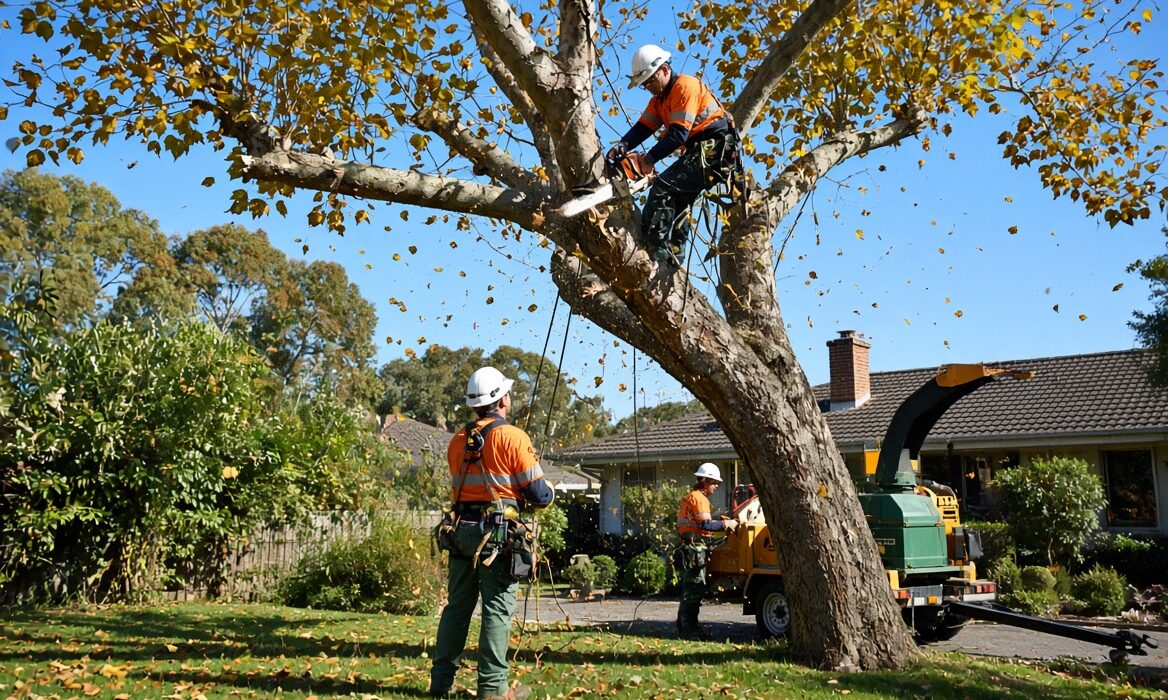
Tree removal involves heavy branches, specialised machinery and potentially dangerous working conditions.
Attempting to remove large trees without suitable training and equipment can result in serious injuries and property damage.
Professional contractors assess the tree, identify potential hazards and select an appropriate removal method.
A typical professional tree removal project involves:
- Inspecting the tree and surrounding property.
- Checking relevant permits and access requirements.
- Identifying potential hazards.
- Planning the dismantling or removal method.
- Establishing a safe working zone.
- Removing branches and trunk sections in a controlled manner.
- Managing the resulting green waste.
- Discussing stump grinding where required.
Professional planning helps reduce unnecessary disruption and ensures that the work is approached with safety in mind.
Frequently Asked Questions About Tree Removal Timing
What is the best month to remove a tree in Australia?
There is no single best month for every tree. Autumn and winter can be suitable for many planned removal projects, but tree species, weather, wildlife and local regulations should determine the final schedule.
Is winter a good time for tree removal?
Yes. Winter can offer cooler working conditions and better visibility of deciduous tree structures. However, heavy rain and waterlogged soil can make some projects difficult.
Can trees be removed during summer?
Yes. Tree removal can take place during summer when conditions are suitable. Contractors must consider extreme heat, fire danger, weather and machinery operating restrictions.
Should I remove a tree before spring?
It may be practical to schedule planned work before spring, but wildlife considerations are important. Check for nesting activity and applicable environmental requirements before proceeding.
Should I wait for winter to remove a dangerous tree?
No. If a tree presents an immediate safety risk, arrange professional assessment promptly. Safety should take priority over seasonal preferences.
Does tree removal cost less during winter?
Not necessarily. Pricing depends on tree size, species, location, access, equipment and disposal requirements. Seasonal demand may influence contractor availability, but winter does not guarantee lower prices.
Can tree removal be scheduled during rainy weather?
Light rain does not automatically prevent every job, but heavy rain, strong winds and unstable ground can make tree removal unsafe. Contractors should assess conditions before proceeding.
Do I need council approval before removing a tree?
Depending on your location, tree species, size and property restrictions, a permit may be required. Check with your local council before arranging removal.
Final Thoughts
The best time of year to schedule tree removal depends on the tree’s condition, local weather, wildlife activity and property requirements.
Autumn and winter can be practical seasons for many planned projects, particularly when deciduous trees have lost their leaves and working temperatures are more comfortable.
However, there is no universal removal season. Spring and summer can also be suitable when conditions allow, while dangerous or storm-damaged trees may require immediate professional attention.
Before scheduling tree removal, arrange an assessment, check local council requirements and discuss access, equipment and green waste management.
At Aussie Tradies Group, we understand the importance of careful planning and professional tree removal services.
Planning to remove a tree from your property? Contact Aussie Tradies Group to discuss your requirements and request a quote.