Bathroom Tiling Mistakes
Common Bathroom Tiling Mistakes to Avoid in 2026
A tiled bathroom should look good and perform well for many years. Yet every week we meet homeowners who are dealing with cracked tiles, leaking showers, uneven lines or grout that will not stay clean. In almost every case, the cause is not bad luck. It is one of a handful of bathroom tiling mistakes that could have been avoided with better planning, better preparation or better advice.
This guide explains the most common bathroom tiling mistakes, why they happen and how to avoid them. It is written by the team at Aussie Tradies Group, a local business based in Campbellfield that supplies tiling and waterproofing across Melbourne, backed by more than 25 years of practical experience. We have repaired and rebuilt many bathrooms affected by these problems, so the advice here comes from real work on real sites.
Quick answer: The most common bathroom tiling mistakes are skipping or rushing waterproofing, poor surface preparation, choosing the wrong tile for floors, ignoring the slope to the drain, using the wrong adhesive or grout, skipping layout planning, rushing curing times, poor silicone work and hiring on price alone. Each mistake is avoidable with careful planning and the right team.
Why Bathroom Tiling Mistakes Are So Costly
A bathroom is a wet room, and water finds every weakness. A mistake that looks small on day one can let moisture into walls and floors, where it causes mould, rot and expensive repairs. Fixing a tiling mistake often means removing the tiles, repairing the surface beneath and starting again, which costs far more than doing it correctly the first time.
Mistakes Often Hide Until Later
Many tiling problems are invisible at handover. The bathroom looks perfect, but a missing waterproofing layer or a weak adhesive bond only shows itself months or years later. That is why choosing a careful team matters just as much as choosing a beautiful tile.
Bathroom Tiling Mistakes at a Glance
The table below gives a quick summary before we explore each mistake in detail.
| Mistake | What can go wrong |
|---|---|
| Skipping or rushing waterproofing | Leaks, mould and structural damage |
| Poor surface preparation | Cracked, lifted or uneven tiles |
| Wrong tile for the floor | Slippery surfaces and cracks |
| Poor falls to the drain | Pooling water and damp smells |
| Wrong adhesive or grout | Loose tiles and stained joints |
| No layout planning | Thin edge cuts and crooked lines |
| Rushing curing and setting | Weak bonds and failed membranes |
| Poor silicone work | Leaks at corners and joins |
| Choosing on price alone | Hidden shortcuts and costly repairs |
Mistake One: Skipping or Rushing Waterproofing
This is the most expensive bathroom tiling mistake of all. Tiles and grout are not waterproof on their own. Grout is porous and can crack as a house moves, so a proper waterproofing layer must be applied under the tiles in every wet area before the first tile is laid.
What Goes Wrong
Without a continuous membrane, water slowly reaches the wall sheeting, the floor and the framing. The damage spreads quietly, and by the time you notice a smell or a stain, repairs can be extensive. You can learn more about bathroom waterproofing in Melbourne and why it must always come first.
Rushing the Curing Time
Even when waterproofing is applied, it must be allowed to cure fully before tiling begins. Every product has its own curing time. Tiling too soon traps moisture and weakens the membrane. A good team confirms the curing time and never skips it.
Weak Corners and Drains
Leaks usually begin where surfaces meet, such as wall corners, the join between wall and floor and around the drain. These areas need extra reinforcement so the membrane can flex as the house moves.
Mistake Two: Poor Surface Preparation
Tiles are only as good as the surface beneath them. Walls must be straight, floors must be level and everything must be clean, dry and sound before tiling begins.
What Goes Wrong
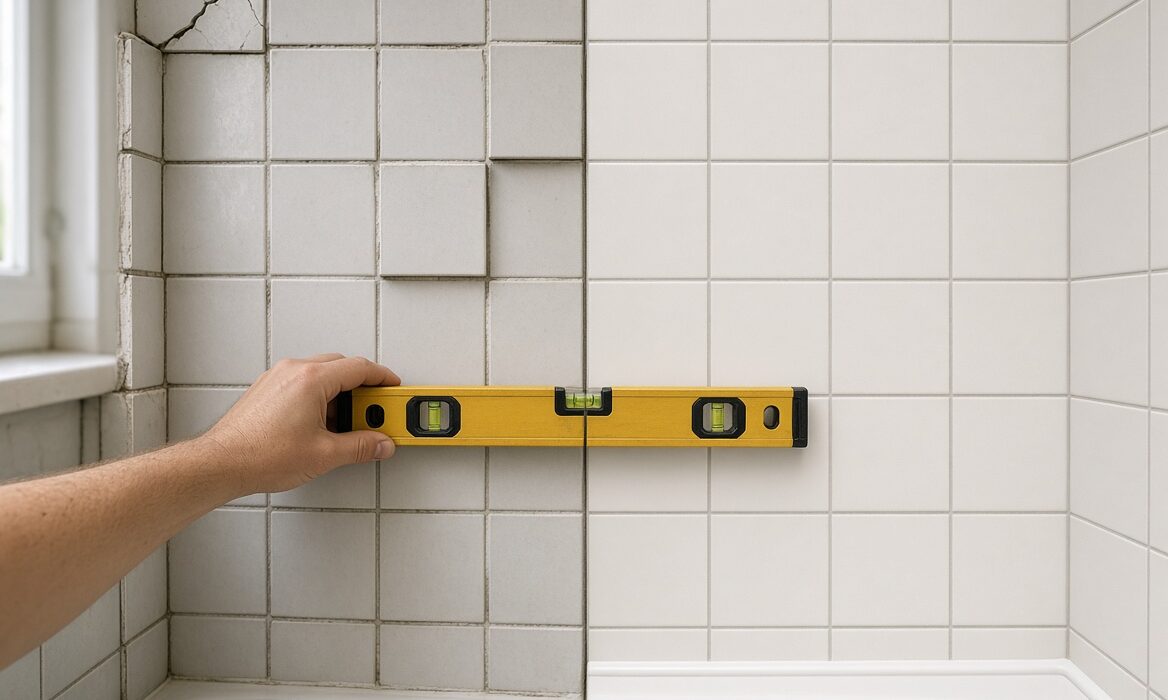
Uneven surfaces show up as uneven tiles. Lumps and dips lead to lippage, which is when the edges of neighbouring tiles sit at different heights. Weak or damaged surfaces cause tiles to crack, lift or fall off.
How to Avoid It
Ask your tiler how they will check and correct the walls and floor. A skilled team repairs damaged sheeting, levels the floor and removes old adhesive before starting. Preparation takes time, but it is the foundation of a lasting result.
Mistake Three: Choosing the Wrong Tile for the Floor
A tile that looks beautiful in the showroom may be a poor choice for a wet floor. Glossy, polished tiles become very slippery once water and soap are present.
What Goes Wrong
A smooth floor tile can cause slips and falls, especially for children and older family members. Thin wall tiles used on floors can crack under foot traffic and furniture.
How to Avoid It
Always ask about the slip resistance rating of a floor tile, and choose matte, honed or textured finishes for bathroom floors and shower bases. Use tiles marked as suitable for floors, and keep glossy tiles for the walls.
Shower Floors Need Extra Grip
The shower floor is wet and soapy every day, so it needs the highest level of grip. Small tiles or mosaics are popular here because they follow the slope to the drain and add natural traction through their grout lines.
Mistake Four: Ignoring the Slope to the Drain
Water must flow steadily towards the drain with no flat spots where it can sit. This slope is called the fall, and getting it wrong is one of the most common bathroom tiling mistakes.
What Goes Wrong
When the fall is too flat or uneven, water pools on the floor. Standing water leads to damp smells, stained grout and mould, and it puts extra stress on the waterproofing.
How to Avoid It
The fall is created in the layer beneath the tiles, before waterproofing and tiling begin. Ask your tiler how they will set and check the fall. A skilled professional tests the slope before laying a single tile, because fixing it later means removing everything and starting again.
Mistake Five: Using the Wrong Adhesive or Grout
Different tiles and surfaces need different products. Using the wrong adhesive or grout can cause loose tiles, cracked joints and stained surfaces.
Adhesive Problems
Large, heavy or dense tiles need specific adhesives to bond properly. Natural stone can be sensitive to certain products. A weak bond may seem fine at first but fails as the building moves and temperatures change.
Grout Problems
Grout that is too thin, too dry or poorly mixed can crack or crumble. Light grout in busy bathrooms stains easily, while very dark grout can look patchy. Modern stain resistant grouts and flexible silicone in corners help joints last longer.
How to Avoid It
Ask your tiler which adhesive and grout they will use and why. A professional chooses products to suit your tile, the surface and the room, rather than using the same product for every job.
Mistake Six: Skipping Layout Planning
A tiler who starts at one corner and simply works across the room often ends up with thin slivers of tile at the edges and lines that drift off straight.
What Goes Wrong
Poor planning leads to awkward cuts, uneven borders and patterns that do not line up with features such as niches, windows or the vanity. Once tiles are fixed, changing the layout is nearly impossible.
How to Avoid It
Ask your tiler to plan the layout before work begins. A good plan decides where the first tile starts so cuts at the edges look balanced and lines run straight in every direction. A short conversation about the layout can save you from a result that bothers you every day.
Plan Around Fixtures
Tapware, shower screens, niches and the toilet position should all be considered when planning the layout. Aligning grout lines with these features creates a neat, professional appearance.
Mistake Seven: Rushing Curing and Setting Times
Time is part of every tiling job. Waterproofing needs time to cure, adhesive needs time to set and grout and silicone need time to harden before they meet water.
What Goes Wrong
Using the shower too early can stain grout, weaken joints and damage the silicone. Walking on freshly laid floor tiles can shift them and break the bond. Rushing any stage reduces the lifespan of the whole bathroom.
How to Avoid It
Follow the instructions your tiler gives you, and plan for a temporary bathroom if your home has only one. A realistic timeline protects the quality of the finished work. For more on timing, see our guide on how long bathroom tiling takes.
Mistake Eight: Poor Silicone and Movement Joints
Tiled surfaces meet at corners, around fixtures and where walls meet floors. These points move slightly as a house settles, so they need flexible silicone, not rigid grout.
What Goes Wrong
Grout in internal corners cracks as the building moves, letting water in. Silicone that is applied badly, too thin or over dirty surfaces peels away quickly.
How to Avoid It
Ask your tiler to use quality silicone in all internal corners and at changes of plane. Check silicone once a year and replace it when it shrinks, cracks or turns dark. This simple habit protects the waterproofing underneath.
Mistake Nine: Choosing Tiles Without Thinking About Care
A tile can be beautiful and still be hard to live with. Very small tiles and dark grout lines look lovely but need more cleaning. Highly textured surfaces trap dirt, and delicate stone needs sealing and gentle products.
How to Avoid It
Think honestly about how much time you want to spend cleaning. Larger tiles reduce grout lines, and mid tone grout hides dirt better than very light colours. Take samples home and view them in your own bathroom, in morning and evening light.
Mistake Ten: Ordering Too Few Tiles or Ordering Late
Running short of tiles in the middle of a job is a common and avoidable problem. Tile batches can vary slightly in colour, so tiles bought later may not match.
How to Avoid It
Always order about ten percent more tiles than your measurements say. This covers cuts, breakages and future repairs. Order early, check every box on delivery for chips and colour differences, and keep spare tiles from the same batch for years to come.
Mistake Eleven: Choosing a Tiler on Price Alone
The lowest quote is not always the best value. A very cheap price often means shortcuts, such as thin waterproofing, rushed preparation or no cleanup.
What to Look For
- A detailed quote that explains the work, the materials and the timeline
- Clear information about who completes the waterproofing
- Photos of recent bathrooms the team has finished
- A warranty on workmanship and waterproofing
- Regular communication during the project
- A tidy work site and full cleanup after the job
The Value of One Team
When the same business handles tiling and waterproofing, the two stages are planned together, and nobody has to guess who is responsible if something goes wrong later. You can read more on our tiling and waterproofing page.
Mistake Twelve: Ignoring Ventilation
Even a perfectly tiled bathroom will struggle if steam has nowhere to go. Poor ventilation leads to mould, peeling paint and damp smells.
How to Avoid It
Install a quality exhaust fan that vents outside, not into the roof space, and run it during and after every shower. Good airflow protects your tiles, your grout and your paint.
How to Avoid Bathroom Tiling Mistakes: A Simple Checklist
- Confirm that waterproofing is included and completed to the correct standard
- Ask how the surface will be prepared and levelled
- Choose slip resistant tiles for floors and shower bases
- Check the plan for falls and drainage
- Ask which adhesive, grout and silicone will be used
- Review the tile layout before work begins
- Respect curing and setting times
- Order extra tiles and check them on delivery
- Compare quotes by what they include, not only by price
- Plan for good ventilation
Areas We Serve Across Melbourne
Aussie Tradies Group is based in Campbellfield and serves homeowners across northern, eastern and south eastern Melbourne. Our team regularly works in suburbs including Toorak, Doncaster, Box Hill, Hampton, Bentleigh, St Kilda and Hawthorn. If your suburb is not listed, please contact our team, because we can often help with projects in nearby areas. We also provide tree and stump removal for homeowners who need outdoor areas cleared before tiling.
Frequently Asked Questions About Bathroom Tiling Mistakes
What is the most common bathroom tiling mistake?
The most common and costly mistake is skipping or rushing waterproofing. Tiles and grout are not waterproof on their own, so a proper membrane must be applied and fully cured before tiling begins.
Why do bathroom tiles crack?
Tiles usually crack because of poor surface preparation, a weak adhesive bond, building movement or using a tile that is not suitable for the area. Heavy impacts can also crack tiles, especially thinner wall tiles used on floors.
Why are my bathroom tiles coming loose?
Loose tiles often point to moisture behind the tile, a poor adhesive bond or an uneven surface. If several tiles sound hollow when tapped, the area should be inspected quickly.
Why does water pool on my bathroom floor?
Water pools when the slope to the drain is too flat or uneven. The fall is set beneath the tiles, so fixing it usually means removing the tiles and correcting the base.
Can bathroom tiling mistakes be fixed?
Some can, such as replacing damaged silicone, regrouting or replacing a few tiles. Serious problems such as failed waterproofing or poor falls usually require the tiles to be removed so the surface can be repaired properly.
How can I tell if my tiler is doing a good job?
Look for careful preparation, a clear layout plan, straight lines, even grout joints, tidy cuts and honest communication. A good tiler explains each stage and answers your questions clearly.
How much extra tile should I order?
Order about ten percent more than your measured area. This covers cuts, breakages and future repairs.
Ready to Avoid Bathroom Tiling Mistakes?
Most bathroom tiling mistakes come down to rushed preparation, missing waterproofing or poor planning. With the right information and the right team, every one of them is avoidable. Ask plenty of questions, compare quotes carefully and never compromise on the hidden work beneath your tiles.
Aussie Tradies Group provides tiling and waterproofing in Melbourne with clear quotes, tidy work sites and one team that stays responsible for the finished result. Call us on 0421 595 305, email info@atgltd.com.au or visit our contact page to request a free quote. You can also browse our full range of services or read more about our team before you decide.