Waterproofing Secrets
Waterproofing Secrets for Leak-Free Bathrooms and Showers
A beautiful bathroom is more than stylish tiles, modern fixtures and attractive finishes. Beneath the visible surfaces, one of the most important elements is the waterproofing system.
When waterproofing is installed correctly, it helps prevent water from reaching building materials that are vulnerable to moisture damage. When it fails, the consequences can include damaged walls, loose tiles, unpleasant odours, mould growth and expensive repairs.
Many homeowners assume that tiles and grout make a bathroom waterproof. In reality, most tiled surfaces are not completely waterproof on their own. Water can penetrate through grout joints, cracks and poorly sealed connections.
The real protection comes from a properly designed and installed waterproofing system beneath the finished surface.
Understanding the most important waterproofing secrets can help Melbourne homeowners make better decisions when building, renovating or maintaining bathrooms and showers.
From surface preparation and waterproofing membranes to shower drainage and correct curing times, every stage contributes to the performance of the finished wet area.
At Aussie Tradies Group, we understand the importance of quality waterproofing and tiling preparation for residential properties across Melbourne.
This guide explains how bathroom waterproofing works, common installation mistakes, warning signs of leaks and practical steps to protect your bathroom from unnecessary water damage.
Why Is Bathroom Waterproofing So Important?
Bathrooms are exposed to moisture every day.
Showers, baths, basins and other fixtures create conditions where water can reach walls, floors and junctions between building materials.
Without effective waterproofing, moisture may penetrate into areas that are difficult to inspect or repair.
Protecting Structural Materials
Water entering wall and floor assemblies can affect timber framing, plasterboard, flooring substrates and other building components.
The severity of damage depends on the materials, exposure and duration of the leak.
Preventing Hidden Moisture Problems
A bathroom can look clean and well-maintained while moisture is accumulating beneath tiles or behind walls.
Waterproofing helps manage moisture before it reaches vulnerable areas.
Supporting Long-Term Tile Performance
A properly prepared and waterproofed substrate supports the performance of the overall tiled assembly.
However, waterproofing does not replace suitable adhesives, movement joints or correct tile installation.
Reducing Repair Costs
Repairing a failed waterproofing system can involve removing tiles and rebuilding affected sections.
Correct installation during construction or renovation can help reduce the likelihood of avoidable failures.
Maintaining a Functional Bathroom
Effective waterproofing helps bathrooms remain suitable for daily use without ongoing moisture-related problems.
Waterproofing Secret 1: Tiles and Grout Are Not the Waterproofing System
One of the biggest misconceptions about bathroom construction is that tiles and grout prevent all water penetration.
Ceramic and porcelain tiles may resist water, but joints, cracks and penetrations can still allow moisture to move through the finished surface.
Why Grout Is Not Enough
Many cement-based grouts are porous.
Even when grout appears intact, moisture may pass through it.
Are Waterproof Tiles Enough?
No.
Water-resistant tiles are only one component of a wet-area installation.
The underlying waterproofing system provides the critical moisture barrier.
What About Waterproof Grout?
Some specialised grout products offer improved water resistance.
However, grout alone should not be relied upon as the waterproofing system.
The Correct Approach
A suitable waterproofing membrane must be installed in the required locations before the finished tiling system is completed.
Waterproofing Secret 2: Surface Preparation Determines Long-Term Performance
Even a high-quality waterproofing membrane can fail if the substrate is unsuitable.
Surface preparation is one of the most important stages of wet-area construction.
Clean Surfaces
Dust, grease, loose particles and other contaminants can interfere with adhesion.
The substrate should be prepared according to the waterproofing manufacturer’s requirements.
Suitable Substrate Condition
The substrate must be appropriate for the selected waterproofing system.
Damaged or unstable surfaces may require repair before application.
Correct Moisture Conditions
Some membranes require the substrate to be within specified moisture limits.
Applying a product over an unsuitable damp surface may affect adhesion or curing.
Proper Junction Preparation
Wall-to-floor junctions, corners and penetrations require particular attention.
These areas often involve changes in direction or movement.
Compatible Materials
Primers, membranes, sealants and other components should be compatible and used as specified.
Mixing incompatible products can create problems.
Waterproofing Secret 3: Choose the Right Waterproofing Membrane
A waterproofing membrane forms a protective barrier that helps prevent water from reaching vulnerable building materials.
Different membrane systems have different application requirements.
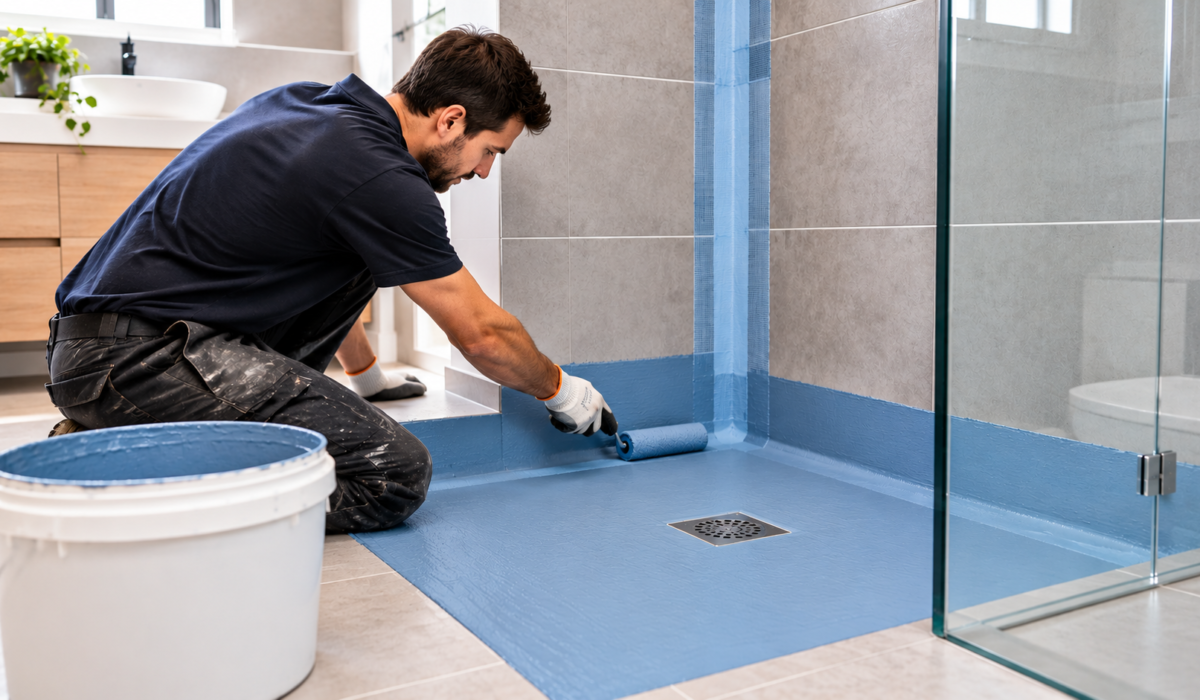
Liquid-Applied Waterproofing Membranes
Liquid membranes are applied to prepared surfaces and cure to form a continuous barrier.
They may be suitable for various bathroom and shower applications when installed according to the approved system.
Sheet Waterproofing Membranes
Sheet membranes are manufactured materials installed over prepared surfaces.
Their performance depends on correct overlaps, seams, corners and penetrations.
Cementitious Waterproofing Systems
Some cement-based systems are used in suitable wet-area applications.
Product suitability depends on the substrate and manufacturer’s specifications.
Which Membrane Is Best?
There is no single product suitable for every bathroom.
The selection depends on the wet-area design, substrate, application location and applicable Australian requirements.
Why Product Compatibility Matters
The membrane must work with the selected primer, adhesive, sealant and other components.
Using a complete compatible system helps reduce installation problems.
Waterproofing Secret 4: Corners and Junctions Need Special Attention
Waterproofing failures can occur at junctions where different surfaces meet.
These areas may experience movement or require changes in the membrane’s direction.
Wall-to-Floor Junctions
The connection between the floor and wall is a critical detail.
It should be treated according to the selected waterproofing system and applicable requirements.
Internal Corners
Internal corners may require reinforcement or specific detailing.
External Corners
External corners can also require special treatment to maintain continuity.
Shower Recess Junctions
Shower recesses are exposed to frequent water.
The membrane system should be continuous across the required surfaces and junctions.
Why Small Gaps Matter
A discontinuity in the waterproofing system can allow moisture to reach the substrate.
Careful detailing is essential.
Waterproofing Secret 5: Shower Drainage Is Just as Important as Waterproofing
Waterproofing and drainage work together.
A waterproof membrane helps protect building materials, while appropriate drainage directs water away from the shower area.
Correct Floor Falls
Shower floors need suitable falls toward the drainage outlet.
Incorrect falls can allow water to pond.
Drain Position
The location of the drain affects floor design and tile installation.
Waterproofing Around Drains
The membrane-to-drain connection is a critical detail.
It must be completed using an appropriate compatible system.
Avoiding Standing Water
Persistent standing water can increase moisture exposure and create maintenance problems.
Drainage Design Matters
Drainage requirements should be considered before screeding, waterproofing and tiling begin.
Waterproofing Secret 6: Never Rush Waterproofing Curing Times
Waterproofing products need time to dry or cure according to their manufacturer’s instructions.
Rushing this stage can compromise performance.
Drying vs Curing
A surface may feel dry before the membrane has reached the condition required for the next stage.
Multiple Coats
Some liquid-applied systems require more than one coat.
Each coat must be applied according to the specified coverage, thickness and recoat conditions.
Temperature and Humidity
Environmental conditions can affect drying and curing.
Applying Tiles Too Early
Installing tiles before the membrane is ready may interfere with the system.
Follow Manufacturer Instructions
The correct curing period depends on the product and site conditions.
There is no universal waiting time suitable for every membrane.
Waterproofing Secret 7: Waterproofing Must Be Applied at the Correct Thickness
A membrane needs to meet the manufacturer’s specified application requirements.
Applying too little material can leave the system below its required dry-film thickness.
Why Thickness Matters
Membrane performance depends partly on achieving the specified coverage and thickness.
More Is Not Always Better
Applying excessive material outside the manufacturer’s requirements can also cause problems.
Consistent Coverage
The membrane should be applied evenly across the required areas.
Multiple Coats
Some systems require separate coats applied in specified directions or sequences.
Professional Quality Checks
Appropriate checks during installation help confirm that the application follows the system requirements.
Waterproofing Secret 8: Pipe Penetrations Are Common Risk Areas
Bathrooms contain numerous penetrations through walls and floors.
Examples include shower fittings, plumbing connections and drainage outlets.
Each penetration creates a location where the waterproofing system needs careful detailing.
Shower Pipe Connections
Waterproofing around plumbing penetrations must be completed using suitable system details.
Tap and Mixer Openings
Openings for fixtures should not create unprotected pathways into the wall assembly.
Floor Waste Connections
The waterproofing system must connect appropriately with the drainage assembly.
Sealing Products
Sealants and collars may form part of the approved system.
Avoiding Improvised Repairs
Applying ordinary silicone around a visible fitting does not necessarily correct a failed concealed waterproofing detail.
Waterproofing Secret 9: Waterproofing Should Be Planned Before Tiling
Waterproofing should be considered during bathroom design rather than treated as an afterthought.
Plan the Shower Layout
Shower dimensions, drainage position and floor levels affect the waterproofing design.
Consider Tile Selection
Tile size and layout influence floor falls, movement joints and installation methods.
Coordinate Plumbing
Plumbing penetrations and drainage details should be finalised before the relevant waterproofing work.
Prepare the Substrate
The surface must be suitable before the membrane is applied.
Follow the Correct Sequence
Waterproofing, screeding and tiling sequences depend on the selected construction system.
The approved design and product requirements should determine the order of work.
Waterproofing Secret 10: Australian Standards and Building Requirements Matter
Bathroom waterproofing in Melbourne should comply with applicable Australian building requirements.
The National Construction Code and relevant Australian Standards establish requirements for wet-area construction.
AS 3740 and Domestic Wet Areas
AS 3740 is an important Australian Standard relating to waterproofing of domestic wet areas.
The applicable edition and referenced requirements should be confirmed for the project.
National Construction Code
The NCC includes requirements relevant to wet-area construction and waterproofing.
Victorian Requirements
Victorian building and plumbing requirements may also apply.
Qualified Trades
Depending on the work involved, relevant registration, licensing or other legal requirements may apply.
Why Compliance Matters
Correct waterproofing is not simply about using a waterproof product.
The overall installation must meet the applicable requirements for the building and wet-area design.
Common Causes of Bathroom Waterproofing Failure
Waterproofing problems can develop for several reasons.
Understanding these causes can help homeowners recognise the importance of correct installation.
Poor Surface Preparation
Contaminated or unsuitable substrates can affect membrane adhesion.
Incorrect Membrane Application
Insufficient coverage, incorrect thickness or missed areas can compromise the barrier.
Inadequate Junction Detailing
Corners and wall-to-floor connections require suitable treatment.
Poor Drain Connections
Incorrect detailing around drainage outlets can allow water penetration.
Premature Tiling
Installing finishes before the membrane has reached the required condition can affect performance.
Movement and Cracking
Building movement may affect tiles, joints and waterproofing systems.
Later Damage
Subsequent work, drilling or fixture installation can damage concealed waterproofing.
Signs Your Bathroom Waterproofing May Be Failing
Waterproofing defects are not always immediately visible.
However, certain warning signs can indicate that moisture is entering areas where it should not.
Persistent Damp Patches
Dampness on adjoining walls or ceilings may indicate a leak.
Peeling Paint
Moisture can contribute to paint deterioration.
Loose or Hollow-Sounding Tiles
Tile problems can have several causes, including moisture-related deterioration.
Mould Growth
Persistent moisture can encourage mould.
Mould alone does not prove that the waterproofing membrane has failed.
Musty Odours
Unusual odours may indicate ongoing dampness.
Swollen Skirting Boards
Moisture can affect timber and other vulnerable materials.
Water Stains Below an Upstairs Bathroom
Stains on the ceiling below a wet area may indicate water leakage.
When to Arrange an Inspection
If you notice persistent moisture problems, seek a suitable professional assessment.
The cause could involve plumbing, drainage, sealant failure, condensation or the waterproofing system.
How to Identify a Shower Leak
A shower leak can originate from different parts of the installation.
It is important to identify the source before attempting repairs.
Plumbing Leaks
Leaks may develop in water supply or drainage connections.
Failed Sealant
Damaged sealant around fixtures or junctions can allow water into areas not designed for exposure.
Tile and Grout Problems
Cracks and damaged joints may contribute to moisture movement.
Waterproofing Defects
A failed membrane or connection can allow water to reach concealed building materials.
Professional Leak Detection
A suitable tradesperson may use inspection, testing and other methods to identify the likely source.
Avoid assuming that every shower leak requires complete bathroom replacement.
Can You Waterproof Over Existing Bathroom Tiles?
Some products are marketed for application over existing tiled surfaces.
However, surface treatments are not automatically equivalent to a compliant concealed waterproofing system.
Surface Sealers
A sealer may improve resistance to moisture penetration in certain materials.
It does not necessarily repair a failed membrane beneath the tiles.
Regrouting
Replacing damaged grout can improve the condition of tiled joints.
However, regrouting alone cannot reliably correct a defective waterproofing system.
Replacing Silicone
Damaged sealant may need replacement as part of maintenance.
This does not address every possible source of leakage.
When Tiles Need Removal
If the concealed waterproofing has failed, removing tiles and reconstructing affected areas may be necessary.
Seek an Accurate Diagnosis
The repair method should address the actual cause rather than simply covering visible symptoms.
How Long Does Bathroom Waterproofing Last?
A properly designed and installed waterproofing system is intended to provide durable protection.
However, there is no universal lifespan that applies to every membrane or bathroom.
Performance depends on several factors.
Product Quality
The selected system must be suitable for the application.
Installation Quality
Surface preparation, detailing and application are critical.
Building Movement
Movement can affect the waterproofing assembly.
Water Exposure
Different areas experience different levels of moisture exposure.
Maintenance
Keeping drainage and visible joints in suitable condition can help reduce avoidable problems.
Renovation Work
Drilling, fixture replacement and other work may damage concealed waterproofing.
Bathroom Waterproofing vs Shower Waterproofing
Bathroom waterproofing and shower waterproofing are closely related, but the required treatment can differ by area.
Shower Areas
Showers experience frequent direct water exposure.
They require waterproofing according to the applicable wet-area design and building requirements.
General Bathroom Floors
Waterproofing requirements depend on the room design and applicable construction rules.
Walls Outside the Shower
Not every bathroom wall is subject to the same waterproofing requirements.
Baths and Other Fixtures
Junctions around baths and other wet-area fixtures may require specific detailing.
Why Design Matters
A compliant waterproofing plan should account for the location and use of each wet area.
How Much Does Bathroom Waterproofing Cost in Melbourne?
Bathroom waterproofing costs depend on the size of the area, substrate condition, system selected and scope of work.
A small shower waterproofing project is different from a complete bathroom renovation.
Area Size
Larger waterproofing areas generally require more materials and labour.
Surface Condition
Damaged substrates may need repair or replacement.
Membrane System
Different products and systems have different installation requirements.
Shower Design
Complex layouts, multiple junctions and unusual drainage details may increase the work.
Existing Bathroom Repairs
Repairing a leaking bathroom may involve demolition, drying, substrate repairs and retiling.
Compliance Requirements
Required inspections, documentation and specialist work may affect the overall project.
Request a Detailed Quote
An accurate quotation should identify preparation, waterproofing, associated tiling and any exclusions.
How to Choose a Bathroom Waterproofing Contractor in Melbourne
Choosing a suitable contractor is one of the most important decisions in a bathroom renovation.
Relevant Qualifications
Confirm that the contractor meets the applicable Victorian requirements for the work.
Experience with Wet Areas
Ask about experience with bathroom and shower waterproofing systems.
Product Selection
The contractor should be able to explain the proposed membrane system.
Surface Preparation
Ask what preparation is included.
Compliance
Discuss applicable NCC, Australian Standard and Victorian requirements.
Written Scope
A quotation should describe the work, materials and exclusions.
Documentation
Ask what installation or compliance documentation will be provided where required.
Bathroom Waterproofing and Tiling: Why They Must Work Together
Waterproofing and tiling are separate but connected parts of a wet-area installation.
A suitable waterproofing membrane helps protect the substrate, while the tile installation provides the finished surface.
Waterproofing Beneath Tiles
The membrane must be compatible with the selected tiling system.
Tile Adhesives
The adhesive should be suitable for the substrate, tiles and waterproofing membrane.
Movement Joints
Appropriate movement joints help accommodate expected movement within the tiled assembly.
Grout Selection
Grout should suit the application and maintenance requirements.
Drainage and Falls
Floor design and tile installation must support the required drainage arrangement.
For suitable Melbourne projects, explore our tiling and waterproofing services.
Waterproofing Tips for Bathroom Renovations
Planning waterproofing early can help avoid unnecessary delays and defects.
Finalise the Bathroom Layout
Determine the shower position, drainage and fixture locations before waterproofing begins.
Choose Compatible Materials
Use materials suitable for the selected waterproofing system.
Inspect the Substrate
Damaged or unsuitable surfaces should be addressed before application.
Coordinate Trades
Plumbing, waterproofing and tiling activities need to be planned in the correct sequence.
Allow Adequate Curing Time
Follow product-specific drying and curing requirements.
Avoid Unnecessary Penetrations
Drilling through waterproofed surfaces can create potential leakage pathways.
Keep Project Records
Retain relevant product details, documentation and warranties.
Everyday Habits That Help Prevent Bathroom Leaks
Even a properly waterproofed bathroom requires maintenance.
Good habits can help identify problems early.
Keep Drains Clear
Blocked drains can cause water to accumulate.
Inspect Visible Sealant
Check for damaged or deteriorating sealant around fixtures and junctions.
Repair Plumbing Leaks Promptly
A dripping or leaking connection should be investigated.
Maintain Ventilation
Suitable ventilation helps manage humidity and condensation.
Check for Persistent Dampness
Unusual moisture outside wet areas should not be ignored.
Avoid Harsh Cleaning Methods
Use cleaning products appropriate for the tiles, grout and fittings.
Arrange Professional Advice When Needed
Persistent leaks require proper diagnosis rather than repeated temporary repairs.
Waterproofing Considerations for Melbourne Homes
Melbourne properties vary in age, construction type and bathroom design.
Different buildings may have different waterproofing challenges.
Older Homes
Older bathrooms may have deteriorated materials or outdated construction details.
Modern Homes
Newer bathrooms still depend on correct installation and compatible materials.
Apartments
Leaks in upper-level bathrooms may affect neighbouring or lower-level areas.
Renovated Bathrooms
The condition of the existing substrate is important when planning a renovation.
Rental Properties
Persistent leaks should be investigated promptly to reduce further damage.
Commercial Wet Areas
Commercial facilities may have different use patterns and regulatory requirements.
Aussie Tradies Group provides a range of property services for suitable projects.
Common Bathroom Waterproofing Mistakes to Avoid
Several mistakes can increase the likelihood of water-related problems.
Assuming Tiles Are Waterproof
Tiles and grout should not replace the required membrane system.
Skipping Surface Preparation
Poor preparation can affect adhesion and durability.
Using Incompatible Products
Not all primers, membranes and adhesives work together.
Ignoring Junctions
Corners and penetrations require suitable detailing.
Applying Too Little Membrane
Insufficient thickness may compromise performance.
Rushing the Curing Process
Products must be ready before the next construction stage.
Incorrect Drainage Falls
Poor drainage can cause water to accumulate.
Covering Existing Leaks
Surface repairs may not address concealed defects.
Choosing Work Based Only on Price
Installation quality and compliance matter as much as the initial quotation.
Why Choose Aussie Tradies Group for Waterproofing in Melbourne?
Aussie Tradies Group assists Melbourne property owners with suitable tiling and waterproofing projects.
We understand that a bathroom renovation involves more than selecting attractive finishes.
Substrate preparation, waterproofing compatibility, drainage and tile installation all contribute to the finished result.
Whether you are planning a bathroom renovation or need to discuss waterproofing work, understanding the project requirements is an important first step.
Explore our tiling and waterproofing services or learn more about Aussie Tradies Group.
Frequently Asked Questions About Waterproofing Secrets
1. What is the most important secret to bathroom waterproofing?
The most important principle is that waterproofing depends on a complete, compatible system installed correctly. Tiles and grout alone are not a substitute for a suitable membrane.
2. Are bathroom tiles waterproof?
Many tiles resist water, but tiled assemblies are not necessarily waterproof because moisture can pass through joints and other openings.
3. What causes shower waterproofing to fail?
Common causes include poor surface preparation, incorrect membrane application, inadequate junction detailing, building movement and later damage.
4. Can waterproofing be applied over existing tiles?
Some surface products can be applied over tiles, but they do not necessarily repair a failed concealed membrane or provide a compliant replacement system.
5. How long should waterproofing dry before tiling?
The required time depends on the membrane product and environmental conditions. Follow the manufacturer’s instructions.
6. Does waterproof grout replace waterproofing?
No. Grout is not a substitute for the required waterproofing system.
7. How do I know if my shower is leaking?
Possible signs include damp walls, water stains, peeling paint, persistent moisture and damaged adjoining materials. Professional diagnosis may be required.
8. Can a leaking shower be repaired without removing tiles?
Some leaks may be caused by plumbing or visible sealant problems. However, concealed membrane failure may require tile removal and reconstruction.
9. Is bathroom waterproofing required in Melbourne?
Wet-area construction must meet applicable building requirements, including relevant NCC provisions and Australian Standards.
10. How much does bathroom waterproofing cost?
Costs depend on area size, preparation, materials, access and the scope of work. A project-specific quotation is the most reliable option.
11. Is waterproofing needed behind shower tiles?
Shower areas require waterproofing according to the applicable wet-area construction requirements and approved system.
12. Can mould indicate waterproofing failure?
Persistent mould may indicate excess moisture, but it can also result from condensation or ventilation problems. The underlying cause should be investigated.
13. What is the best waterproofing membrane for showers?
The best system depends on the shower design, substrate, product compatibility and applicable requirements. No single membrane is best for every project.
14. Should waterproofing be done before tiling?
The waterproofing system must be installed at the appropriate stage of the construction sequence before the relevant finished surfaces are completed.
15. Can waterproofing prevent every bathroom leak?
Correct waterproofing helps protect against moisture penetration, but plumbing leaks, damaged fittings and other defects can still occur.
Final Thoughts: The Real Secrets to Leak-Free Bathrooms and Showers
The most valuable waterproofing secrets are not shortcuts or expensive finishing products.
They involve proper planning, suitable materials, careful preparation and correct installation.
A reliable wet-area waterproofing system depends on the membrane, substrate, junctions, drainage and tiling components working together.
For Melbourne homeowners, understanding these details can help prevent avoidable mistakes during bathroom construction or renovation.
If you notice persistent dampness, loose tiles or unexplained water stains, arrange an appropriate inspection before the damage becomes more extensive.
Addressing the actual source of a leak is more effective than repeatedly covering visible symptoms.