Regrouting Bentleigh
Regrouting Bentleigh: Secrets to Leak-Free Bathrooms and Showers
A clean, well-maintained bathroom makes everyday life more comfortable. However, even beautifully installed tiles can lose their appearance when the grout between them starts cracking, discolouring or deteriorating.
For homeowners in Bentleigh, Melbourne, damaged grout is more than a cosmetic concern. It can allow moisture to move through tile joints, contribute to staining and make bathroom maintenance increasingly difficult.
This is where professional regrouting Bentleigh services can make a difference.
Regrouting involves removing deteriorated grout and replacing it with suitable new material. It can restore the appearance of tiled surfaces, improve the condition of joints and help maintain bathrooms, showers and other wet areas.
However, there is one important distinction: grout is not the primary waterproofing system. Regrouting can repair damaged joints, but it cannot replace a failed waterproofing membrane beneath the tiles.
Understanding this difference is essential when deciding whether your bathroom needs regrouting, waterproofing repairs or a more extensive renovation.
At Aussie Tradies Group, we understand the importance of maintaining tiled surfaces and protecting wet areas from unnecessary moisture damage.
This guide explains everything Bentleigh homeowners should know about bathroom regrouting, shower grout replacement, common grout problems, repair costs and practical maintenance tips.
What Is Bathroom Regrouting?
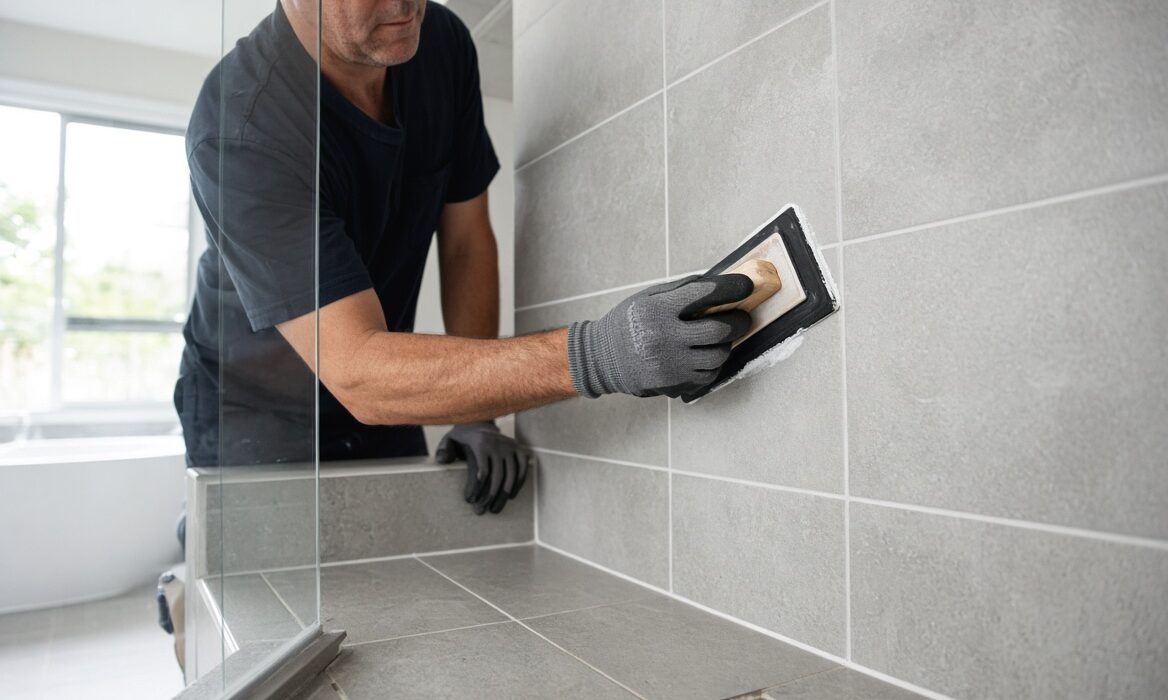
Bathroom regrouting is the process of removing existing grout from the joints between tiles and replacing it with new grout.
Grout fills the spaces between tiles and contributes to the appearance and performance of the tiled surface.
Over time, grout can become stained, cracked, loose or worn.
Regrouting addresses these problems without necessarily replacing the tiles themselves.
How Does Regrouting Work?
The process generally involves:
- Inspecting the existing tiles and grout.
- Identifying damaged or deteriorated joints.
- Removing old grout to a suitable depth.
- Cleaning the joints and preparing the surface.
- Applying compatible new grout.
- Cleaning the tiles and allowing the grout to cure.
The exact method depends on the tile type, joint dimensions and grout product.
Is Regrouting the Same as Retiling?
No.
Regrouting retains the existing tiles where they remain suitable.
Retiling involves removing and replacing tiles, often with additional substrate preparation.
Is Regrouting the Same as Waterproofing?
No.
Bathroom waterproofing generally relies on a membrane or another approved system installed beneath or behind the finished surfaces.
Grout is part of the tiled finish, not a substitute for that concealed waterproofing system.
Why Is Regrouting Important for Bentleigh Bathrooms?
Bathrooms and showers experience regular moisture exposure, temperature changes and cleaning.
These conditions can gradually affect grout joints.
Improving Bathroom Appearance
Old grout may become dark, stained or uneven.
Fresh grout can make an existing tiled surface look cleaner and more consistent.
Repairing Cracked Joints
Cracked grout can leave openings where moisture and dirt collect.
Replacing deteriorated grout helps restore the joints.
Making Cleaning Easier
Damaged grout can trap dirt and soap residue.
Sound grout joints are generally easier to maintain.
Addressing Localised Deterioration
Some bathrooms have isolated areas of damaged grout rather than widespread tile failure.
Targeted regrouting may be appropriate when the underlying tiled assembly remains sound.
Supporting Ongoing Maintenance
Regular inspection and timely repair of damaged joints can form part of responsible bathroom maintenance.
Signs Your Bathroom Needs Regrouting
Not every stained grout line requires replacement.
However, certain conditions suggest that regrouting may be worth considering.
1. Cracked Grout Lines
Cracks may develop because of movement, age, installation problems or deterioration.
Small cracks should be assessed before they spread.
2. Missing Grout
Sections of grout may loosen or fall out over time.
Missing grout leaves visible gaps between tiles.
3. Persistent Discolouration
Grout can become stained by dirt, soap residue, minerals and moisture.
If suitable cleaning does not improve the appearance, replacement may be considered.
4. Crumbling Grout
Grout that breaks apart when touched may have deteriorated.
5. Recurring Mould
Mould may grow on damp grout and adjacent surfaces.
Persistent mould can also indicate ventilation problems, ongoing moisture exposure or concealed leaks.
6. Loose Tiles
Loose tiles require investigation.
Regrouting alone is unlikely to solve a problem involving failed adhesive or damaged substrate.
7. Dampness Outside the Shower
Water stains or damp patches outside the wet area may indicate a leak.
The source should be identified before choosing a repair method.
Shower Regrouting Bentleigh: Why Showers Need Extra Attention
Showers are among the most moisture-exposed areas of a home.
Water regularly contacts the floor, walls, corners and fittings.
This makes suitable grout and joint maintenance especially important.
Shower Floor Grout
Shower floor joints experience frequent wetting, cleaning and foot traffic.
Damaged joints can trap dirt and moisture.
Shower Wall Grout
Wall grout may become stained or cracked over time.
Corners and Changes of Plane
Corners and junctions can experience movement.
These locations may require an appropriate flexible sealant or movement joint rather than ordinary rigid grout.
Around Shower Fixtures
Joints near fittings and penetrations require careful inspection.
Around Shower Drains
Grout deterioration near drains may occur alongside other drainage or waterproofing problems.
If water is escaping the shower assembly, the underlying cause needs to be diagnosed.
Regrouting vs Waterproofing: Understanding the Difference
One of the most important things homeowners should understand is that regrouting and waterproofing solve different problems.
What Regrouting Does
Regrouting restores deteriorated grout joints between tiles.
It can improve the condition and appearance of the tiled surface.
What Waterproofing Does
Waterproofing helps prevent water from reaching moisture-sensitive building materials beneath or behind the finished surface.
Can Regrouting Fix a Leaking Shower?
Sometimes a shower problem may involve damaged surface joints or sealants that can be repaired.
However, regrouting cannot reliably fix a failed concealed waterproofing membrane, leaking pipe or defective drain connection.
When Waterproofing Repairs Are Necessary
If investigation identifies membrane failure, the affected area may require tile removal and reconstruction.
Why Diagnosis Matters
A bathroom leak can have several possible causes.
Repairing grout without identifying the actual source may leave the underlying problem unresolved.
For suitable projects, explore our tiling and waterproofing services.
The Professional Bathroom Regrouting Process
A successful regrouting project begins with assessing the condition of the existing tiled surface.
Step 1: Inspect the Bathroom
The tiles, grout, sealant and visible junctions are inspected.
Any signs of movement, moisture or loose tiles should be considered.
Step 2: Determine Whether Regrouting Is Suitable
If the tiles are stable and the underlying assembly is sound, regrouting may be appropriate.
If extensive damage is present, further repairs may be needed.
Step 3: Remove Existing Grout
The deteriorated grout is carefully removed using suitable tools.
Care is needed to avoid damaging tile edges or concealed waterproofing.
Step 4: Clean the Joints
Dust and loose material are removed.
The joints must be prepared according to the grout manufacturer’s requirements.
Step 5: Select Suitable Grout
The grout should be compatible with the tiles, joint dimensions and wet-area application.
Step 6: Apply New Grout
The material is worked into the prepared joints using the appropriate technique.
Step 7: Clean the Surface
Excess grout is removed according to the product instructions.
Step 8: Allow Proper Curing
The shower or bathroom should not be returned to normal use until the product has reached the required condition.
Step 9: Review the Finished Work
The joints should be checked for suitable coverage and finish.
Types of Grout Used in Bathrooms and Showers
Different grout products offer different characteristics.
The appropriate selection depends on the application.
Cement-Based Grout
Cement-based grout is commonly used for tiled surfaces.
Different formulations are available for different joint sizes and performance requirements.
Epoxy Grout
Epoxy grout can provide high resistance to staining and certain chemicals.
It requires suitable installation techniques and is not necessary for every bathroom.
Flexible Sealants
Flexible sealants are commonly used at suitable movement joints and changes of plane.
They should not be confused with ordinary tile grout.
Which Grout Is Best?
There is no single product that is ideal for every project.
The choice depends on tile type, joint width, movement requirements, maintenance expectations and manufacturer recommendations.
How Much Does Regrouting Cost in Bentleigh?
The cost of regrouting in Bentleigh depends on the area being repaired, the condition of the existing joints and the materials required.
A small localised grout repair generally involves less work than regrouting an entire shower.
Size of the Area
Larger tiled surfaces require more labour and materials.
Existing Grout Condition
Hard-to-remove grout or extensive deterioration can increase preparation time.
Tile Size
Small tiles create more grout joints per square metre than large-format tiles.
Grout Type
Different grout products have different material and installation costs.
Access
Shower screens, fixtures and confined spaces may affect the work.
Additional Repairs
Loose tiles, damaged substrates or failed waterproofing require separate consideration.
How to Get an Accurate Quote
Provide photographs, approximate dimensions and a description of the problems.
A site assessment may be required where water leakage or concealed damage is suspected.
Is Regrouting Cheaper Than Replacing Bathroom Tiles?
Regrouting is often less expensive than full retiling when the existing tiles and underlying assembly are suitable for retention.
Regrouting Keeps Existing Tiles
There is generally less demolition and replacement material.
Retiling Requires More Work
Tile replacement may involve removing old tiles, preparing surfaces and installing new finishes.
Waterproofing Repairs Change the Scope
If the membrane or substrate has failed, regrouting alone may not be appropriate.
Which Option Is Better?
The condition of the existing bathroom should determine the repair method.
Choosing regrouting solely because it is cheaper may not be economical if deeper problems remain.
Can Regrouting Stop Mould in a Shower?
Regrouting can remove deteriorated grout that contains persistent staining or mould contamination.
However, mould can return when moisture conditions remain favourable.
Improve Bathroom Ventilation
Suitable ventilation helps reduce humidity and condensation.
Clean Regularly
Remove soap residue and dirt using appropriate cleaning products.
Address Plumbing Leaks
Persistent moisture from leaking fixtures should be investigated.
Maintain Sealant
Damaged sealant may require replacement.
Investigate Recurring Mould
Mould that returns quickly may indicate an unresolved moisture problem.
How Long Does Bathroom Regrouting Last?
There is no fixed lifespan for bathroom grout.
Durability depends on the product, installation quality, movement, cleaning and moisture exposure.
Grout Quality
Suitable materials help support performance.
Installation
Correct joint preparation and application are essential.
Bathroom Ventilation
Persistent moisture can affect cleanliness and maintenance requirements.
Cleaning Products
Harsh or unsuitable chemicals may damage some grout materials.
Building Movement
Movement can contribute to cracking.
Maintenance
Prompt attention to damaged joints can help prevent deterioration from becoming more extensive.
Can You Regrout a Shower Without Removing Tiles?
Yes, in many situations.
Regrouting is specifically intended to replace grout while retaining suitable existing tiles.
However, the tiles must remain adequately bonded and the underlying assembly should be sound.
When It May Work
Regrouting may be suitable where grout is damaged but the tiles remain stable.
When It May Not Work
Loose tiles, extensive cracking, persistent leakage or substrate damage may require further investigation.
What About Waterproofing?
Removing grout does not repair a failed waterproofing membrane.
Why Professional Assessment Helps
An assessment can help determine whether regrouting is an appropriate repair or only a temporary cosmetic improvement.
Regrouting for Shower Floors
Shower floor regrouting requires careful attention because of frequent water exposure.
Small Tiles and Mosaic Floors
Mosaic tiles have many grout joints and may require detailed preparation.
Drainage Falls
The floor should direct water toward the drain according to the approved design.
Around Floor Wastes
The condition of the drain connection should be considered where leakage is suspected.
Loose Floor Tiles
Loose tiles should be addressed before regrouting.
Appropriate Curing
The shower should remain out of use for the period specified by the grout manufacturer.
Regrouting for Bathroom Walls
Bathroom wall grout can become stained or cracked even where there is no underlying waterproofing failure.
Shower Walls
These areas receive regular direct water exposure.
Walls Near Basins
Splashing and cleaning can affect grout appearance.
Feature Walls
Regrouting may improve the appearance of decorative tile installations.
Wall Corners
Changes of plane may require appropriate movement-joint treatment.
Matching Existing Grout
Colour matching can be difficult when repairing only part of an older tiled surface.
Regrouting for Kitchen and Laundry Tiles
Although bathrooms are the main focus, regrouting can also be relevant to other tiled areas.
Kitchen Splashbacks
Grout may become stained by cooking residue and cleaning products.
Laundry Floors
Laundry areas may experience spills and moisture exposure.
Tiled Utility Areas
Damaged grout can affect appearance and maintenance.
Different Requirements
The materials and methods should suit the specific area rather than assuming every tiled surface has identical needs.
DIY Regrouting vs Professional Regrouting
Some homeowners consider regrouting their bathrooms themselves.
The suitability of DIY work depends on the extent of the damage and the condition of the tiled assembly.
DIY Regrouting
Small cosmetic repairs may be manageable for people with suitable tools and knowledge.
However, removing grout too aggressively can chip tiles or damage concealed materials.
Professional Regrouting
Professional assistance can be valuable for extensive grout replacement, difficult tile surfaces and areas with possible moisture problems.
When Not to Attempt DIY Repairs
Avoid treating regrouting as a simple DIY solution when you notice persistent leaks, loose tiles or significant substrate damage.
Why Proper Preparation Matters
Even high-quality grout may fail prematurely if applied over unsuitable or contaminated joints.
How to Maintain Bathroom Grout After Regrouting
Good maintenance can help keep newly grouted surfaces looking clean.
Allow Full Curing
Follow the product instructions before using the shower or cleaning the joints.
Use Suitable Cleaning Products
Avoid chemicals that may damage the selected grout.
Improve Ventilation
Use suitable ventilation during and after showering.
Remove Soap Residue
Regular cleaning can help prevent buildup.
Inspect Joints
Check for cracking, missing grout and damaged sealant.
Address Leaks Early
Do not ignore persistent dampness or water stains.
Follow Product Guidance
Some grout products may require sealing, while others do not.
Common Regrouting Mistakes to Avoid
Incorrect regrouting methods can affect the finished result.
Applying New Grout Over Loose Old Grout
New grout needs a suitable prepared joint.
Removing Insufficient Grout
Poor preparation may affect adhesion and durability.
Damaging Tile Edges
Aggressive removal methods can chip tiles.
Using the Wrong Grout
The material must suit the tile type and joint dimensions.
Grouting Movement Joints Incorrectly
Certain junctions require flexible movement-joint treatment.
Ignoring Water Leaks
Regrouting does not replace proper leak diagnosis.
Using the Shower Too Soon
Insufficient curing can affect grout performance.
Why Local Regrouting Services Matter in Bentleigh
Bentleigh is an established Melbourne suburb with a mixture of older homes, renovated properties and contemporary residential buildings.
Bathroom conditions can vary considerably between properties.
Older Bathrooms
Older tiled surfaces may show grout deterioration or previous repair work.
Renovated Bathrooms
Recently renovated bathrooms can still develop grout problems due to movement or installation issues.
Rental Properties
Landlords and property managers may need to arrange repairs when grout deteriorates.
Family Bathrooms
Frequently used showers require ongoing cleaning and maintenance.
Apartments and Units
Leaks in shared or multi-level buildings may affect adjoining areas.
For all property types, the repair method should be based on the actual condition of the bathroom.
When Should You Consider Full Bathroom Waterproofing Repairs?
Sometimes regrouting is not enough.
A more extensive repair may be required when the concealed waterproofing system has failed.
Persistent Water Leakage
Repeated water stains or dampness may indicate an underlying problem.
Extensive Loose Tiles
Widespread tile movement can suggest problems with the adhesive or substrate.
Damaged Wall Materials
Swollen or deteriorating materials may require replacement.
Failed Waterproofing Membrane
A confirmed membrane defect may require reconstruction of the affected area.
Major Bathroom Renovations
A complete renovation provides an opportunity to install an appropriate waterproofing system as part of the new construction.
Learn more about our tiling and waterproofing services.
How to Choose a Regrouting Professional in Bentleigh
Before booking regrouting work, ask questions about the proposed service.
Experience with Wet Areas
The contractor should understand the requirements of tiled bathrooms and showers.
Inspection Process
Ask whether the existing tiles and grout will be assessed.
Materials
Confirm which grout and sealant products are proposed.
Preparation
The quotation should explain how old grout will be removed.
Waterproofing Concerns
Ask how suspected leaks or membrane problems will be handled.
Written Quotation
A clear quote should identify the area, materials and exclusions.
Curing Time
Confirm when the shower can safely return to normal use.
Frequently Asked Questions About Regrouting Bentleigh
1. What is bathroom regrouting?
Bathroom regrouting involves removing deteriorated grout from tile joints and replacing it with suitable new grout.
2. How much does regrouting cost in Bentleigh?
The cost depends on the size of the area, grout condition, tile type, preparation and any additional repairs. A project-specific quotation provides the most accurate estimate.
3. Can regrouting stop a leaking shower?
Regrouting can repair damaged grout joints, but it cannot reliably fix a failed waterproofing membrane, plumbing leak or defective drainage connection.
4. Is regrouting cheaper than retiling?
Usually, when existing tiles and the underlying assembly remain suitable for retention.
5. Can you regrout over old grout?
New grout generally requires properly prepared joints. Applying it directly over loose or deteriorated grout is not a reliable repair.
6. How long does shower regrouting take?
The time depends on the tiled area, joint condition and preparation required. Curing time must also be considered.
7. How long should I wait before using the shower?
Follow the specific grout manufacturer’s curing instructions and the contractor’s guidance.
8. Can mouldy grout be replaced?
Yes, deteriorated grout may be removed and replaced. However, the conditions causing persistent mould should also be addressed.
9. Do I need to remove tiles for regrouting?
Usually not, provided the tiles are stable and the underlying assembly is suitable.
10. Is epoxy grout better for showers?
Epoxy grout can offer improved stain resistance in suitable applications, but product selection depends on the tiles, joints and installation requirements.
11. Does regrouting replace waterproofing?
No. Grout is not a substitute for the concealed waterproofing system.
12. Can I regrout my bathroom myself?
Some minor repairs may be suitable for DIY work, but extensive damage or suspected leaks should be professionally assessed.
13. Why does shower grout keep cracking?
Possible causes include movement, unsuitable grout, installation problems or deterioration. The cause should be identified before repeating the repair.
14. Can I change the grout colour?
Yes. Regrouting may provide an opportunity to select a different suitable grout colour.
15. How do I get a regrouting quote in Bentleigh?
Provide photographs, the approximate tiled area and details of any cracking, loose tiles or moisture problems. Confirm the service provider offers regrouting before booking.
Final Thoughts: Is Regrouting Worth It for Bentleigh Bathrooms?
Regrouting can be a practical way to restore the appearance and condition of bathroom and shower tile joints.
For Bentleigh homeowners, it may be an appropriate solution when grout is cracked, missing, stained or deteriorated but the existing tiles and waterproofing system remain sound.
However, regrouting should not be confused with waterproofing repairs.
If water is entering adjoining walls, floors or rooms, the source of the leak must be identified before choosing a repair method.
Understanding the difference between grout maintenance and concealed waterproofing helps homeowners avoid unnecessary work and make better renovation decisions.