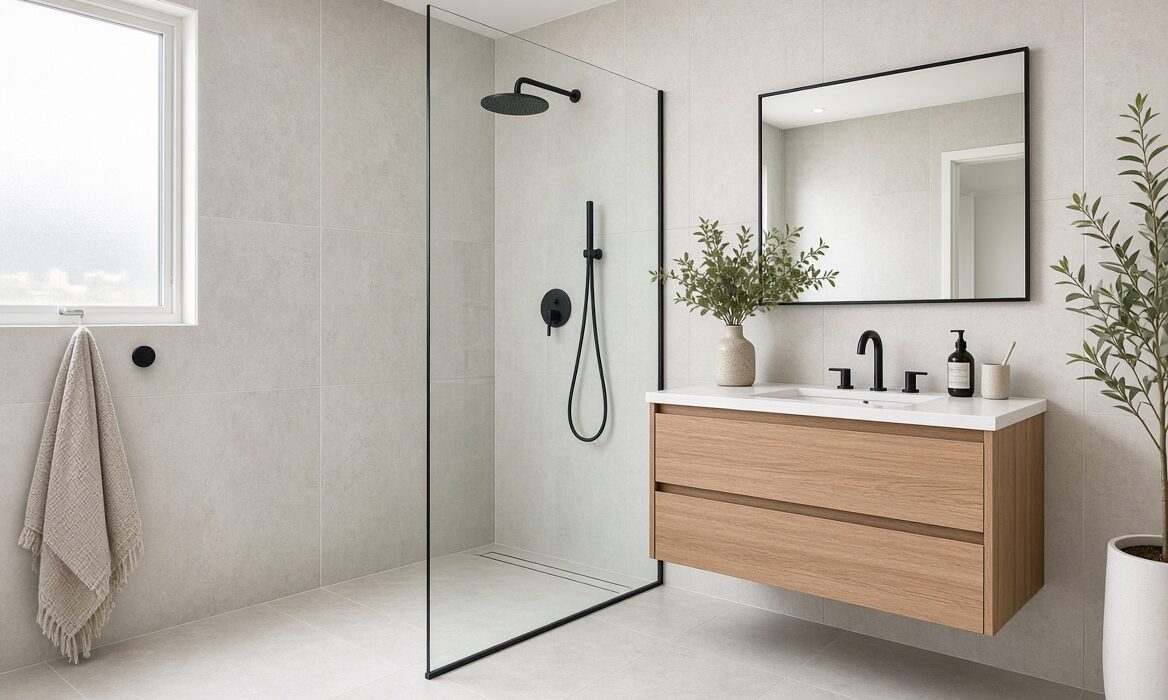
Bathroom Renovation Checklist
Bathroom Renovation Checklist for Melbourne Homeowners
A bathroom is one of the smallest rooms in your home, yet it often carries one of the biggest price tags and the highest risk when something goes wrong. Water, steam, daily use and tight spaces mean every decision matters. If you are planning a bathroom renovation Melbourne households can enjoy for many years, a clear checklist keeps the project calm, on budget and free from expensive surprises.
This guide walks you through the full journey, from your first idea to the final clean. It is written by the team at Aussie Tradies Group, a local business based in Campbellfield that supplies tiling and waterproofing across Melbourne, backed by more than 25 years of practical experience. Whether you are updating a small ensuite or rebuilding a family bathroom from the studs, you will find a practical path to follow.
Quick answer: A bathroom renovation checklist for Melbourne homeowners should cover nine steps in this order: goals and budget, rules and licensed trades, layout and plumbing, product selection, demolition, waterproofing, tiling, fit off and finishing, and a final inspection with a care plan.
Why a Bathroom Renovation in Melbourne Deserves a Proper Plan
Melbourne homes come in every style. You might own a Victorian terrace in Richmond, a brick veneer family home in Doncaster, or a modern townhouse in Bentleigh. Each one has different floor structures, wall materials and plumbing layouts, so no two bathroom renovations in Melbourne are exactly alike. A checklist helps you think through the same key questions every time, no matter what your house looks like.
The weather also plays a part. Melbourne can swing through four seasons in a single day, and that movement causes buildings to shift slightly. Joints and corners in wet areas feel that movement first. When the work underneath the tiles is done properly, the bathroom handles it. When it is rushed, the problems usually show up a year or two later as cracked grout, damp walls or a musty smell.
What Is a Bathroom Renovation Checklist?
A bathroom renovation checklist is a step by step list of decisions and tasks that guides a project from the first idea to the finished room. It helps you set a budget, choose the right trades, order products on time and avoid costly mistakes. The best checklists put waterproofing and preparation before the attractive finishes, because the hidden work decides how long the bathroom lasts.
Step One: Set Your Goals and Your Budget
Every good renovation starts with honest answers to a few simple questions. Before you look at a single tile, decide what you want the room to do for you.
Decide Why You Are Renovating
Some people renovate because the bathroom leaks. Others want more storage, a larger shower or a fresh look before selling the house. Your reason shapes your priorities. A leaking shower means waterproofing comes first. A style update might mean you can keep the existing layout and spend more on tiles and fittings. Write down your top three goals and keep them visible, because they help you make quick decisions when choices become overwhelming.
Build a Realistic Budget for Bathroom Renovations in Melbourne
Cost is the first question most homeowners ask, and the honest answer is that it depends on your project. A simple cosmetic refresh costs far less than a full rebuild with moved plumbing and premium stone. The most useful approach is to list every major cost area and then add a safety margin.
What Affects the Price of a Bathroom Renovation
Several factors push the final figure up or down. These are the main ones to consider:
- The size of the room and the total area of walls and floor to be tiled
- Whether the layout stays the same or the plumbing moves
- The type of tiles, with mosaics and natural stone needing more labour than standard porcelain
- The condition of the walls and floor once old materials are removed
- The quality of the vanity, tapware, shower screen and toilet you choose
- Access to your property and which floor of the house the bathroom is on
Where Homeowners Often Underestimate Costs
People usually remember the tiles and fixtures but forget the smaller items. Waste removal, new exhaust fans, extra electrical points, trims, silicone, delivery fees and repairs to hidden damage all add up. Planning for these from day one removes a lot of stress later.
The Contingency Rule
Set aside an extra amount of at least ten percent of your budget for the unexpected. Old bathrooms often hide rotten sheeting or damaged framing behind the tiles. Finding that issue is not a failure of planning. It is simply part of renovating an older home, and a contingency fund means it will not derail your project.
Step Two: Check the Rules and Choose Licensed Trades
Bathrooms involve plumbing, electrical work and waterproofing, and all three are regulated in Victoria. Getting this step right protects your family, your insurance and the resale value of your home.
Permits and Approvals
Some renovations need a building permit, especially when the work changes structure, drainage or the footprint of the room. A simple like for like update may not need one, but you should always confirm before work begins. Your builder or the Victorian building regulator can explain what applies to your project. If you live in an apartment, you will also need approval from your owners corporation before any work starts.
Why Licensed Trades Matter
Plumbing and electrical work must be completed by licensed professionals, and they should provide certificates when the job is finished. Waterproofing in wet areas must also meet the Australian Standard for waterproofing of domestic wet areas, known as AS 3740. Ask every trade to confirm their licence and insurance in writing. A reputable business will happily provide this information.
Choosing Bathroom Renovators in Melbourne You Can Trust
The right team makes the biggest difference to your experience. When comparing bathroom renovators in Melbourne, look beyond the lowest price and ask these questions:
- Are you licensed and insured for the work you are quoting?
- Who will complete the waterproofing, and is it included in your quote?
- Can I see photos of recent bathrooms you have finished?
- What warranty do you give on the workmanship and the waterproofing?
- How will you communicate with me during the project?
A detailed quote that explains the work, the materials and the timeline is a strong sign of a professional business. Vague quotes with unclear inclusions often lead to disputes later.
Step Three: Plan the Layout and the Plumbing
The layout is the skeleton of your bathroom, and changing it is the single biggest cost driver. Keeping the toilet, shower and basin in their current positions saves a lot of money because the drains and pipes stay where they are.
Think About How You Use the Room
Stand in your bathroom for a few minutes and imagine your morning routine. Where do you reach for towels? Is there enough room to open the vanity doors? Does the door swing into the shower space? Small details like these decide whether a bathroom feels easy or frustrating every single day.
Layout Questions to Answer Early
- Do you want a bath, a larger shower, or both?
- Would a wall hung vanity make the floor feel more open?
- Is there space for a niche in the shower to store bottles?
- Do you need a heated towel rail, and where will the power point sit?
- Is the exhaust fan strong enough for the size of the room?
Ventilation and Lighting
Good ventilation is the quiet hero of every successful bathroom. Steam that cannot escape settles on walls and ceilings, leading to mould and peeling paint. Plan for a quality exhaust fan that vents outside, not into the roof space. Layer your lighting with a bright central light, softer lights near the mirror and a moisture rated fitting in the shower.
Step Four: Choose Your Tiles, Fixtures and Finishes
This is the fun part, but it is also where homeowners can slow a project down. Tiles and fixtures often have long delivery times, and a missing item can stop the whole job.
Choosing Tiles for Your Bathroom
The best tile is the one that suits how the room is used every day. A tile that looks lovely in a showroom might feel slippery under wet feet or be difficult to keep clean. Porcelain is a popular choice because it is strong and absorbs very little water. Ceramic works well on walls. Natural stone gives a premium look but needs sealing and regular care.
Floor Tiles and Slip Resistance
Floors need a surface that grips when wet. Ask your supplier about slip resistance ratings, especially for the shower floor. Smaller tiles follow the slope to the drain more easily, while larger tiles on the walls mean fewer grout lines to clean.
Wall Tiles and Grout Lines
Large format tiles create a sleek look with fewer joints, which makes cleaning easier. Smaller tiles and mosaics add character and suit feature walls or niches. Choose a grout colour carefully, because it changes the overall appearance of the tiled surface.
Order Early and Check Everything
Order your tiles, vanity, tapware, shower screen and toilet before demolition begins. Check every box on delivery for chips, colour differences and missing parts. Add about ten percent extra tiles to cover cuts and future repairs, and keep a few spare tiles stored safely after the job.
Step Five: Demolition and Surface Preparation
Once your products are ready, the old bathroom comes out. Demolition looks dramatic, but a careful team protects the rest of your home and controls dust and noise.
What Happens During Demolition
The team removes the old fixtures, tiles, wall sheeting and sometimes the floor lining. This is when hidden problems are revealed. Rotten timber, rusty pipes and old failed waterproofing are all common in older Melbourne homes. Your builder should show you any problems and explain the best fix before work continues.
Preparing the Surface Properly
Preparation is the stage most homeowners never see, yet it decides how well the final job performs. Walls must be straight, floors must be level and the falls towards the drain must be correct. Uneven surfaces lead to uneven tiles, and rushing this stage is a leading reason why tiles crack or lift months after a renovation.
Step Six: Waterproofing, the Most Important Step
If you remember only one thing from this checklist, remember this. Tiles and grout are not waterproof on their own. Grout is porous and can crack as a house moves, so a proper waterproofing membrane underneath is the real protection for your walls, floor and structure.
Why Bathroom Waterproofing in Melbourne Matters
Bathroom waterproofing in Melbourne protects your home from slow, hidden water damage that spreads inside walls and under floors. It must be applied before any tile is laid, and it must be allowed to cure fully. Skipping this step or doing it poorly is the most expensive mistake a homeowner can make, because the damage is usually discovered only after it has become severe.
Where Waterproofing Is Needed
The Shower Recess
The shower is the most demanding area in your home. Water hits the walls and floor many times a day, and steam carries moisture into surrounding surfaces. The entire shower floor and the walls need a continuous membrane with no gaps.
Corners, Junctions and Penetrations
Leaks usually begin where surfaces meet, such as wall corners, the join between wall and floor, and around taps and pipes. These points move slightly as the house settles. A skilled waterproofer reinforces them with bond breakers and sealing tape so the membrane can flex without splitting.
Curing Time Before Tiling
Every waterproofing product has a required curing time, and it must be respected. Tiling too soon traps moisture and weakens the membrane. A good team confirms the curing time, tests the area where needed and only then begins laying tiles.
Warning Signs of Failed Waterproofing
If you own an older bathroom, watch for these signs, because they often appear well after a leak begins:
- Grout that stays dark, soft or crumbly
- Tiles that sound hollow when gently tapped
- A musty smell in or near the bathroom
- Paint bubbling or peeling on walls behind the shower
- Swollen skirting boards or doors that stick
- Damp patches on ceilings below an upstairs bathroom
If you notice any of these, have the area inspected soon. Early action keeps repairs smaller and cheaper.
Step Seven: Tiling for a Neat and Long Lasting Finish
Once the waterproofing has cured, the tiles go on. Good tiling is mostly about planning and patience, and it is where the room starts to look like the picture in your mind.
What Skilled Tiling Looks Like
A professional tiler plans the layout before the first tile is stuck down. They decide where the pattern starts so cuts at the edges look balanced, and they check that lines run straight in every direction. Details that separate good work from average work include even grout lines, correct adhesive for each tile type, clean edges at corners and trims, and a proper fall to the drain.
Why One Team for Tiling and Waterproofing Helps
When the same business handles tiling and waterproofing in Melbourne, nobody has to guess who is responsible if something goes wrong later. The team that seals the surface also lays the tiles, so the two stages are planned together. You deal with one contact, one quote and one team that stands behind the finished result. You can learn more about this approach on our tiling and waterproofing page.
Grouting and Sealing
After the tiles set, the joints are grouted and the internal corners are finished with flexible silicone. Silicone is used in corners instead of grout because it moves with the building. Allow the grout and silicone to cure before using the shower, as rushing this stage can cause staining and early failure.
Step Eight: Fit Off and Final Finishing
With tiling complete, the bathroom comes back to life. This stage is called fit off, and it is when the plumber and electrician return to install the visible items.
What Happens During Fit Off
The plumber connects the toilet, basin, tapware and shower fittings. The electrician installs lights, the exhaust fan and any heated towel rails. The vanity, mirror, shower screen and accessories are installed last. Painters complete ceilings and any remaining walls, and the team cleans the room thoroughly.
Your Final Inspection Checklist
Before you make your final payment, walk through the bathroom slowly with your builder and check these items:
- Run every tap and shower and confirm the water pressure and temperature
- Check that the shower and floor drains clear water quickly
- Look closely at tile lines, grout and silicone for gaps or marks
- Test the exhaust fan and every light
- Open and close all doors, drawers and the shower screen
- Ask for all plumbing, electrical and waterproofing certificates and warranties
Keep these documents safely, because they are valuable if you ever sell your home or need to make an insurance claim.
How Long Does a Bathroom Renovation in Melbourne Take?
Most full bathroom renovations in Melbourne take between two and six weeks, depending on size and complexity. Tiling and waterproofing alone often take between one and five days, plus the curing time required by the waterproofing product. Delays usually come from late deliveries, hidden damage discovered during demolition or changes to the design after work has started.
A Typical Project Timeline
- Planning, design and product ordering happen before any work begins
- Demolition and rough in plumbing and electrical work come first
- Surface preparation and waterproofing follow, including curing time
- Tiling, grouting and sealing take place once the membrane is ready
- Fit off, painting, cleaning and the final inspection complete the job
Ask your team for a written timeline before starting, and keep a spare bathroom or a plan for showering elsewhere during the work.
Common Bathroom Renovation Mistakes to Avoid
After years of working in homes across Melbourne, certain mistakes appear again and again. Knowing them in advance helps you avoid them.
Choosing the Cheapest Quote
The lowest price often leaves out waterproofing, preparation or proper cleanup. Compare what each quote includes, not just the final number.
Skipping or Rushing Waterproofing
This mistake is expensive and common. Without a proper membrane and curing time, even the most beautiful tiles cannot protect your home.
Ordering Products Too Late
A missing tile or vanity can stop the entire project for weeks. Order early and check everything on delivery.
Ignoring Ventilation
A beautiful bathroom without proper airflow will develop mould quickly. Invest in a quality fan that vents outside.
Changing the Design Mid Project
Late changes cost money and time, especially after waterproofing or tiling has started. Finalise every decision before demolition begins.
How to Care for Your New Bathroom
A little regular care protects your investment and keeps your bathroom looking fresh for many years.
- Allow grout and silicone to fully cure before heavy use
- Clean with a gentle tile cleaner instead of harsh chemicals
- Run the exhaust fan during and after every shower
- Wipe excess water from screens and floors regularly
- Inspect grout and silicone once a year and repair small cracks quickly
- Replace any cracked or loose tile promptly to protect the waterproofing underneath
Areas We Serve Across Melbourne
Aussie Tradies Group is based in Campbellfield and serves homeowners across northern, eastern and south eastern Melbourne. Our team regularly works in suburbs including Toorak, Doncaster, Box Hill, Hampton, Bentleigh, St Kilda and Hawthorn, along with Brighton, Richmond and many more nearby areas. If your suburb is not listed, please contact our team, because we can often help with projects in nearby areas. We also provide tree and stump removal for homeowners who need outdoor areas cleared before tiling.
Frequently Asked Questions About Bathroom Renovation in Melbourne
How much does a bathroom renovation cost in Melbourne?
The cost depends on the size of the room, the layout, the materials and the condition of the existing surfaces. A simple update costs far less than a full rebuild with moved plumbing and premium finishes. The best way to get an accurate figure is to request a detailed written quote after a site inspection.
Do I need waterproofing for a bathroom renovation?
Yes. Tiles and grout are not waterproof on their own, so a waterproofing membrane must be applied in showers, bathrooms and other wet areas before tiling. It protects the walls, floor and structure from hidden moisture and must meet the Australian Standard for domestic wet areas.
Do I need a permit to renovate a bathroom in Victoria?
It depends on the work involved. Changes to structure, drainage or the footprint of the room may require a building permit, while some simple updates may not. Always confirm with your builder or the Victorian building regulator before work begins.
How long does a bathroom renovation take?
Most full renovations take between two and six weeks. Tiling and waterproofing alone often take between one and five days, plus the curing time for the waterproofing product.
Can I tile over existing tiles?
Sometimes, but it is not always wise. The old tiles must be firmly fixed, flat and in good condition, and tiling over them raises the floor height. In wet areas the waterproofing underneath may also be failing, so a professional inspection is the safest first step.
How do I know if my shower is leaking?
Common signs include dark or crumbling grout, hollow sounding tiles, a musty smell, bubbling paint near the shower and damp patches on nearby walls or ceilings. If you notice any of these, arrange an inspection as soon as possible.
What is the best order for a bathroom renovation?
The best order is to set your budget, confirm rules and trades, plan the layout, choose your products, complete demolition and preparation, apply waterproofing, lay tiles, finish with fit off and complete a final inspection.
Ready to Start Your Bathroom Renovation in Melbourne?
A successful bathroom renovation in Melbourne comes down to good planning, honest budgeting, licensed trades and, above all, proper waterproofing before the first tile goes down. Follow this checklist, ask plenty of questions and choose a team that explains every step clearly.
Aussie Tradies Group provides tiling and waterproofing in Melbourne with clear quotes, tidy work sites and one team that stays responsible for the finished result. Call us on 0421 595 305, email info@atgltd.com.au or visit our contact page to request a free quote. You can also browse our full range of services or read more about our team before you decide.