Benefits of Professional Hedge Trimming
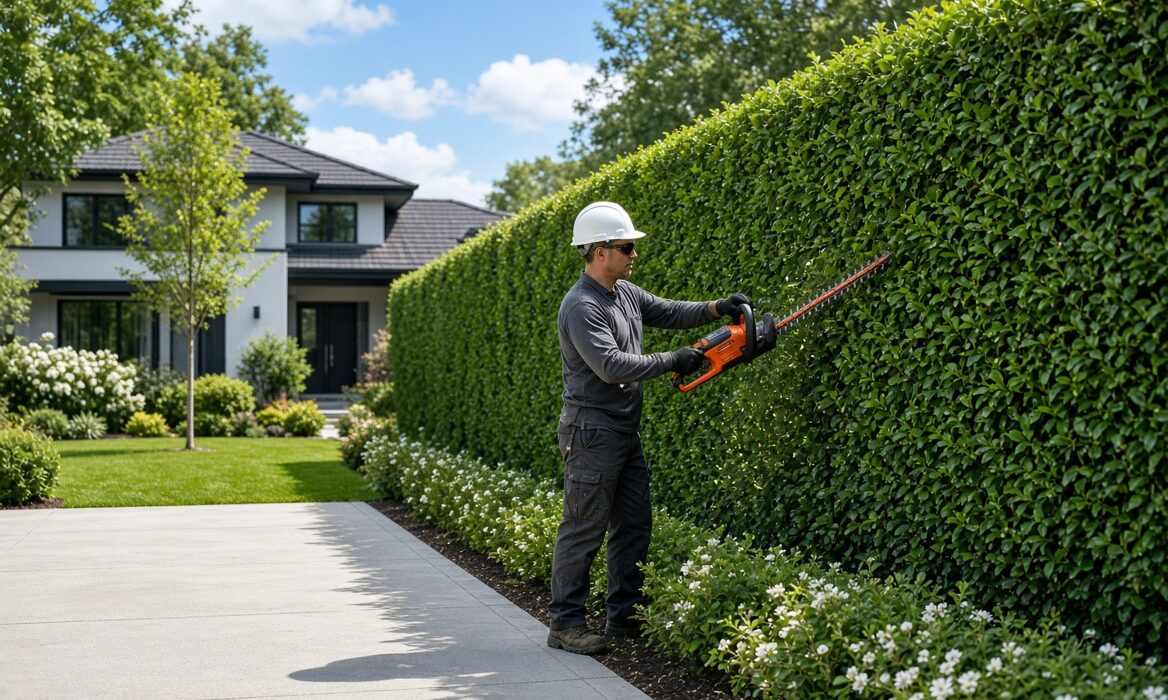
Well maintained hedges make a property look neat, improve privacy, and create a welcoming outdoor environment. However, keeping hedges healthy and attractive requires more than occasionally cutting back overgrown branches. Professional hedge trimming helps maintain the right shape, encourages healthy growth, reduces excessive overgrowth, and keeps gardens looking their best throughout the year. For homeowners and businesses seeking reliable hedge trimming Melbourne services, professional care can make a noticeable difference to the appearance, health, and long term maintenance of outdoor spaces.
Whether you have a small front garden hedge, tall privacy screening, decorative shrubs, or extensive commercial landscaping, regular trimming helps prevent common problems and keeps plants manageable. Understanding the benefits of professional hedge maintenance can help you decide when to arrange a service and how to get the best results from your garden.
1. Improves the Appearance of Your Property
One of the most noticeable benefits of professional hedge trimming is the improvement it brings to your property’s appearance. Overgrown hedges can make gardens look untidy, hide pathways, block windows, and take attention away from other landscaping features.
Professional trimming creates clean lines and an even shape that complements the surrounding garden. An experienced gardener can assess the hedge’s natural growth pattern and choose a suitable shape without removing more foliage than necessary.
A well trimmed hedge can improve the appearance of:
- Front gardens and property entrances
- Driveways and pathways
- Garden boundaries and fences
- Outdoor entertaining areas
- Commercial premises and business entrances
- Landscaped courtyards and shared outdoor spaces
For homeowners preparing to sell or rent a property, neat hedges can also contribute to a positive first impression. For businesses, maintained landscaping helps create a professional environment for customers, visitors, and employees.
2. Encourages Healthier Hedge Growth
Hedges need appropriate maintenance to remain dense, balanced, and healthy. When branches grow excessively, the outer foliage can become crowded, while some inner sections receive less light and airflow.
Professional hedge trimming removes selected growth to help maintain the plant’s structure and encourage suitable new growth. Depending on the plant species, the right trimming technique can support a fuller appearance and reduce the development of weak, uneven sections.
Professional maintenance may help by:
- Removing damaged or dead branches
- Reducing excessive growth
- Encouraging denser foliage in suitable hedge species
- Maintaining a balanced structure
- Improving light penetration into the outer canopy
- Identifying visible signs of plant stress or disease
However, every hedge responds differently to cutting. Some species tolerate frequent trimming, while others require a lighter approach. Professional assessment helps ensure the method suits the plant rather than applying the same cutting technique to every hedge.
3. Keeps Hedges Neat and Under Control
Fast growing hedges can quickly extend over footpaths, driveways, garden beds, and neighbouring boundaries. Without regular maintenance, they may become difficult to manage and require more extensive cutting later.
Routine hedge trimming keeps growth within the available space and reduces the likelihood of branches becoming tangled or difficult to reach.
This is particularly useful for properties with:
- Tall boundary hedges
- Narrow garden paths
- Hedges beside driveways
- Plants near gates and entrances
- Dense screening along fences
- Shrubs growing close to buildings
Regular maintenance also makes future trimming easier because the hedge can be managed gradually instead of being cut back heavily after a long period of neglect.
For effective results, the trimming schedule should reflect the hedge’s growth rate, species, size, and location.
4. Saves Time and Physical Effort
Trimming hedges can be a demanding garden task, especially when plants are tall, wide, dense, or spread across a large property. The work may involve handling cutting equipment, collecting branches, clearing leaves, and reaching difficult sections safely.
Professional hedge trimming allows property owners to avoid much of this physical effort. A service provider can complete the work using appropriate equipment and an organised approach, helping reduce the time required to maintain the garden.
Hiring a professional can be especially helpful when:
- The hedge has grown beyond a manageable height
- Several hedges need attention
- Branches are difficult to reach
- The garden requires precise shaping
- Green waste needs to be collected and removed
- Regular maintenance must fit around a busy schedule
The service scope should be confirmed before work begins, including whether cleanup and green waste removal are included in the price.
5. Helps Maintain Privacy and Natural Screening
Hedges are often planted to provide privacy between neighbouring properties, screen outdoor seating areas, or reduce direct views into windows and gardens.
Poor trimming practices can leave gaps, uneven sections, or excessive bare growth. Professional maintenance helps preserve the hedge’s overall shape and screening function while controlling its size.
For suitable hedge species, careful trimming can encourage dense foliage that creates a more consistent natural barrier. The goal is to maintain the plant’s health while preserving enough growth to provide effective coverage.
This is particularly valuable for:
- Backyard privacy hedges
- Side boundary screening
- Courtyard planting
- Outdoor dining areas
- Garden borders near neighbouring properties
- Landscaping around commercial buildings
The best approach depends on the species and the amount of foliage needed for privacy. Cutting too deeply into older, leafless wood can leave some plants with permanent gaps, so it is important to understand how the hedge responds before reducing its size.
6. Improves Access Around Paths and Driveways
Overgrown hedges can interfere with everyday use of outdoor spaces. Branches may extend across footpaths, obstruct driveway visibility, narrow entrances, or make garden access inconvenient.
Professional hedge trimming helps maintain suitable clearance around frequently used areas. It can also improve the appearance of boundaries and reduce interference with gates, fences, and nearby landscaping.
During maintenance, a professional can identify growth that:
- Projects into pedestrian walkways
- Restricts access to gates and entrances
- Interferes with driveway use
- Encroaches on garden seating areas
- Obstructs visibility around access points
Where hedges are close to roads or vehicle entrances, visibility is particularly important. Trimming should be planned carefully so that branches do not obstruct sightlines.
Hedge maintenance alone does not replace the need to inspect fences, pathways, or other structures that may also affect safe access.
7. Helps Identify Plant Health Problems Early
Regular hedge maintenance creates an opportunity to inspect foliage, stems, and visible growth for signs of potential problems. Although trimming does not prevent every pest or disease, it can help reveal issues that may otherwise go unnoticed.
During a professional visit, visible warning signs may include:
- Discoloured or wilting leaves
- Unusual patches of dead foliage
- Broken or damaged branches
- Uneven growth across the hedge
- Signs of pest activity
- Areas where the hedge appears unusually thin
Recognising these symptoms early can help property owners seek appropriate advice before the problem becomes more extensive.
It is important to note that not every discoloured leaf or bare patch requires pruning. Problems may result from watering conditions, nutrient deficiencies, unsuitable soil, pests, disease, or environmental stress. The cause should be assessed before significant cutting or treatment is undertaken.
8. Reduces the Need for Severe Cutting Later
Allowing a hedge to become excessively overgrown can make it harder to restore its original shape. Heavy cutting may expose bare branches, create uneven sections, and damage plants that do not regenerate well from older wood.
Routine trimming helps control the hedge’s size gradually. This generally makes it easier to preserve the desired shape without removing too much foliage at once.
A consistent maintenance plan can help:
- Control the height and width of the hedge
- Reduce excessive lateral growth
- Maintain a more even outline
- Avoid unnecessary heavy cutting
- Preserve suitable foliage coverage
- Make future maintenance more manageable
Some established hedges can be renovated successfully, but others respond poorly to severe reductions. A professional can assess whether gradual trimming, selective pruning, or a more substantial renovation is appropriate.
9. Supports Safer Hedge Maintenance
Hedge trimming can involve sharp blades, powered equipment, ladders, and heavy branches. The risks increase when hedges are tall, located near driveways, or positioned close to buildings and overhead services.
Professional hedge trimming reduces the need for property owners to undertake difficult cutting themselves. Trained workers can select equipment appropriate to the job and plan how to access different sections of the hedge.
Professional maintenance is particularly worth considering for tall or dense hedges that cannot be reached safely from ground level.
Safety planning may involve:
- Assessing the hedge’s height and condition
- Selecting suitable cutting equipment
- Keeping people away from the work area
- Checking for nearby obstacles and services
- Managing cut branches carefully
- Using appropriate protective equipment
Ladders and powered cutting tools should never be used carelessly. If branches are close to electrical wires or other overhead services, stop work and contact the relevant qualified service provider rather than attempting to cut them yourself.
10. Enhances Commercial Property Presentation
Businesses, offices, retail premises, rental properties, and other commercial sites benefit from consistent landscaping maintenance. Untidy hedges can make entrances appear neglected, while neatly maintained greenery can create a more organised and welcoming environment.
Professional hedge trimming Melbourne services can help businesses maintain the outdoor areas that customers and visitors see first.
Commercial hedge maintenance may include:
- Trimming entrance hedges
- Maintaining garden boundaries
- Shaping shrubs around signage
- Clearing growth near pathways
- Managing screening around outdoor areas
- Scheduling recurring garden maintenance
For larger sites, a planned maintenance schedule helps keep landscaping consistent instead of waiting until hedges become heavily overgrown.
Businesses should discuss access requirements, operating hours, cleanup arrangements, and the frequency of service before scheduling work.
11. Can Improve Property Appeal and Presentation
A tidy garden contributes to the overall presentation of a property. Although hedge trimming alone cannot guarantee an increase in market value, well maintained landscaping can make a property appear cared for and more inviting.
For homeowners, this may be useful when preparing for inspections, photography, open homes, or everyday enjoyment of the garden. Landlords and property managers may also use routine hedge maintenance to keep outdoor areas presentable between tenancies.
The visual benefit is often greatest when hedge trimming is combined with other basic garden tasks, such as lawn maintenance, weed control, pruning suitable shrubs, and clearing garden waste.
The aim is not necessarily to create a perfectly formal garden. Instead, the maintenance should complement the property and suit the style of the existing landscaping.
12. Helps Protect Nearby Plants and Garden Features
Uncontrolled hedge growth can crowd nearby plants, extend into garden beds, and cover decorative features. In some situations, dense growth may compete with surrounding vegetation for light and growing space.
Careful trimming can help maintain appropriate boundaries between plants and keep garden features visible.
Professional maintenance can be useful where hedges grow near:
- Flower beds and ornamental shrubs
- Garden walls and fences
- Decorative paving
- Outdoor seating areas
- Irrigation equipment
- Signs and garden structures
However, trimming should be planned with the surrounding garden in mind. Removing too much foliage at once may expose plants to conditions they are not accustomed to, while careless cutting can damage nearby vegetation.
A considered approach helps keep the hedge in proportion with the rest of the landscape.
How Often Should Hedges Be Trimmed in Melbourne?
The ideal trimming frequency depends on the plant species, growth rate, desired shape, weather conditions, and time of year. Melbourne’s changing seasons also influence how quickly different hedges grow.
Some fast growing hedges may need several trims during the growing season, while slower growing varieties may require much less frequent attention.
| Hedge type or situation | General maintenance guidance |
|---|---|
| Fast growing formal hedges | Inspect regularly and trim as growth requires |
| Slow growing hedges | Trim less frequently according to growth |
| Decorative shaped hedges | Use periodic light trimming to maintain the design |
| Privacy screening hedges | Maintain density while controlling height and width |
| Newly planted hedges | Follow species-specific establishment and pruning advice |
| Neglected or overgrown hedges | Assess plant health before undertaking major reductions |
These are general guidelines rather than a fixed schedule. Different species can have very different pruning requirements, and some plants should not be cut heavily during particular stages of growth.
Seasonal Considerations for Hedge Trimming
The best time to trim depends on the hedge species and its flowering or growth cycle.
Spring: Many hedges begin producing fresh growth. Light trimming may help manage new growth, but flowering plants should be assessed before cutting.
Summer: Fast growing hedges may need maintenance to keep their shape. Avoid unnecessary heavy cutting during extreme heat or when plants are stressed by dry conditions.
Autumn: Some hedges benefit from a tidy-up before cooler weather, depending on their species and growth pattern.
Winter: Growth may slow for many plants, making this a suitable period for certain maintenance tasks. However, pruning requirements differ, and some flowering hedges should be trimmed at other times to avoid removing future blooms.
Before scheduling extensive work, check the requirements of the particular hedge species. A suitable schedule helps maintain appearance without unnecessarily stressing the plants.
Professional Hedge Trimming vs DIY Hedge Trimming
Some small hedges can be maintained by homeowners with basic gardening tools. However, larger or more complicated hedges may require specialist equipment, experience, and additional safety precautions.
| Consideration | DIY hedge trimming | Professional hedge trimming |
|---|---|---|
| Equipment | Requires suitable tools and maintenance | Service provider supplies appropriate equipment |
| Time | Depends on experience and hedge size | Work is planned around the job’s requirements |
| Shaping | Results depend on individual skill | Experienced cutting can provide a more consistent shape |
| Safety | Homeowner manages the risks | Professional service includes job-specific safety planning |
| Cleanup | Owner handles clippings and waste | Cleanup may be available depending on the service |
| Ongoing care | Owner monitors growth and schedules work | Recurring maintenance may be arranged |
DIY trimming may be sufficient for short, accessible hedges that need only minor maintenance. Professional assistance is generally more practical for tall hedges, extensive boundaries, difficult access, or work requiring precise shaping.
When comparing providers, ask what equipment they use, whether green waste removal is included, and whether the quoted price covers the full length and height of the hedge.
What Affects the Cost of Hedge Trimming in Melbourne?
The cost of professional hedge trimming varies according to the size and condition of the hedge, the time required, and the complexity of the work. A small, accessible garden hedge will usually involve different requirements from a tall boundary hedge that has not been maintained for several years.
Factors that can affect the price include:
Hedge height and length: Larger hedges require more time and may need specialised equipment.
Plant density: Thick, mature growth can take longer to trim than light seasonal growth.
Accessibility: Hedges behind structures or in restricted areas may be more difficult to reach.
Current condition: Overgrown hedges may need more extensive work than regularly maintained plants.
Shaping requirements: Formal designs and precise shaping may require additional attention.
Green waste removal: Collection, transport, and disposal of clippings may affect the overall quote.
Service frequency: Regular maintenance may be easier to plan than occasional heavy trimming, although pricing depends on the provider and scope of work.
To receive an accurate quote, provide clear details about the hedge’s approximate height, length, location, and current condition. Photos can also help a service provider understand the job before arranging an inspection.
How to Choose a Hedge Trimming Service in Melbourne
Choosing the right service provider helps ensure the work suits your garden and the condition of your hedges. Price matters, but it should not be the only consideration.
Before booking a service, consider the following points.
Check Relevant Experience
Ask whether the provider has experience with your type of hedge and the level of trimming required. Formal hedges, native plants, privacy screens, and mature shrubs may require different techniques.
Request a Clear Quote
A quote should explain the expected scope of work, including trimming, shaping, cleanup, and any additional charges. Confirm whether green waste removal is included.
Discuss Plant Health and Timing
A reliable provider should consider the hedge species, seasonal requirements, and the extent of cutting needed. Avoid assuming every hedge can tolerate the same treatment.
Ask About Safety
For tall hedges or properties with difficult access, ask how the work will be carried out safely and whether appropriate equipment is available.
Consider Regular Maintenance
If the hedge grows quickly, ask whether recurring appointments are available. Scheduled maintenance may help prevent excessive growth and keep the garden looking consistent.
Review Communication and Reliability
Clear communication about arrival times, access, pricing, and cleanup helps make the service easier to organise.
Common Hedge Trimming Mistakes to Avoid
Incorrect trimming can affect the hedge’s appearance and, in some cases, its health. Understanding common mistakes can help you maintain a better-looking garden.
Cutting Too Much at Once
Removing too much foliage can expose bare sections and stress plants. This is particularly problematic for species that do not regenerate well from old wood.
Trimming at the Wrong Time
Pruning during an unsuitable period may interfere with flowering or expose sensitive plants to unnecessary stress. Timing should reflect the plant’s growth cycle.
Making the Top Wider Than the Base
For many formal hedges, a slightly tapered profile allows sunlight to reach lower foliage. If the upper section becomes too wide, the lower portion may become thin or bare.
Ignoring Damaged Branches
Broken, dead, or diseased-looking branches should not be overlooked. Their condition may indicate a problem that requires assessment beyond routine shaping.
Leaving Clippings Behind
Hedge clippings can make pathways untidy and may smother smaller plants if left in unsuitable places. Confirm the cleanup arrangements before the work begins.
Using Unsuitable Equipment
Blunt or inappropriate tools can produce poor cuts and make the job harder. Equipment should be selected according to the hedge’s size, density, and accessibility.
Avoiding these mistakes helps maintain a healthier and more attractive hedge over time.
Frequently Asked Questions About Hedge Trimming Melbourne
What are the main benefits of professional hedge trimming?
Professional hedge trimming helps maintain an attractive garden, control excessive growth, support suitable plant health, preserve privacy screening, improve access, and reduce the physical effort involved in garden maintenance.
How often should I arrange hedge trimming?
The frequency depends on the hedge species, growth rate, desired appearance, and season. Fast growing varieties may require several trims during active growth, while slower growing plants may need less frequent maintenance.
Is professional hedge trimming worth the cost?
It can be worthwhile when hedges are tall, overgrown, difficult to access, or require precise shaping. Professional assistance can also save time and reduce the need for homeowners to use potentially hazardous equipment.
Can hedge trimming make a hedge grow thicker?
Appropriate trimming can encourage branching and denser growth in many hedge species. However, results depend on the plant’s natural growth habits, health, and the pruning method used.
When is the best time to trim hedges in Melbourne?
There is no single ideal time for every hedge. The best timing depends on the species, flowering cycle, growth pattern, and weather conditions. Species-specific advice is recommended before major pruning.
Does hedge trimming include green waste removal?
This depends on the service provider and the agreed scope of work. Confirm whether the quote includes collecting, removing, and disposing of branches and clippings.
Can professional hedge trimming help with overgrown hedges?
Yes, many overgrown hedges can be brought back under control through careful trimming. However, the appropriate method depends on the plant species and the extent of overgrowth. Some hedges cannot tolerate severe cutting, so an assessment is advisable.
How much does hedge trimming cost in Melbourne?
Pricing depends on hedge height, length, density, access, shaping requirements, and waste removal. Request a quote based on the actual hedge and the work required for an accurate estimate.
Should I trim a hedge myself or hire a professional?
DIY trimming may suit small, accessible hedges requiring light maintenance. A professional service is often preferable for tall, dense, extensive, or difficult-to-reach hedges, especially where specialised equipment is needed.
Maintain a Neat Garden with Professional Hedge Trimming
Regular hedge maintenance is an important part of keeping outdoor spaces attractive, functional, and manageable. From improving street appeal and preserving privacy to controlling overgrowth and supporting healthy plant development, the benefits extend beyond appearance alone.
The right trimming schedule depends on your hedge’s species, size, growth pattern, and condition. By arranging suitable maintenance and avoiding excessive cutting, you can help your hedges remain an attractive feature of your property throughout the year.
If your hedges are becoming overgrown or your garden needs a professional tidy-up, consider arranging hedge trimming Melbourne services to assess the work required. Discuss the hedge’s condition, preferred shape, maintenance frequency, and green waste removal before booking so you can choose a service that suits your property and garden needs.