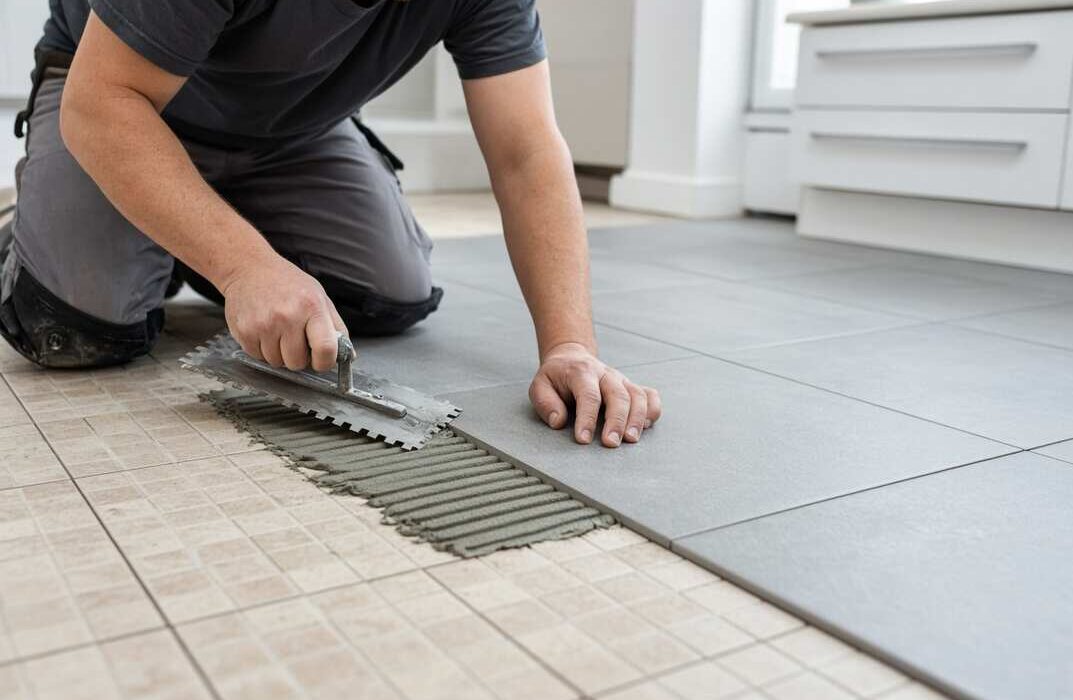
Can You Install New Tiles Over Existing Tiles?
Yes, you can install new tiles over existing tiles in the right conditions. This method is sometimes used to update a space without the full mess and cost of removing the old tiles. However, it is not a suitable solution for every situation. The success of the job depends almost entirely on the condition of the existing tiles and the surface beneath them.
Here is a practical guide to help you understand when tiling over tiles works and when it does not.
When It Is Possible
You can usually tile over existing tiles if all of the following conditions are met:
- Every existing tile is firmly bonded with no loose, hollow, or drummy sections
- The surface is relatively flat and level
- There are no widespread cracks or signs of movement
- The area is dry with no moisture problems or water damage
- The extra height will not cause issues with doors, transitions, or fixtures
- The wall or floor structure can safely carry the added weight
When these conditions are in place, the old tiles can act as a solid base for the new installation.
When You Should Not Tile Over Existing Tiles
Avoid tiling over old tiles if:
- Any tiles are loose, hollow, or lifting
- There are cracks running through multiple tiles
- Moisture, dampness, or mould is present
- The floor or wall is uneven or has significant lippage
- The area is a wet zone such as a shower, where waterproofing needs to be inspected and potentially replaced
- Adding height would create problems with door clearances or adjoining floors
Covering a failing surface only hides the problem temporarily and often leads to the new tiles failing later.
Important Considerations
Height increase
A new layer of tiles and adhesive typically adds 10 to 20 mm of height. This can affect door swings, transitions between rooms, and fixed fixtures such as cabinets or toilets.
Weight
Two layers of tile add significant load. Floors are generally more suitable than walls, and older structures may need assessment before proceeding.
Surface preparation
Even when the old tiles are sound, the surface must be thoroughly cleaned, degreased, and often abraded or primed so the new adhesive can bond properly. Glazed or very smooth tiles usually need special preparation.
Wet areas
In bathrooms and showers, professionals often recommend removing the old tiles so the waterproofing membrane can be checked and renewed if needed. Tiling over old tiles in wet areas can trap moisture and create long term problems.
Pros of Tiling Over Existing Tiles
- Less dust, noise, and mess
- Faster installation
- Lower labour and disposal costs
- Less disruption to the rest of the home
Cons of Tiling Over Existing Tiles
- Added floor or wall height
- Extra weight on the structure
- Risk of failure if the original tiles are not perfectly sound
- Limited ability to inspect or repair the substrate underneath
Final Thoughts
Tiling over existing tiles can be a practical and cost effective option when the old surface is solid, flat, dry, and well bonded. In many other cases, especially in bathrooms or where the existing tiles show any signs of failure, full removal is the safer long term choice.
If you are planning a tiling project and want expert advice on whether to tile over the existing surface or start fresh, the team at Aussie Tradies Group can help. Visit https://atgltd.com.au/ to get in touch and arrange a consultation.