What Is the Best Way to Clean Tiles?
tiles bring timeless beauty and lasting value to homes and commercial spaces. Marble, granite, travertine, limestone, slate and sandstone each offer unique colours, textures and patterns that manufactured tiles cannot fully replicate. Yet these materials are also porous and sensitive. Using the wrong cleaners or methods can dull the surface, etch the , leave stains or cause long term damage.
At Aussie Tradies Group we work with floors and walls across many Australian properties. Our experience shows that the best cleaning approach is gentle, consistent and matched to the specific type. Visit https://atgltd.com.au/ to learn how our team can help maintain or restore your surfaces.
This guide explains the safest and most effective ways to clean tiles, the products and tools to use or avoid, and the habits that keep looking its best for years.
Understand Your First
Not all is the same. Granite is relatively hard and dense. Marble and limestone are softer and more reactive to acids. Travertine has pits and holes that can trap dirt. can be more absorbent depending on the variety. Sandstone varies widely in hardness and porosity.
Before cleaning, identify the type if possible. A simple water test helps. Place a few drops of water on the surface. If the water beads, the is well sealed. If it darkens or soaks in quickly, the is more porous and needs careful treatment and possibly resealing.
Always test any cleaner in a small, hidden area first. Wait several hours to check for colour change, etching or residue before cleaning the full surface.
Daily and Routine Cleaning
The best way to keep clean is regular, light maintenance rather than occasional deep cleaning. Sweep or vacuum soft particles daily or as needed. Use a soft brush attachment or a microfibre dust mop to avoid scratching.
For regular washing, use warm water and a small amount of pH neutral cleaner or a mild dish soap specifically labelled safe for . Avoid everyday household detergents that may contain acids, alkalis or surfactants that leave a film.
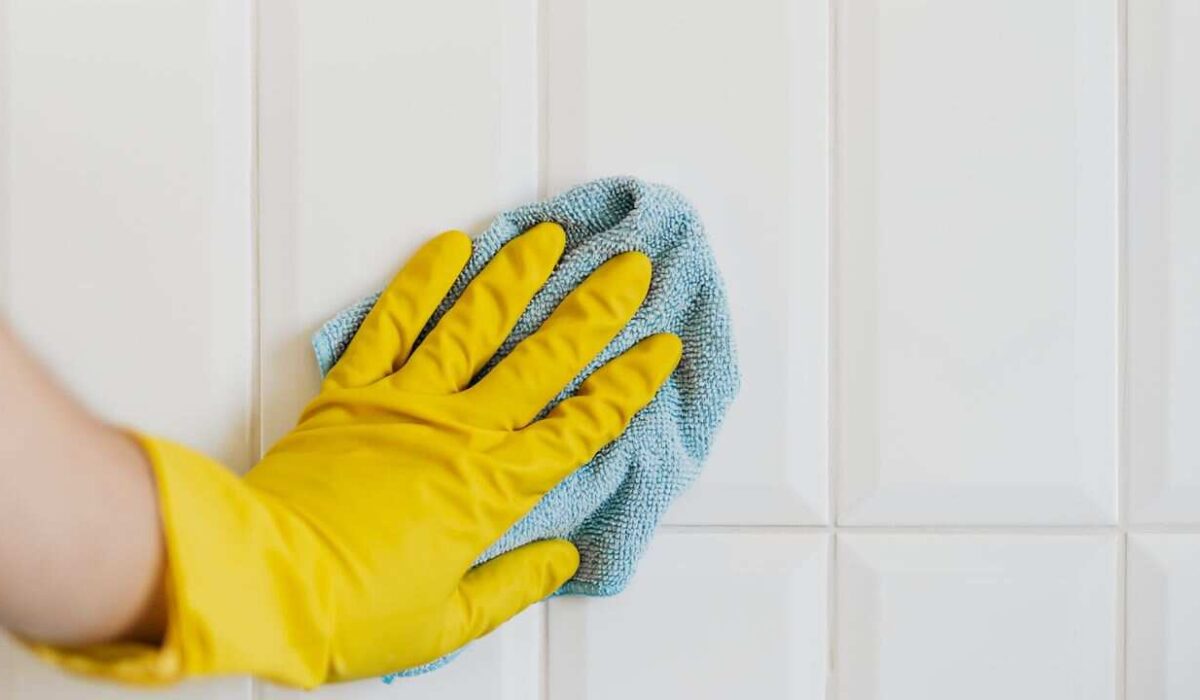
Mix the cleaner according to the product instructions. Apply with a soft mop or cloth, working in small sections. Rinse thoroughly with clean water to remove any residue. Dry the surface with a soft towel or microfibre cloth to prevent water spots, especially on polished marble or granite.
In high traffic areas, clean more frequently. In bathrooms and kitchens, wipe up spills immediately. Acidic liquids such as lemon juice, vinegar, wine, soft drinks and some cleaning products can etch marble and limestone within minutes.
Deep Cleaning When Needed
Even with good daily care, tiles eventually need a deeper clean. Start by removing surface dirt with a soft broom or vacuum. Then apply a pH neutral cleaner designed for the specific material.
For textured or honed surfaces, a soft nylon brush can help lift dirt from pores and pits. Work the cleaner gently into the surface, then rinse well and dry.
Stubborn dirt or light staining may respond to a specific poultice. A poultice is a paste made from absorbent material mixed with a suitable cleaning agent. It is applied to the stain, covered, and left to draw the stain out over time. Different stains require different poultice formulations. Oil based stains, organic stains and metal stains each need appropriate treatment. Follow product guidelines carefully or seek professional advice for valuable surfaces.
Never use abrasive scrubbers, steel wool or harsh scouring powders on . These can scratch polished surfaces and open pores on honed finishes.
What to Avoid Completely
Certain common cleaners cause serious damage to .
Vinegar, lemon juice, citric acid and other acidic products etch calcium based s such as marble, limestone and travertine. The surface becomes dull and rough where the acid has reacted with the .
Bleach, ammonia and strong alkaline cleaners can discolor some s and damage sealers.
Generic multipurpose cleaners often leave residues that attract more dirt or create a hazy film.
Steam cleaners can force moisture deep into the and substrate, potentially causing problems later, especially if the is not well sealed.
Abrasive powders and scouring pads scratch the surface and remove the polished finish.
Sealing for Easier Cleaning and Protection
Most tiles benefit from a quality impregnating sealer. Sealers reduce absorbency so that spills sit on the surface longer and are easier to wipe away. They do not make the completely stain proof, but they greatly improve resistance.
Apply sealer according to the manufacturer instructions, usually after a thorough clean and when the is completely dry. Reapply as recommended, often every one to three years depending on traffic and type. A simple water drop test tells you when resealing is due.
Proper sealing makes routine cleaning far more effective and reduces the chance of permanent staining.
Special Considerations for Different Areas
In wet areas such as showers and bathrooms, rinse surfaces after use and keep ventilation good to limit soap scum and mineral deposits. Use a squeegee on walls after showering. Clean regularly with a pH neutral cleaner to prevent buildup.
Outdoor needs attention to organic growth such as moss or algae. Use a safe outdoor cleaner and a soft brush. Avoid high pressure washing at close range, as it can damage softer s and force water into the substrate.
Kitchen floors and benchtops face frequent spills. Wipe promptly and use trivets or mats under acidic foods and drinks.
Tools and Materials That Work Best
Soft microfibre cloths and mops are ideal. They clean effectively without scratching and leave little lint.
pH neutral cleaners from reputable brands formulated for give the safest results.
A soft nylon brush helps with textured surfaces.
Clean water for rinsing is essential. Residue left behind can cause streaking or attract dirt.
For drying, soft absorbent towels prevent water marks on polished .
When to Call Professionals
Some situations benefit from expert help. Heavy staining, etching, dull or scratched surfaces, or large commercial areas often need specialised equipment and products. Professionals can also assess sealer condition, perform restorative polishing or honing, and apply high performance sealers.
At Aussie Tradies Group our team understands the care requirements of different s used in Australian homes. We provide cleaning advice, restoration services and ongoing maintenance support so your surfaces stay beautiful and protected. Visit https://atgltd.com.au/ to discuss your care needs.
Building Good Habits
The best long term results come from consistent habits. Sweep or dust regularly. Clean spills at once. Use only safe products. Reseal when needed. Avoid acidic or abrasive cleaners. These simple practices protect the investment you made in and keep the surfaces looking their best.
rewards careful treatment with decades of service and enduring visual appeal. Treating it with the right methods preserves both its appearance and its structural integrity.
Final Thoughts
The best way to clean tiles is regular gentle cleaning with pH neutral products, prompt spill management, proper sealing and the complete avoidance of acids, abrasives and harsh chemicals. Matching the method to the specific type and testing products first prevents costly mistakes.
When you follow these principles, remains an elegant and durable feature of your home or business. For professional cleaning, restoration or advice tailored to your surfaces, contact Aussie Tradies Group. Our experienced tradies deliver practical results that respect the material and enhance the space. Find us at https://atgltd.com.au/.