Tile Regrouting
Tile Regrouting: When Should You Regrout?
Grout is the quiet worker in every tiled room. It fills the gaps between tiles, locks them in place and helps keep water from reaching the surface beneath. Yet it is also the first part of a tiled surface to show its age. Cracks appear, colour fades, mould sets in and sections crumble away. When that happens, many homeowners wonder whether tile regrouting is enough, or whether the problem runs deeper.
This guide explains when you should regrout, how the process works, what it costs in time and effort, and when regrouting is not the right fix. It is written by the team at Aussie Tradies Group, a local business based in Campbellfield that supplies tiling and waterproofing across Melbourne, backed by more than 25 years of practical experience. We repair and regrout tiled bathrooms, kitchens and laundries every week, so the advice here comes from real work on real sites.
Quick answer: You should consider tile regrouting when grout is cracked, crumbling, missing, deeply stained or growing mould that returns after cleaning. Regrouting removes the old grout and replaces it with new grout, which restores the look of the tiles and helps block water. It does not repair a failed waterproofing layer, so persistent damp, loose tiles or leaks need a professional inspection.
What Is Tile Regrouting?
Tile regrouting is the process of removing old, damaged grout from between tiles and filling the joints with fresh grout. It is different from cleaning grout or painting over it. A proper regrout takes out the failing material, prepares the joint and replaces it so the new grout bonds well and lasts.
Regrouting can transform the appearance of a tired bathroom without the cost of a full renovation. Fresh, clean joints make old tiles look newer, and they help protect the surface beneath from moisture.
What Does Grout Actually Do?
Grout has three main jobs. It fills the space between tiles so edges are protected from chipping. It holds tiles in position and spreads movement across the surface. It also limits how much water and dirt can enter the joints. Grout is porous, though, so it is not waterproof on its own. A proper waterproofing layer under the tiles is what truly protects your walls and floor.
Signs You Need Tile Regrouting
Grout rarely fails overnight. It sends clear signals long before the damage becomes serious. The table below gives a quick summary of the most common signs.
| Sign | What it may mean |
|---|---|
| Cracked grout lines | Building movement or age |
| Crumbling or powdery grout | Grout is breaking down and losing strength |
| Missing grout | Gaps that let water reach the surface beneath |
| Deep stains that will not clean | Grout has absorbed dirt, soap or moisture |
| Mould that keeps returning | Moisture is staying in the joints |
| Grout colour that has faded or changed | Age, cleaning products or water exposure |
Cracked Grout
Hairline cracks are common as a house moves and temperatures change. A few small cracks may be minor, but long cracks or cracks that widen over time allow water into the joint. They are a strong reason to regrout.
Crumbling or Missing Grout
If grout turns soft, powdery or falls out in pieces, it has lost its strength. Gaps in the joints expose tile edges and give water a direct path to the surface beneath.
Stained or Discoloured Grout
Some staining can be cleaned with a gentle tile cleaner. Grout that stays dark, grey or yellow after thorough cleaning has often absorbed dirt and moisture deep into its structure. Regrouting is usually the best way to restore a fresh, even colour.
Mould That Keeps Returning
Surface mould in a bathroom is common, and it often clears with cleaning and better ventilation. Mould that returns quickly, or grows in grout that stays damp, suggests moisture is trapped in the joints. Regrouting can help, but you should also check ventilation and the condition of the waterproofing.
How Often Should You Regrout?
There is no single schedule, because grout life depends on the product, the quality of the original work, how much water the area sees and how much the building moves. Showers and bathroom floors wear faster than kitchen splashbacks or dry wall areas.
Check Your Grout Once a Year
A simple yearly inspection catches problems early. Look closely at the grout lines in the shower, around the bath and along the floor. Press gently on any grout that looks suspect. If it feels soft or crumbles, it is time to act.
Typical Grout Lifespan
Well installed grout can last many years. In high moisture areas such as showers, it often needs renewing sooner than grout in dry areas. Regular care extends its life, and early repairs prevent bigger problems.
Regrouting or Retiling: Which Do You Need?
Regrouting suits tiles that are sound, firmly fixed and in good condition. If the tiles themselves are cracked, loose or lifting, or if water has damaged the surface beneath, regrouting alone will not solve the problem.
When Regrouting Is Enough
- The tiles are firmly fixed and sound solid when tapped
- The grout is cracked, stained or crumbling but the tiles are undamaged
- There are no signs of leaking, damp or swelling nearby
- The waterproofing has not failed
When You Need More Than Regrouting
- Tiles sound hollow or are loose
- Tiles are cracked or lifting
- There is a musty smell, bubbling paint or damp patches nearby
- Water is leaking into rooms below
- Mould returns quickly even after regrouting
These signs often point to a failed waterproofing membrane. In that case, the tiles usually need to be removed so the surface can be repaired and sealed again. You can learn more about bathroom waterproofing in Melbourne and how to recognise when the problem is deeper than the grout.
Regrouting Does Not Replace Waterproofing
This point is so important that it deserves its own section. New grout looks fresh and helps block water at the surface, but grout is porous and can crack as a house moves. The real protection against leaks is the waterproofing layer under the tiles.
Why Regrouting Cannot Fix a Leak
If the membrane has failed, water passes through the grout lines and tiles and reaches the structure behind. Replacing the grout only hides the symptoms for a short time. The damage continues behind the surface until the cause is repaired.
A Quick Reality Check
If your shower leaks, if ceilings below show stains, or if walls feel damp, arrange a professional inspection before spending money on regrouting. Treat the cause first, then restore the look.
How Tile Regrouting Works
A good regrout follows a careful process. Understanding each step helps you judge the quality of any quote or finished job.
Step One: Inspection
The tiler checks the tiles, grout and surrounding surfaces. They tap the tiles to find loose areas, look for signs of moisture and confirm that regrouting is the right fix.
Step Two: Removing the Old Grout
The old grout is carefully removed using hand tools or a specialised grout removal tool. The aim is to remove enough depth for the new grout to bond well, without chipping the tile edges. This is often the slowest and most skilled part of the job.
Why Depth Matters
If the old grout is only scratched at the surface, the new grout sits on top of a weak base and fails early. Good removal creates a clean, deep joint that the new grout can grip.
Step Three: Cleaning the Joints
All dust, dirt and loose material is removed from the joints. Clean, dry joints let the new grout bond properly.
Step Four: Applying New Grout
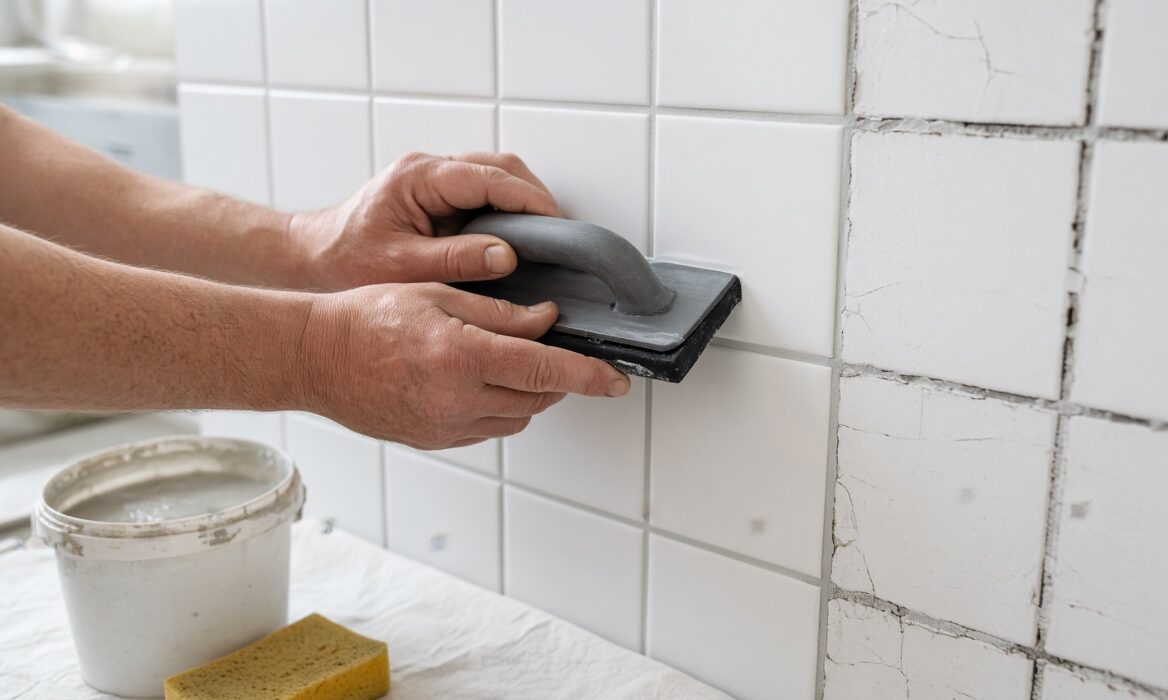
The new grout is mixed to the correct consistency and pressed firmly into the joints. The tiler works in sections so the grout does not dry before it is finished.
Choosing the Right Grout
Different areas need different grout. Showers and wet floors benefit from stain resistant grouts, while wider joints may need a product designed for them. Your tiler can recommend the best product for your tiles and your room.
Colour Choice
A matching grout colour makes the tile surface look continuous, while a contrasting colour highlights the pattern. Lighter grout shows dirt more easily, so a mid tone often works best in busy bathrooms.
Step Five: Cleaning and Finishing
Excess grout is wiped from the tile surfaces, and the joints are shaped for a neat finish. Once the grout has begun to set, the tiles are cleaned again to remove any haze.
Step Six: Silicone in the Corners
Internal corners and joins between surfaces should be finished with flexible silicone, not grout. Silicone moves with the building, while grout in corners cracks. Replacing old silicone at the same time as regrouting is a smart way to restore the whole surface.
Step Seven: Curing and Care
New grout needs time to cure before it is exposed to water. Your tiler will tell you how long to wait before using the shower, which depends on the products used. Following this advice protects your investment.
How Long Does Tile Regrouting Take?
A small area can often be regrouted in a few hours. A full shower or bathroom takes longer, usually around a day or more, plus the curing time before the area can be used. Time depends on the amount of grout, the depth of the joints and the condition of the tiles.
What Affects the Time
- The size of the area being regrouted
- The width and depth of the grout lines
- The hardness of the old grout
- The type and size of tile
- Whether silicone also needs replacing
- Whether any damaged tiles need replacing first
What Affects the Cost of Tile Regrouting?
Every project is different, so costs vary. The main factors are the size of the area, the amount of old grout to remove, the tile type and the access to the room. Small jobs are much cheaper than a full renovation, which is why regrouting is a popular way to refresh a bathroom.
Why Professional Regrouting Is Worth Considering
Regrouting looks simple, but poor work leads to cracked joints, stained tiles and damaged tile edges. Removing old grout takes patience and the right tools, and mixing and applying new grout correctly takes experience. A professional team gets a neater, longer lasting result.
Free Quotes
A reputable business will inspect the area, explain what is needed and give a clear quote with no hidden charges. If a tiler recommends more than regrouting, they should explain why.
Can You Regrout Over Old Grout?
In most cases, no. New grout needs a clean, deep joint to bond properly. Applying it over old, weak grout leads to cracking and early failure. The old grout should be removed to a proper depth first.
What About Grout Paint and Sealers?
Grout colour products and sealers can refresh the look of sound grout, but they do not repair cracked or crumbling joints. They are a cosmetic option, not a structural fix. If grout is damaged, regrouting is the better choice.
How to Make Your New Grout Last
Good care keeps fresh grout looking new and extends its life.
- Allow the grout and silicone to cure fully before using the shower
- Clean with a gentle pH neutral tile cleaner instead of harsh chemicals
- Run the exhaust fan during and after every shower
- Wipe excess water from tiles and floors regularly
- Seal the grout if your tiler recommends it
- Check grout and silicone once a year and repair small cracks quickly
Mistakes to Avoid When Regrouting
Not Removing Enough Old Grout
Shallow removal leads to weak new grout. The joint must be cleaned to a proper depth so the new material bonds well.
Using the Wrong Grout
Not every grout suits every area. Wet areas, wide joints and natural stone each need the right product.
Using Grout in Moving Corners
Internal corners need flexible silicone. Grout there will crack as the building moves.
Using the Shower Too Soon
Water before the grout has cured can cause staining and weak joints. Always follow the curing time.
Ignoring the Real Problem
If the real issue is a failed waterproofing layer, regrouting alone will not solve it. A proper inspection prevents wasted money.
When to Call a Professional
Call a professional if you notice any of these signs.
- Tiles that sound hollow or feel loose
- Grout that crumbles quickly or keeps cracking
- A musty smell or damp patches near the area
- Paint bubbling or peeling on walls near the shower
- Stains on ceilings below a bathroom
- Mould that keeps returning after regrouting
These signs often point to moisture behind the surface. The sooner an expert inspects it, the smaller the repair is likely to be. You can read more on our tiling and waterproofing page.
Areas We Serve Across Melbourne
Aussie Tradies Group is based in Campbellfield and serves homeowners across northern, eastern and south eastern Melbourne. Our team regularly works in suburbs including Toorak, Doncaster, Box Hill, Hampton, Bentleigh, St Kilda and Hawthorn. If your suburb is not listed, please contact our team, because we can often help with projects in nearby areas. We also provide tree and stump removal for homeowners who need outdoor areas cleared before tiling.
Frequently Asked Questions About Tile Regrouting
When should I regrout my tiles?
Regrout when grout is cracked, crumbling, missing, deeply stained or growing mould that keeps returning. If the tiles are firmly fixed and there are no signs of leaking, regrouting is usually enough to restore the surface.
How often should tiles be regrouted?
There is no fixed schedule. Grout in showers and wet areas often needs renewing sooner than grout in dry areas. Check your grout once a year and repair problems as soon as they appear.
Can I regrout over old grout?
In most cases, no. The old grout should be removed to a proper depth so the new grout can bond well. Applying new grout over weak old grout leads to early cracking.
Does regrouting stop a leaking shower?
Not always. Grout is not waterproof on its own, and a leak usually points to a failed waterproofing layer under the tiles. If your shower leaks, arrange a professional inspection before regrouting.
How long does regrouting take?
A small area can be done in a few hours. A full shower or bathroom usually takes around a day or more, plus the time for the grout and silicone to cure.
How long before I can use the shower after regrouting?
It depends on the products used. Your tiler will give you a specific time. Using the shower too early can stain the grout and weaken the joints.
Is regrouting worth it?
In most cases, yes. It is a cost effective way to refresh tiles and protect the surface, provided the tiles are sound and the waterproofing has not failed.
What is the difference between grout and silicone?
Grout is a rigid material used between tiles on flat surfaces. Silicone is flexible and is used in internal corners and where surfaces meet, because it moves with the building without cracking.
Ready to Refresh Your Tiles?
Tile regrouting is one of the most effective ways to make a tired bathroom look new, but it works best when the tiles are sound and the waterproofing underneath is healthy. If you are unsure whether regrouting is enough, a quick inspection will give you a clear answer.
Aussie Tradies Group provides tiling and waterproofing in Melbourne with clear quotes, tidy work sites and one team that stays responsible for the finished result. Call us on 0421 595 305, email info@atgltd.com.au or visit our contact page to request a free quote. You can also browse our full range of services or read more about our team before you decide.