Why You Should Not Leave a Tree Stump in Your Yard
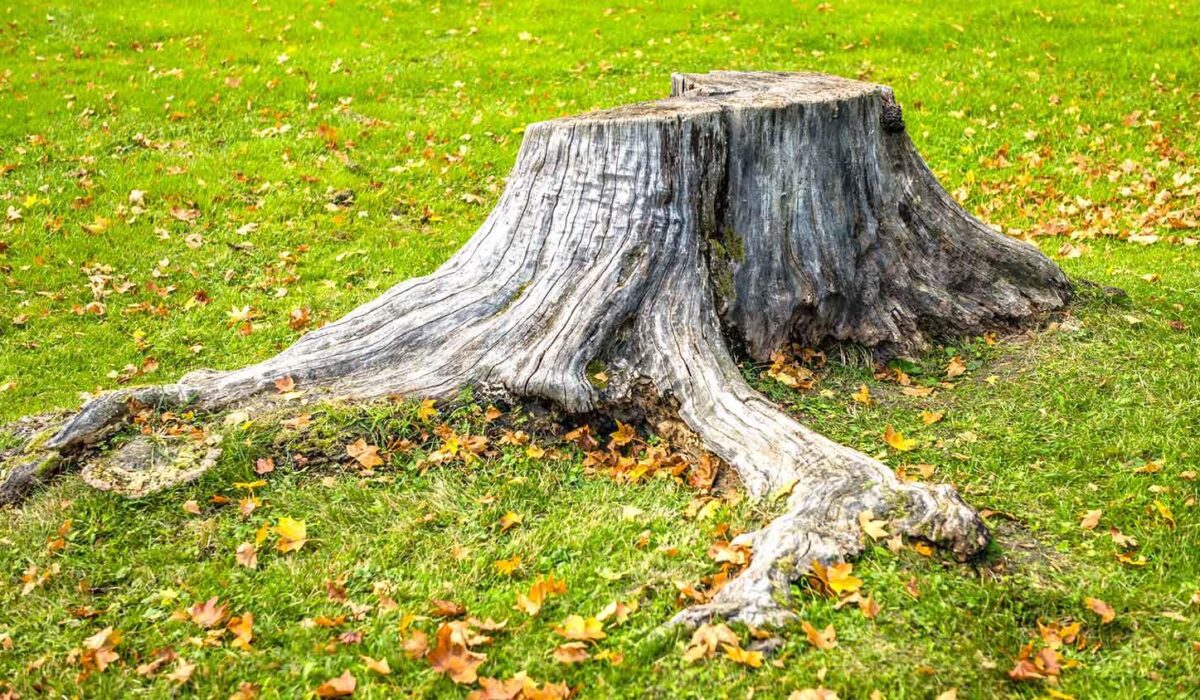
Removing a tree does not always mean the job is finished. The remaining stump can take up valuable garden space, create a tripping hazard, attract unwanted pests, and make future landscaping more difficult. Although leaving a stump in place may seem like an easy way to save money, it can lead to ongoing maintenance problems and limit how you use your outdoor area. Professional tree stump removal helps address these issues and makes it easier to restore the space for lawns, garden beds, or other landscaping projects.
Whether you have recently removed a damaged tree or inherited an old stump that has been sitting in your yard for years, understanding the potential problems can help you decide what to do next. The right solution depends on the stump’s size, condition, location, and your plans for the surrounding area.
1. Tree Stumps Can Create Tripping Hazards
One of the most immediate reasons to remove a tree stump is safety. A stump that sits above ground level can become an obstacle for anyone walking through the yard, particularly when grass, weeds, or surrounding plants hide its edges.
The risk can be greater in gardens used by children, older adults, visitors, and pets. A stump near a pathway, outdoor seating area, driveway, or play space may interfere with normal movement and become difficult to notice.
Leaving a stump can create problems when:
- Children run or play across the lawn.
- Guests walk through the garden after dark.
- Lawn mowing requires repeated manoeuvring around the stump.
- Grass and weeds grow around the exposed wood.
- Garden paths or outdoor seating areas are used frequently.
Grinding the stump below ground level can remove the main obstacle and make the area easier to maintain. If the stump is located in a frequently used part of the property, dealing with it sooner can help reduce the risk of accidental trips.
2. Old Stumps Can Attract Certain Pests
A decaying tree stump can provide shelter and a food source for various organisms. Depending on the tree species, moisture levels, and surrounding environment, decomposing wood may attract insects such as beetles, ants, and termites.
Not every stump will attract termites, and the presence of a stump does not automatically mean a property has a pest infestation. However, decaying wood near buildings may deserve attention, especially when it remains damp or comes into contact with other timber.
Potential concerns include:
- Insects living within decaying wood
- Ant activity around the stump
- Termites in environments where they are present
- Fungi and other organisms breaking down the wood
- Pest activity going unnoticed beneath dense vegetation
If a stump is close to your home, timber fencing, a deck, or an outdoor structure, consider having it assessed.
Tree stump removal can eliminate the above-ground wood that provides habitat for some pests, although grinding does not guarantee that all insects or underground roots will be removed. If you suspect termites or structural timber damage, contact a qualified pest management professional for inspection and advice.
3. Tree Stumps Can Encourage Fungal Growth
As a tree stump breaks down, fungi help decompose the dead wood. You may notice mushrooms, fungal growth, soft wood, or darkened areas around the stump as the decomposition process continues.
Fungi are a natural part of the environment, and their presence does not always indicate a serious problem. However, some property owners may find fungal growth unattractive, particularly in a front garden or a frequently used lawn.
The condition of the stump can also change over time. As the wood becomes softer and more fragmented, the surrounding ground may become uneven or difficult to maintain.
Removing or grinding the stump can reduce the amount of exposed decaying wood and help prepare the area for landscaping. However, fungal organisms may persist in remaining roots or surrounding organic material.
If unusual fungal growth appears near a living tree, or you are concerned about possible disease, seek advice from a qualified arborist rather than assuming the stump is the only source of the problem.
4. A Tree Stump Takes Up Valuable Garden Space
Garden space is often limited, especially in smaller suburban yards. A large stump can prevent you from using part of the lawn, extending a garden bed, installing outdoor furniture, or improving the layout of your landscaping.
Even a stump that looks relatively small above ground may have substantial roots extending into the surrounding soil.
Removing the stump can create opportunities to:
- Extend a lawn or garden bed
- Improve the layout of a backyard
- Create a more usable outdoor seating area
- Prepare space for suitable new plants
- Make mowing and edging easier
- Improve the appearance of the property
Before choosing a removal method, consider what you want to do with the area afterwards. If you plan to install turf or plant a garden, grinding the stump below ground level may be suitable. If the project involves construction or extensive excavation, you may need a different approach to deal with the remaining root system.
5. Stumps Can Make Lawn Maintenance More Difficult
A tree stump can interfere with routine garden work, particularly if it is located in the middle of a lawn or near a boundary.
Lawnmowers and edging tools may need to work around the stump, making it harder to achieve a consistent finish. Grass and weeds can also grow around the base, creating an untidy appearance and requiring additional trimming.
Over time, the stump may become uneven as the wood decays. Exposed roots can also interfere with mowing and make the surrounding area more difficult to maintain.
Removing the stump can help you:
- Mow the lawn more easily
- Maintain cleaner lawn edges
- Reduce the need for repeated trimming around obstacles
- Improve the consistency of the lawn surface
- Simplify routine garden maintenance
For a lawn restoration project, stump grinding is often a practical option. The stump is ground into smaller wood fragments, and the resulting material can be managed before suitable topsoil and grass are added.
The area may need additional preparation before new turf or seed can establish properly.
6. Remaining Stumps Can Produce New Growth
Some tree species can produce shoots from a remaining stump or its root system after the main trunk has been cut down. These shoots may develop around the stump or emerge from roots farther away.
This regrowth can be frustrating if you removed the tree because it was too large, poorly positioned, or unsuitable for the garden.
Repeatedly cutting the shoots may control visible growth temporarily, but it does not necessarily address the underlying root system.
The likelihood of regrowth depends on factors such as:
- The tree species
- The condition of the stump
- The health of the remaining roots
- The season and growing conditions
- The removal method used
Stump grinding can reduce the remaining stump and help limit regrowth from the ground-level portion, but it may not eliminate every viable root. Some species can continue producing shoots from roots left in the soil.
If regrowth is a persistent problem, ask an arborist or qualified tree care professional about the most suitable management approach for the particular species.
7. Decaying Stumps Can Leave Uneven Ground
A tree stump does not remain unchanged after the tree has been removed. As microorganisms break down the wood, the stump and its roots gradually decompose.
This process can lead to changes in the surrounding ground. The soil may settle, small depressions can form, and the area may become uneven as buried wood breaks down.
Uneven ground can make a garden harder to maintain and may affect future landscaping work. It can also make it difficult to create a smooth lawn or prepare a level planting area.
Grinding the stump and preparing the ground can help you reclaim the space sooner rather than waiting for natural decay to progress.
However, stump grinding does not automatically create a finished lawn or level garden. The remaining wood chips, soil, and ground conditions must be managed according to the intended use of the area.
8. Tree Stumps Can Affect the Appearance of Your Property
A neglected stump can make an otherwise well-maintained garden look unfinished. This is especially noticeable in front yards, near entrances, or in landscaped areas where appearance matters.
The visual impact can increase when the stump becomes cracked, discoloured, covered in weeds, or surrounded by decaying wood.
Removing the stump can create a cleaner and more consistent appearance, particularly when combined with general garden maintenance.
This may be useful if you are:
- Preparing your home for sale
- Improving the appearance of a rental property
- Redesigning an outdoor space
- Maintaining a professional commercial landscape
- Restoring a lawn after tree removal
A tidy garden can contribute to a positive first impression, although stump removal alone does not guarantee an increase in property value.
If appearance is your main concern, consider the final landscaping plan before choosing the removal method. The goal should be to leave the area suitable for the next stage of your garden project.
9. Stumps May Interfere With Future Landscaping
Leaving a stump in place can limit your options when planning changes to your garden. Depending on its location and size, it may obstruct new planting, pathways, retaining features, or outdoor improvements.
For example, a stump in the middle of a planned lawn extension may need to be removed before turf can be installed. A stump near a garden bed may interfere with planting arrangements or create an awkward boundary.
Before beginning a landscaping project, consider whether the stump and remaining roots could affect the planned work.
Stump removal or grinding may be appropriate when you want to:
- Install new turf
- Expand a garden bed
- Improve a pathway
- Change the garden layout
- Prepare an area for suitable new planting
- Make the space easier to maintain
If you intend to build a deck, shed, retaining wall, or another structure, grinding alone may not be sufficient. The remaining roots and soil conditions should be assessed against the project’s requirements.
Consult your builder or landscaping professional before deciding how much of the stump and root system needs to be removed.
10. Tree Stumps Can Create Additional Garden Cleanup
An old stump can become surrounded by leaves, weeds, loose bark, and other garden debris. If the wood begins to break apart, pieces may accumulate around the base and make the area untidy.
This can increase the effort required to keep the garden clean. Weeds may become harder to remove, while dense growth can hide the stump’s edges and any exposed roots.
Removing the stump can simplify ongoing maintenance by making the area easier to access and inspect.
However, the cleanup required depends on the removal method. Grinding creates wood chips mixed with some soil, which may need to be removed or managed before the area is replanted.
Discuss cleanup arrangements with the service provider if you want the area ready for immediate landscaping.
11. Natural Decay Can Take a Long Time
One reason property owners leave stumps behind is the assumption that the wood will eventually disappear naturally. While decomposition does occur, the process can take years and varies significantly according to the stump’s size, species, moisture level, and surrounding conditions.
A small stump may break down faster than a large stump from a mature tree. Dense wood can persist for a long time, while wet conditions may encourage decay but can also contribute to fungal growth.
Waiting for natural decomposition may be reasonable if the stump is in an unused area and does not create a safety, pest, or landscaping concern.
However, if you want to reclaim the space soon, natural decay may not meet your needs.
Professional stump grinding can reduce the stump much more quickly, allowing you to begin preparing the area for its next use without waiting for the entire stump to rot away.
12. Stumps Can Complicate Property Improvements Near the Ground
A stump may become an obstacle when you need to work on the surrounding ground. This is especially relevant if you plan to change the garden’s layout or install features that require a relatively clear surface.
The visible stump may be only one part of the issue. Large roots can extend beneath nearby lawn areas, garden beds, and other parts of the property.
Depending on the project, the remaining root system may affect excavation, soil preparation, or the positioning of new features.
If the stump is near a planned building or hard landscaping project, do not assume that grinding the visible wood will remove all potential obstructions. Discuss the required depth and root management with the relevant professional before the work begins.
For ordinary lawn and garden improvements, grinding may be enough. More substantial projects may require excavation or additional work.
Tree Stump Grinding vs Complete Stump Removal
If you decide not to leave a stump in your yard, the next step is choosing an appropriate removal method. Stump grinding and complete stump extraction are different services, and each has advantages depending on your needs.
| Feature | Stump grinding | Complete stump extraction |
|---|---|---|
| Main process | Grinds the stump below ground level | Removes the stump and substantial roots through excavation |
| Ground disturbance | Usually more limited | Often more extensive |
| Underground roots | Most remain and decay naturally | Major roots may be removed |
| Landscaping suitability | Often suitable for lawns and garden beds | May suit projects needing more extensive root removal |
| Time and equipment | Depends on stump size and access | Depends on excavation requirements and root structure |
| Ground restoration | May require filling and levelling | Often requires backfilling and additional restoration |
When Is Stump Grinding the Better Option?
Stump grinding is often practical when you want to remove the visible stump, improve the appearance of your garden, or prepare the area for ordinary landscaping.
The grinder reduces the stump into small fragments below ground level. The remaining roots are generally left in place to decompose over time.
When Might Complete Extraction Be Necessary?
Complete extraction may be more appropriate when substantial root removal is required for a particular construction or landscaping project.
Because extraction can disturb more soil and surrounding ground, it may involve additional machinery, excavation, and restoration.
The right option depends on the stump’s condition, its location, access restrictions, and your intended use of the space. A professional assessment can help you decide which method is appropriate.
How Much Does Tree Stump Removal Cost?
The cost of tree stump removal depends on the size of the stump, its species, root structure, accessibility, and the removal method required. A small stump in an open lawn is usually a different job from a large stump surrounded by fences, garden beds, or nearby structures.
Common factors affecting the price include:
- Stump diameter: Larger stumps usually require more grinding or excavation.
- Wood hardness: Dense wood may take longer to process.
- Root spread: Large surface roots can add to the workload.
- Site access: Narrow pathways and restricted spaces may require different equipment.
- Grinding depth: Deeper grinding may increase the time and amount of material produced.
- Number of stumps: Multiple stumps may change the overall job requirements.
- Waste management: Removing wood chips and other debris may affect the quote.
- Ground restoration: Filling, levelling, and preparing the area may be additional work.
For a reliable estimate, provide the service provider with the stump’s approximate diameter, its location, photographs of the surrounding area, and details about what you want to do with the space afterwards.
Ask whether the quote includes stump grinding, root work, cleanup, and disposal so you can compare services accurately.
What Should You Do After Tree Stump Removal?
Once the stump has been ground or extracted, the next steps depend on your landscaping plans.
Prepare the Area for Grass
If you want to restore a lawn, manage the wood chips appropriately and prepare the ground with suitable topsoil. Level the area before sowing grass seed or laying turf.
Create a Garden Bed
For a new garden bed, assess the remaining wood and roots before adding soil and plants. Some planting plans may require additional preparation, depending on the stump’s size and the species of plants you intend to grow.
Consider Replacement Planting
If you want to plant another tree, choose a suitable location and species for the available space. Planting directly over the old stump may not be ideal because remaining roots and wood chips can affect growing conditions.
Arrange Additional Landscaping
If the area will be used for paving, construction, or another major project, confirm that the ground has been prepared to meet the project’s requirements. Stump grinding does not automatically provide a construction-ready surface.
A clear plan for the area helps ensure that stump removal delivers a practical benefit rather than simply leaving an unfinished patch of ground.
Frequently Asked Questions About Tree Stump Removal
Is it bad to leave a tree stump in the yard?
Not necessarily in every situation, but a stump can create tripping hazards, attract certain insects, encourage fungal growth, interfere with mowing, and limit landscaping options. Whether it should be removed depends on its location, condition, and intended use of the area.
How long does it take for a tree stump to rot naturally?
Natural decomposition can take several years and sometimes considerably longer. The process depends on the stump’s size, wood density, moisture, climate, and surrounding conditions.
Does tree stump removal prevent termites?
Removing a stump can reduce one potential source of decaying wood, but it does not guarantee protection against termites or eliminate an existing infestation. If you notice termite activity, arrange an inspection with a qualified pest management professional.
Will stump grinding remove all the tree roots?
No. Stump grinding usually removes the visible stump and may reduce selected surface roots, but most underground roots remain. They gradually decompose in the soil.
Can I grow grass where a tree stump was removed?
Yes, in many cases. The area may need wood chip management, additional topsoil, and levelling before grass seed or turf can be established successfully.
Should I remove a stump if it is far from my house?
It depends on the circumstances. A stump in an unused part of the yard may be safe to leave temporarily, provided it does not create other concerns. Consider removing it if it attracts unwanted pests, creates an obstacle, produces unwanted shoots, or interferes with planned landscaping.
Is stump grinding better than complete stump removal?
Stump grinding is often suitable for improving garden appearance and reclaiming lawn space with less ground disturbance. Complete extraction may be preferable when a project requires more extensive root removal. The best method depends on the site and the intended use of the area.
Can an old stump damage nearby structures?
A stump does not automatically damage nearby structures, but its remaining roots, location, and the surrounding soil may matter for some landscaping or construction projects. If you plan to build near the stump, seek advice from the relevant professional about root removal and ground preparation.
Can I remove a tree stump myself?
Small stumps may sometimes be manageable with suitable tools and experience, but larger stumps can involve extensive roots, heavy equipment, and underground service hazards. Professional assessment is advisable if the stump is large, difficult to access, or close to buildings and buried services.
Reclaim Your Garden with Professional Tree Stump Removal
Leaving a tree stump in your yard may seem harmless at first, but it can lead to ongoing problems with safety, garden maintenance, pests, appearance, and future landscaping. While natural decay may eventually break down the wood, the process can take years and may not suit your plans for the property.
Professional tree stump removal helps you address the problem according to the stump’s size, condition, and location. For many gardens, stump grinding offers a practical way to reduce the visible stump and prepare the space for new landscaping. More extensive projects may require additional root removal or ground preparation.
If an old stump is taking up valuable space or making your garden difficult to maintain, arrange a professional assessment to discuss your options. Confirm the removal method, expected grinding depth, cleanup requirements, and any additional work needed to prepare the area.
Taking care of the stump now can help you create a safer, tidier, and more usable outdoor space for the future.