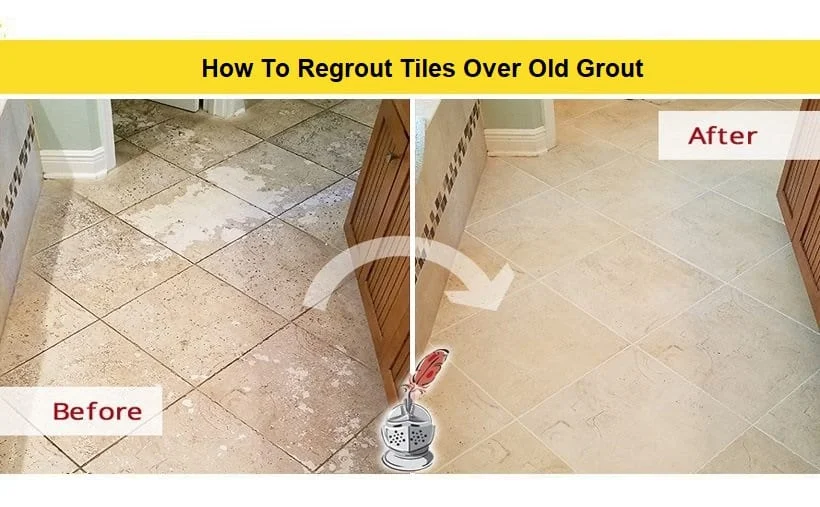
Tile Regrouting: When Should You Regrout?
Tile regrouting can restore the appearance of a bathroom, improve the condition of worn grout, and help maintain tiled surfaces before minor problems become more serious. If your bathroom grout is cracked, stained, crumbling, discoloured, or allowing moisture to reach areas where it should not, it may be time to consider regrouting. Knowing when to regrout bathroom tiles can help homeowners avoid unnecessary tile replacement and keep tiled areas looking clean and well maintained.
What Is Tile Regrouting?
Tile regrouting is the process of removing damaged or deteriorated grout from the joints between existing tiles and replacing it with new grout.
Over time, grout can become affected by:
• Regular water exposure
• Cleaning products
• Dirt and soap residue
• Movement
• Moisture
• Poor ventilation
• General wear and tear
Replacing the grout can give an older tiled surface a cleaner appearance without removing tiles that are otherwise in good condition.
However, regrouting is not suitable for every situation. If tiles are loose, cracked, damaged, or the underlying surface has a serious moisture problem, additional repairs may be required.
When Should You Regrout Bathroom Tiles?
You should consider tile regrouting when the existing grout has significant staining, cracking, crumbling, gaps, or deterioration.
Common signs that your grout may need attention include:
• Grout is cracking
• Grout is crumbling
• Grout joints are missing sections
• Persistent dark or discoloured areas appear
• Grout has become difficult to clean
• Water appears to be getting into unwanted areas
• Grout is loose or deteriorating
• The bathroom looks worn despite regular cleaning
The right solution depends on the condition of the grout, tiles, waterproofing, and substrate.
1. Cracked Grout
Cracked grout is one of the most obvious signs that your bathroom may need regrouting.
Small isolated cracks can sometimes be caused by movement or normal wear. However, widespread cracking may indicate an underlying issue that should be investigated.
Simply applying new grout over cracked material is not always an effective solution.
The damaged grout generally needs to be properly removed and the joints prepared before new grout is installed.
2. Crumbling Grout
Grout should remain relatively solid within the joints.
If you notice grout powder, loose pieces, or sections falling out when you clean the bathroom, the grout has deteriorated.
Crumbling grout can leave gaps between tiles and allow water, dirt, and other contaminants to enter the joints.
Regrouting may be appropriate if the tiles and underlying surface remain in good condition.
3. Persistent Grout Staining
Bathroom grout can become stained over time because of soap residue, dirt, moisture, and general use.
Some staining can be removed through proper cleaning.
However, if grout remains heavily discoloured even after cleaning, replacing the grout can provide a much cleaner appearance.
It is important to distinguish ordinary staining from mould or moisture related problems. Persistent dark areas may require more than cosmetic treatment.
4. Grout Has Become Difficult to Clean
Older grout can become porous, discoloured, and difficult to maintain.
If regular cleaning no longer restores the original appearance, the grout may have reached the point where replacement is more practical than repeated cleaning.
New grout can improve the overall appearance of the tiled area when the tiles themselves remain in good condition.
5. Gaps Are Appearing Between Tiles
Missing grout creates visible gaps between tiles.
These gaps can collect dirt and moisture and may make the tiled surface look unfinished.
If several grout joints have gaps or sections are missing, regrouting can restore the joints.
Before starting, the cause of the deterioration should be considered.
6. The Grout Is Wearing Away
High use areas such as shower floors and bathroom floors are exposed to regular water, cleaning, foot traffic, and general wear.
Over time, grout joints can gradually deteriorate.
If the grout is noticeably thinner, missing, or breaking down, regrouting may help restore the surface.
7. Your Bathroom Looks Tired Despite Cleaning
Sometimes the tiles are still in good condition but the grout makes the entire bathroom look old.
Regrouting can make a noticeable visual difference without replacing every tile.
This can be a practical option when homeowners want to refresh the bathroom without undertaking a complete renovation.
Tile Regrouting vs Tile Replacement
One of the biggest questions homeowners ask is whether they should regrout or replace the tiles.
Regrouting may be appropriate when:
• Tiles are generally in good condition
• Tiles are firmly attached
• The grout is the main problem
• There are no significant substrate issues
• The waterproofing system is not compromised
Tile replacement may be more appropriate when:
• Tiles are cracked or badly damaged
• Tiles are loose
• The substrate is unstable
• There is significant water damage
• The existing tile installation has major defects
• The bathroom requires a complete renovation
If the tiles are structurally sound, replacing grout can sometimes provide a much more practical solution than removing an entire tiled surface.
Can You Regrout Over Existing Grout?
In most situations, simply applying new grout over old grout is not the correct approach.
The existing deteriorated grout generally needs to be removed to an appropriate depth so the new grout can bond properly.
The joints then need to be cleaned and prepared before the replacement grout is installed.
Applying a thin layer of new grout over damaged or contaminated old grout can result in poor adhesion and premature deterioration.
How Does Tile Regrouting Work?
The exact process depends on the condition of the existing installation, but a professional regrouting project generally involves several stages.
Step 1: Inspect the Existing Tiles and Grout
The first step is to determine whether the problem is limited to the grout.
The condition of the tiles, joints, substrate, waterproofing, shower area, and surrounding surfaces should be considered.
Step 2: Remove Damaged Grout
The deteriorated grout is carefully removed from the joints.
This needs to be done carefully to avoid damaging the surrounding tiles.
Step 3: Clean the Joints
The joints should be cleaned so loose material, dust, residue, and contaminants do not interfere with the new grout.
Step 4: Check for Underlying Problems
If there are signs of moisture, movement, damaged tiles, or other issues, these should be addressed before new grout is installed.
Regrouting should not be used to hide a more serious underlying problem.
Step 5: Apply New Grout
The appropriate grout is installed into the prepared joints.
It needs to be applied correctly and worked into the joints to achieve consistent coverage.
Step 6: Clean the Tile Surface
Excess grout is removed from the tile surface before it cures.
This helps produce a cleaner final appearance.
Step 7: Allow Proper Curing
The grout needs sufficient time to cure according to the product requirements.
The bathroom may need to remain unused or have restricted water exposure during this period.
How Long Does Tile Regrouting Take?
The time required depends on:
• Bathroom size
• Number of tiles
• Amount of grout deterioration
• Joint width
• Tile size
• Accessibility
• Amount of old grout that needs to be removed
• Whether repairs are required
A small area may be completed relatively quickly, while a full bathroom with extensive grout deterioration can require considerably more preparation and finishing work.
The condition of the existing installation should be assessed before providing a realistic timeframe.
How Long Does New Grout Last?
The lifespan of grout depends on the quality of the installation, product selection, bathroom conditions, ventilation, cleaning habits, and general use.
Grout in a frequently used shower may experience more wear than grout in a rarely used bathroom.
Proper cleaning and maintenance can help extend its service life.
However, no grout installation should be expected to remain unaffected indefinitely.
Does Regrouting Stop Bathroom Leaks?
Regrouting can repair deteriorated grout joints, but it should not automatically be considered a waterproofing repair.
This is an important distinction.
Tiles and grout are part of the visible surface. Waterproofing behind the tiled surface serves a different purpose.
If a bathroom has an actual waterproofing failure, simply replacing grout may not resolve the underlying problem.
Signs such as persistent moisture, water damage, damp areas, or recurring leaks should be properly investigated.
Regrouting and Bathroom Waterproofing
Regrouting and waterproofing are related to bathroom moisture management but they are not the same thing.
Waterproofing protects the building structure behind the finished surface.
Grout fills the joints between tiles and contributes to the finished tiled surface.
If your bathroom has significant water problems, a professional assessment should determine whether the issue is:
• Damaged grout
• Failed sealant
• Poor drainage
• Plumbing leakage
• Waterproofing failure
• Damaged substrate
• Another underlying issue
Identifying the actual cause is important before choosing a repair.
Should You Regrout a Shower?
Shower areas are among the most common places where grout deterioration occurs.
Showers receive frequent exposure to water, cleaning products, humidity, and movement.
If shower grout is cracked, missing, or deteriorating, it may be worth having the area inspected.
However, shower regrouting should be approached carefully because the shower is a high moisture environment.
The condition of the waterproofing and surrounding construction should be considered before treating the problem as purely cosmetic.
What About Shower Corners?
Corners and changes of plane require particular attention.
Rigid grout may not always be the appropriate treatment for movement joints or changes of plane.
Suitable flexible sealants may be required in certain locations.
If these areas repeatedly crack after regrouting, the underlying installation should be reviewed rather than simply applying more grout.
Regrouting Floor Tiles
Bathroom floor grout can deteriorate because of foot traffic, regular cleaning, moisture, and general use.
Floor grout should also be considered alongside drainage.
If water remains standing on the floor or does not flow properly toward the waste, replacing grout alone will not correct the drainage problem.
The condition of the floor and falls should be assessed if drainage is a concern.
Choosing the Right Grout
Different applications may require different grout products.
Consider:
• Tile material
• Joint width
• Location
• Moisture exposure
• Cleaning requirements
• Colour
• Product specifications
The grout should be suitable for the particular tile and installation environment.
Choosing grout simply because the colour looks attractive is not enough.
Should You Change the Grout Colour?
Changing grout colour can significantly alter the appearance of a tiled bathroom.
For example, a grout colour close to the tile colour can create a more uniform appearance.
A contrasting grout colour can make individual tiles and patterns more noticeable.
When choosing a new colour, consider the overall bathroom design and how easily the colour may show dirt or staining.
Can Regrouting Make an Old Bathroom Look New?
Regrouting can make a noticeable difference when the tiles themselves are still in good condition.
Fresh grout can:
• Improve the appearance of tile joints
• Make the bathroom look cleaner
• Refresh an older tiled surface
• Improve visual consistency
• Reduce the appearance of worn grout
However, regrouting does not replace a full renovation when the fixtures, tiles, plumbing, waterproofing, or layout also need major improvements.
Tile Regrouting for Melbourne Bathrooms
Melbourne bathrooms experience regular moisture exposure, and older properties can have a wide variety of construction methods and previous renovation work.
The condition of the existing bathroom should therefore be considered before deciding whether regrouting is the right solution.
A bathroom in an older Melbourne home may have multiple layers of previous repairs or renovations.
In some cases, the grout may simply be worn.
In others, deteriorated grout may be a visible symptom of a larger problem.
A proper inspection can help determine the most appropriate repair.
Common Regrouting Mistakes
Applying New Grout Over Dirty Joints
New grout needs a properly prepared surface.
Dust, loose grout, soap residue, and other contaminants can affect the finished result.
Removing Too Little Old Grout
If deteriorated grout is not removed sufficiently, the new material may not bond properly.
Damaging the Tiles During Grout Removal
Careful removal is important because aggressive tools or techniques can chip or scratch tiles.
Ignoring Cracked Tiles
If tiles themselves are damaged, replacing grout does not solve the underlying problem.
Ignoring Water Damage
Persistent moisture should always be investigated rather than hidden with new grout.
Using the Wrong Product
Grout needs to be suitable for the application, tile, joint width, and moisture exposure.
Rushing the Curing Process
Fresh grout needs appropriate curing time. Using the bathroom too soon can affect the finished installation.
How to Maintain Grout After Regrouting
Once the new grout has been installed and fully cured, proper maintenance can help keep it looking better for longer.
Clean Regularly
Use appropriate cleaning methods and avoid unnecessarily aggressive chemicals.
Control Moisture
Good ventilation can help reduce excessive humidity.
Use the exhaust fan during and after showers where appropriate.
Dry Wet Areas
Allowing water to remain on tiled surfaces for long periods can contribute to staining and moisture related problems.
Inspect Grout Regularly
Look for:
• Cracks
• Gaps
• Missing grout
• Discolouration
• Crumbling
• Persistent dampness
Early attention can prevent small maintenance issues from becoming more difficult repairs.
How Often Should You Regrout Bathroom Tiles?
There is no fixed schedule for tile regrouting.
Some bathrooms may require attention after several years, while properly installed grout in a well maintained bathroom can remain in good condition for much longer.
Instead of regrouting simply because a certain amount of time has passed, inspect the actual condition of the grout.
Consider regrouting when there are clear signs of deterioration.
Is Tile Regrouting Worth It?
Tile regrouting can be worthwhile when the tiles are still in good condition and the grout is the main issue.
It can provide a cleaner appearance and potentially extend the useful life of an existing tiled surface.
However, regrouting should not be used as a way to cover serious problems.
If tiles are loose, the substrate is damaged, waterproofing has failed, or there are persistent leaks, a more comprehensive repair may be required.
When Should You Call a Professional?
Professional tile repair or regrouting services may be appropriate when:
• Grout is extensively damaged
• The bathroom has persistent moisture problems
• Shower grout is deteriorating
• Tiles are loose
• Tiles are cracked
• You suspect waterproofing problems
• The bathroom has drainage issues
• You are unsure whether regrouting is suitable
A professional can assess the condition of the tiled surface and help determine whether regrouting, tile repair, waterproofing work, or a more extensive renovation is required.
Frequently Asked Questions
What is tile regrouting?
Tile regrouting involves removing deteriorated grout from between existing tiles and replacing it with new grout. It is commonly used when the tiles remain in reasonable condition but the grout has become damaged or worn.
How do I know if my bathroom needs regrouting?
Look for cracked, crumbling, missing, heavily stained, or deteriorated grout. Persistent discolouration that cannot be cleaned may also indicate that the grout needs attention.
Can you regrout without removing the old grout?
Simply covering old grout with a thin layer of new material is generally not the preferred approach. Damaged grout usually needs to be removed and the joints properly prepared first.
Does regrouting fix leaks?
Not necessarily. Regrouting can repair deteriorated grout, but it does not automatically repair failed waterproofing, plumbing leaks, or other underlying moisture problems.
How long does bathroom regrouting take?
The timeframe depends on the size of the bathroom, condition of the grout, number of joints, accessibility, and whether additional repairs are required.
Is regrouting cheaper than replacing tiles?
When the existing tiles are in good condition, regrouting can be a more practical option than removing and replacing the entire tiled surface. The actual cost depends on the amount of grout removal, preparation, repairs, materials, and labour required.
Can shower tiles be regrouted?
Yes, shower tiles can be regrouted when the existing tiles and underlying installation are suitable. Because showers are exposed to significant moisture, the condition of the waterproofing should also be considered.
Can regrouting make a bathroom look better?
Yes. New grout can significantly improve the appearance of an older tiled surface, particularly when the tiles themselves are still in good condition.
Final Thoughts
Tile regrouting can be an effective way to refresh an existing bathroom when the grout has become cracked, stained, worn, or deteriorated but the tiles remain in good condition.
The key is to identify the actual problem before starting. Regrouting can address damaged grout, but it should not be used to hide loose tiles, drainage problems, plumbing leaks, waterproofing failures, or damaged substrates.
If your bathroom grout is showing signs of deterioration, a professional assessment can help determine whether tile regrouting, tile repair, waterproofing, or a more extensive bathroom renovation is the right solution.
Need help with damaged bathroom grout or tiles? Get Free Strategy Session.