Shower Waterproofing Bentleigh
Shower Waterproofing Bentleigh | Complete Guide
A modern shower should offer comfort, convenience and reliable protection against moisture damage. Whether you live in a renovated family home in Bentleigh or a contemporary residence in Toorak, proper shower waterproofing is an essential part of a well-built bathroom.
Unfortunately, waterproofing problems are not always immediately visible. A shower may look beautiful, with clean tiles, attractive fittings and fresh grout, while moisture is gradually entering the materials beneath the finished surface.
Over time, water penetration can contribute to loose tiles, damaged plaster, mould growth, unpleasant odours and costly repairs.
For homeowners searching for shower waterproofing Bentleigh, understanding how waterproofing systems work can help prevent avoidable problems during bathroom renovations and repairs.
A properly designed shower waterproofing system does more than resist splashes. It protects moisture-sensitive materials, manages water exposure and works alongside suitable drainage and tiling.
At Aussie Tradies Group, we understand the importance of careful preparation and suitable waterproofing methods for Melbourne bathroom projects.
This guide explains shower waterproofing requirements, installation methods, common problems, repair options and practical maintenance advice for Bentleigh and Toorak homeowners.
What Is Shower Waterproofing?
Shower waterproofing involves installing a suitable barrier system to help prevent water from reaching vulnerable building materials beneath or behind the finished surfaces.
Most tiled showers rely on a concealed waterproofing membrane installed as part of the wet-area construction.
The membrane works with other components, including compatible substrates, sealants, drainage connections and tiles.
Why Is a Waterproofing Membrane Necessary?
Tiles alone do not make a shower waterproof.
Although many ceramic and porcelain tiles resist water, moisture can move through grout joints, cracks and other openings.
A suitable waterproofing membrane helps prevent that moisture from entering the surrounding building structure.
What Areas Need Waterproofing?
The required areas depend on the shower design and applicable building requirements.
They may include:
- Shower floors.
- Shower walls.
- Wall-to-floor junctions.
- Internal corners.
- Plumbing penetrations.
- Drainage connections.
- Shower thresholds and waterstops.
- Other specified wet-area surfaces.
Is Waterproofing Different from Tiling?
Yes.
Waterproofing protects the underlying assembly, while tiling provides the finished surface.
Both must be designed and installed correctly.
Why Shower Waterproofing Matters for Bentleigh and Toorak Homes
Homes across Melbourne vary in age, layout and construction.
Some bathrooms are newly built, while others have undergone several renovations.
Regardless of the property’s style, showers are regularly exposed to water.
Protecting Walls and Floors
Moisture can damage certain wall linings, flooring substrates and framing materials.
Suitable waterproofing helps reduce the risk of water reaching these areas.
Reducing Hidden Moisture Damage
Water penetration may occur beneath tiles without obvious early warning signs.
Supporting Bathroom Renovations
Waterproofing should be considered before the final tiles and fixtures are installed.
Helping Maintain Property Condition
A correctly constructed wet area can reduce the likelihood of moisture-related deterioration.
Avoiding Unnecessary Repair Work
Repairing failed waterproofing may require removing tiles and reconstructing affected surfaces.
Correct preparation during the original installation can help prevent avoidable defects.
How Does Shower Waterproofing Work?
A waterproofing system involves several connected components.
The membrane is important, but it cannot compensate for every problem with the substrate, drainage or installation.
1. Suitable Substrate
The wall and floor surfaces must be appropriate for the selected waterproofing system.
2. Surface Preparation
Dust, loose material and other contaminants should be removed.
3. Primer Application
Some membrane systems require a compatible primer.
4. Junction Detailing
Corners and changes of plane may require bond breakers, reinforcement or other approved details.
5. Waterproofing Membrane
The membrane is installed according to the selected system’s requirements.
6. Drainage Connections
The membrane must be appropriately connected to the drainage assembly.
7. Curing and Inspection
The installation must reach the required condition before subsequent work.
8. Tiling
Compatible tile adhesives, tiles, grout and movement-joint materials complete the tiled assembly.
Each stage contributes to the overall performance of the shower.
Shower Waterproofing Requirements in Victoria
Bathroom waterproofing must meet the building requirements applicable to the project.
The National Construction Code and relevant Australian Standards establish requirements for wet-area construction.
AS 3740:2021
AS 3740:2021 addresses the materials, design and installation of waterproofing for domestic wet areas.
National Construction Code
The NCC provides requirements for shower floors, walls, junctions and other wet-area components.
Shower Wall Waterproofing
The applicable provisions include requirements for waterproofing shower walls to specified heights.
The exact treatment depends on the design and compliance pathway.
Shower Floor Drainage
Shower floors require suitable drainage falls.
Enclosed and Unenclosed Showers
The waterproofing extent can differ between enclosed and open shower designs.
Victorian Building Requirements
Additional requirements may apply depending on the building type and scope of work.
A suitably qualified practitioner should confirm the requirements relevant to the particular project.
Different Types of Shower Waterproofing Membranes
Several membrane systems are used in residential wet areas.
Each has different installation requirements.
Liquid-Applied Membranes
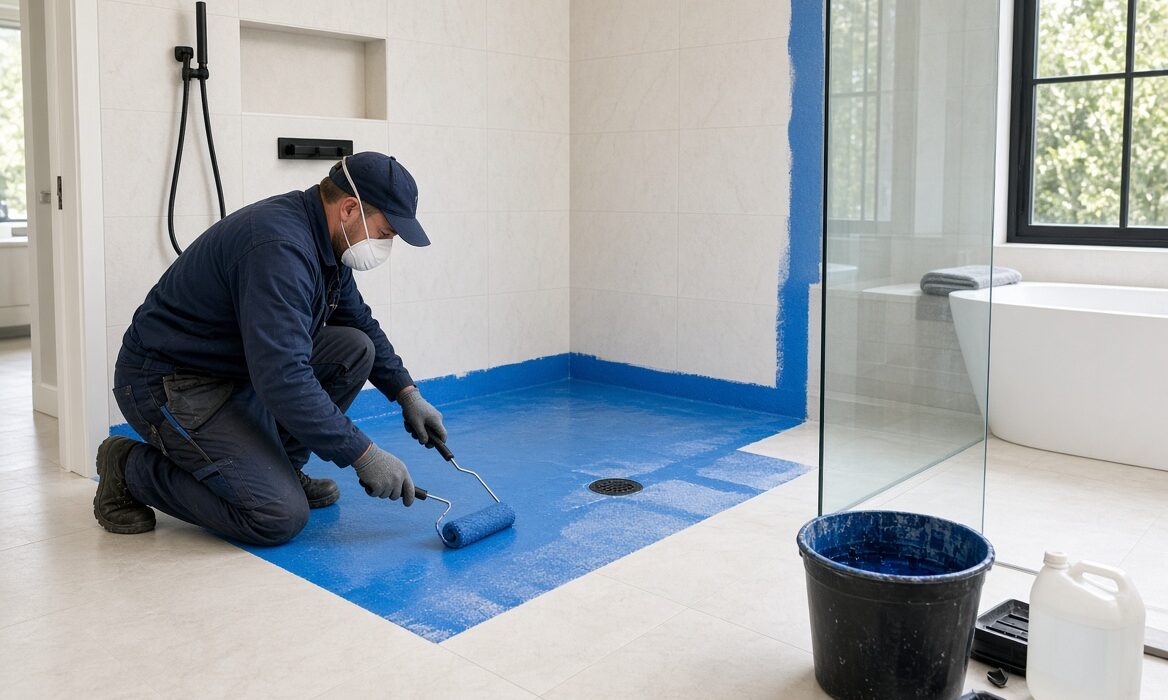
Liquid membranes are applied to prepared surfaces and cure to form a protective barrier.
They are commonly used in bathroom construction where suitable.
Advantages
Liquid systems can accommodate various surface shapes and junction details when correctly installed.
Considerations
Coverage, thickness, curing and product compatibility are essential.
Sheet Membranes
Sheet membranes are manufactured waterproofing materials installed over suitable substrates.
Advantages
They provide a manufactured membrane layer with defined material characteristics.
Considerations
Seams, overlaps, corners and penetrations require careful detailing.
Cementitious Waterproofing Systems
Certain cement-based systems may be suitable for specified wet-area applications.
Considerations
Their suitability depends on the substrate, intended use and manufacturer’s instructions.
Which Waterproofing System Is Best?
There is no universal best product.
The appropriate system depends on the bathroom design, substrate, drainage arrangement and applicable requirements.
Step-by-Step Shower Waterproofing Process
Proper installation follows a planned sequence.
Step 1: Assess the Bathroom
The shower layout, substrate, drainage and construction details are reviewed.
Step 2: Prepare the Surfaces
Surfaces are cleaned and prepared to suit the membrane system.
Step 3: Repair Substrate Defects
Cracks, unstable materials and unsuitable surfaces are addressed as required.
Step 4: Prepare Corners and Junctions
Bond breakers or other specified details are installed.
Step 5: Apply Primer
A compatible primer is applied where required.
Step 6: Install the Waterproofing Membrane
The membrane is applied or installed to the required coverage and configuration.
Step 7: Detail Penetrations
Pipes, fittings and drainage connections receive appropriate treatment.
Step 8: Allow Curing
The membrane is allowed to dry or cure according to the manufacturer’s requirements.
Step 9: Check the Installation
Required checks and inspections are completed before covering the membrane.
Step 10: Install the Tiled Finish
Suitable adhesives, tiles, grout and movement-joint materials are installed.
Shower Waterproofing Bentleigh: Common Bathroom Problems
Homeowners in Bentleigh may encounter a range of shower maintenance and waterproofing concerns.
Cracked Grout
Cracked grout can allow additional moisture movement through tile joints.
However, grout is not the primary waterproofing barrier.
Deteriorating Silicone
Failed sealant around suitable junctions may allow water to escape.
Loose Shower Tiles
Loose tiles can indicate problems with adhesive, movement or moisture-related deterioration.
Damp Adjoining Walls
Persistent moisture on walls outside the shower may indicate leakage.
Poor Drainage
Water pooling on the shower floor may indicate unsuitable falls or a drainage problem.
Hidden Membrane Damage
A concealed membrane defect may remain unnoticed until moisture affects surrounding materials.
Repeated Temporary Repairs
Repeatedly replacing grout or silicone without diagnosing the problem may not resolve an underlying leak.
Shower Waterproofing Toorak: Considerations for Renovated and Modern Bathrooms
Toorak properties include a variety of established and contemporary homes.
Bathroom designs may incorporate large-format tiles, frameless shower screens, walk-in showers and specialised finishes.
These features can create particular detailing requirements.
Frameless Glass Showers
Water containment, thresholds and junction details should be considered during design.
Walk-In Showers
Open showers may require waterproofing over a larger area than enclosed showers.
Large-Format Tiles
Tile size affects installation planning, drainage design and movement-joint requirements.
Luxury Bathroom Finishes
Natural stone and other specialised materials may require specific compatible products.
Multiple Shower Fixtures
Additional penetrations and fittings need suitable detailing.
Renovation of Existing Bathrooms
The condition of existing substrates should be assessed before new waterproofing is installed.
Shower Waterproofing vs Shower Regrouting
Waterproofing and regrouting are different services.
Shower Waterproofing
Waterproofing provides the required moisture protection beneath or behind finished surfaces.
Shower Regrouting
Regrouting replaces deteriorated grout between existing tiles.
Can Regrouting Fix a Leak?
Regrouting may address damaged joints, but it cannot reliably repair a failed concealed membrane.
When Is Regrouting Suitable?
Regrouting may be appropriate when tiles remain sound and the problem is limited to grout deterioration.
When Is Waterproofing Repair Necessary?
A confirmed membrane defect may require removing tiles and reconstructing the affected wet area.
The correct approach depends on identifying the actual cause.
Can You Waterproof a Shower Without Removing Tiles?
Some products are marketed for use over existing tiled surfaces.
However, not every surface treatment is suitable for repairing a leaking shower.
Surface Sealers
Certain sealers may improve resistance to moisture absorption in suitable materials.
Grout Sealers
Grout sealers can help maintain some grout products.
Surface Coatings
Specialised coatings may have particular applications, subject to their approved uses.
Limitations
These treatments do not automatically replace a failed concealed waterproofing system.
When Tiles Must Be Removed
Tile removal may be necessary where the membrane, substrate or drainage assembly has failed.
Why Proper Diagnosis Matters
Before choosing a repair, identify whether the leak comes from plumbing, sealant, grout, drainage or concealed waterproofing.
Signs Your Shower Waterproofing May Be Failing
Waterproofing defects can produce several warning signs.
Persistent Dampness
Moisture appearing on walls or floors outside the shower should be investigated.
Peeling Paint
Paint deterioration near the bathroom may indicate water exposure.
Swollen Skirting Boards
Moisture-sensitive materials can swell when exposed to water.
Mould Growth
Persistent mould may indicate excess moisture, although ventilation and condensation can also contribute.
Loose Tiles
Tiles that move or detach may indicate problems beneath the finished surface.
Musty Odours
Unusual smells can suggest concealed dampness.
Water Stains Below the Bathroom
Leaks in upper-floor showers may affect ceilings or rooms below.
What Should You Do?
Stop using a shower that is causing ongoing water damage and arrange an appropriate assessment.
Why Shower Waterproofing Fails
Waterproofing systems can fail because of material, design, installation or subsequent damage.
Poor Surface Preparation
Unsuitable substrates can interfere with membrane adhesion.
Incorrect Membrane Thickness
Liquid membranes must meet the specified application requirements.
Inadequate Junction Detailing
Corners and wall-to-floor connections need suitable treatment.
Poor Drain Connections
Defective membrane-to-drain details can allow water penetration.
Incorrect Material Compatibility
Primers, membranes, sealants and adhesives must work together.
Insufficient Curing
Rushing the construction sequence can affect product performance.
Building Movement
Movement may stress parts of the wet-area assembly.
Damage During Later Work
Drilling or fixture installation may damage concealed waterproofing.
How Much Does Shower Waterproofing Cost in Bentleigh and Toorak?
The cost depends on the bathroom’s size, condition and required work.
A new shower waterproofing installation differs substantially from repairing a failed wet area.
Shower Size
Larger showers generally require more materials and labour.
Substrate Preparation
Damaged or unsuitable surfaces may need repairs.
Waterproofing System
Material and installation costs vary between systems.
Shower Design
Open showers, niches, benches and multiple penetrations can increase complexity.
Existing Tiles
Repair projects may require demolition and disposal.
Drainage Work
Drain modifications or floor reconstruction can add costs.
Waterproofing Documentation
Required inspections and documentation may form part of the project.
Request a Detailed Quote
A quotation should explain preparation, materials, waterproofing, associated tiling and exclusions.
How Long Does Shower Waterproofing Take?
The installation timeline depends on the project and product requirements.
Surface Preparation
Damaged substrates may need additional work before waterproofing begins.
Membrane Application
Some systems require multiple coats or installation stages.
Drying and Curing
Environmental conditions can affect curing.
Inspection
Required checks must be completed before covering the membrane.
Tiling
Tile installation and grout curing add time to the overall project.
When Can You Use the Shower?
The shower should not be used until the relevant products and completed assembly are ready according to manufacturer and contractor instructions.
How Long Does Shower Waterproofing Last?
A properly designed and installed system is intended to provide durable moisture protection.
However, no universal lifespan applies to every bathroom.
Material Quality
The membrane must be suitable for the application.
Installation Quality
Preparation, coverage and detailing affect performance.
Building Movement
Movement can place stress on wet-area components.
Drainage
Suitable drainage helps manage regular water exposure.
Maintenance
Damaged joints, fittings and seals should be addressed promptly.
Later Renovations
Changes to the bathroom can affect concealed waterproofing.
Bathroom Waterproofing and Tiling: Why Both Matter
Waterproofing and tiling must function as a compatible system.
Waterproofing Protects the Substrate
The membrane helps prevent water from reaching vulnerable building materials.
Tiles Provide the Finished Surface
Tiles contribute to the bathroom’s appearance and everyday usability.
Adhesive Compatibility
Tile adhesives must suit the selected membrane and tile materials.
Grout Selection
Grout should suit the application and joint dimensions.
Movement Joints
Suitable movement-joint details help accommodate expected movement.
Drainage Falls
Floor design must direct water toward the drain.
Explore our tiling and waterproofing services for suitable Melbourne projects.
Shower Waterproofing for Different Bathroom Designs
Different shower layouts require different waterproofing considerations.
Enclosed Showers
Shower screens and enclosures help contain water within the designated shower area.
Walk-In Showers
Open layouts may expose surrounding surfaces to additional splashing.
Hobless Showers
Level-entry showers require careful attention to waterproofing, waterstops and drainage.
Shower-Over-Bath Designs
These arrangements require appropriate treatment of bath junctions and surrounding surfaces.
Corner Showers
Wall junctions and enclosure connections are important details.
Showers with Niches
Recessed shelves introduce additional corners and surfaces that require waterproofing.
Showers with Benches
Seats and ledges need suitable waterproofing and drainage considerations.
How to Prevent Shower Waterproofing Problems
Regular maintenance cannot replace a properly installed membrane, but it can help identify defects early.
Inspect Grout
Look for missing, cracked or deteriorated joints.
Check Silicone
Inspect suitable sealant joints for separation or damage.
Keep Drains Clear
Remove debris that restricts drainage.
Maintain Ventilation
Use suitable ventilation to help control humidity.
Investigate Persistent Moisture
Do not ignore damp patches or water stains.
Avoid Unnecessary Drilling
Penetrating waterproofed surfaces can create leakage pathways.
Repair Plumbing Problems Promptly
Leaking fittings and connections should be assessed.
Follow Appropriate Cleaning Practices
Use products compatible with your tiles, grout and sealants.
Common Shower Waterproofing Mistakes to Avoid
Avoiding these mistakes can help protect the finished bathroom.
Assuming Tiles Are Waterproof
A tiled surface is not automatically a complete waterproofing system.
Skipping Surface Preparation
Poor preparation can affect membrane performance.
Choosing Incompatible Products
Components must be suitable for use together.
Ignoring Corners and Penetrations
These areas require careful detailing.
Applying Insufficient Membrane
Incorrect thickness or coverage can compromise the installation.
Rushing Curing Times
Products must be ready before the next construction stage.
Ignoring Drainage Falls
Poor drainage can cause persistent standing water.
Treating Regrouting as Waterproofing
Replacing grout does not repair a failed concealed membrane.
Choosing Based Only on Price
A low initial price may not reflect the complete scope or required quality.
Choosing a Shower Waterproofing Contractor in Bentleigh or Toorak
Selecting a suitable contractor is an important part of any bathroom project.
Check Relevant Qualifications
Confirm that the provider meets applicable Victorian registration or licensing requirements.
Ask About Waterproofing Systems
The contractor should explain the proposed products and application method.
Discuss Substrate Preparation
Ask what preparation and repairs are included.
Confirm Drainage Details
The shower’s floor falls and drainage connections should be considered.
Review Compliance Requirements
Discuss applicable NCC and Australian Standard provisions.
Request a Written Quote
The quotation should identify the work, materials and exclusions.
Ask About Documentation
Confirm what installation or compliance documentation will be provided where required.
Why Choose Aussie Tradies Group for Shower Waterproofing in Melbourne?
Aussie Tradies Group assists Melbourne homeowners with suitable tiling and waterproofing projects.
We understand that a successful bathroom renovation involves more than selecting attractive tiles and fixtures.
The condition of the substrate, waterproofing system, drainage and finished surfaces all contribute to the overall result.
Whether you are planning a bathroom upgrade in Bentleigh or reviewing a wet-area project in Toorak, understanding the requirements before starting work is essential.
Explore our services or learn more about Aussie Tradies Group.
Frequently Asked Questions About Shower Waterproofing Bentleigh
1. What is shower waterproofing?
Shower waterproofing involves installing a suitable system that helps prevent water from reaching moisture-sensitive materials beneath or behind the finished shower surfaces.
2. Is shower waterproofing necessary in Bentleigh?
Shower construction in Bentleigh must meet the applicable Victorian building requirements, including relevant wet-area waterproofing provisions.
3. How much does shower waterproofing cost in Bentleigh?
The cost depends on shower size, preparation, materials and whether existing surfaces need removal. A project-specific quote is the most reliable option.
4. Do Toorak homes need the same waterproofing standards?
Applicable requirements depend on building classification, construction details and project scope, not simply the suburb.
5. Can I waterproof a shower without removing tiles?
Some surface treatments have specific uses, but they do not automatically repair a failed concealed membrane.
6. How long does shower waterproofing take?
The timeline depends on surface preparation, membrane application, curing, inspections and tiling.
7. Are shower tiles waterproof?
Many tiles resist water, but grout joints and other openings can allow moisture movement. A suitable waterproofing system is still necessary.
8. What is the best waterproofing membrane for showers?
The best system depends on the substrate, shower design, drainage and applicable requirements.
9. Can regrouting fix a leaking shower?
Regrouting may repair damaged grout joints but cannot reliably correct a failed membrane or plumbing leak.
10. How do I know if my shower waterproofing has failed?
Possible signs include persistent dampness, loose tiles, peeling paint and water stains. A suitable inspection is needed to determine the cause.
11. Does waterproofing go under shower tiles?
In many tiled shower systems, the waterproofing membrane is installed beneath the finished tiled surface.
12. How long should waterproofing dry before tiling?
Drying and curing requirements depend on the specific membrane product and site conditions.
13. Can a shower leak cause structural damage?
Persistent water penetration can damage moisture-sensitive building materials and may lead to more serious deterioration if left unresolved.
14. What causes waterproofing membranes to fail?
Possible causes include poor preparation, incorrect application, incompatible materials, movement and later damage.
15. How can I get a shower waterproofing quote in Bentleigh or Toorak?
Provide the property location, shower dimensions, photographs and a description of the proposed work or existing problems. Confirm the scope and service availability with the contractor.
Final Thoughts: Protecting Bentleigh and Toorak Bathrooms from Water Damage
Shower waterproofing is one of the most important elements of a durable bathroom.
Whether you are renovating an older bathroom in Bentleigh or planning a contemporary shower in Toorak, the waterproofing system needs to suit the design and comply with the applicable building requirements.
A reliable result depends on proper preparation, compatible materials, careful junction detailing, suitable drainage and correct installation.
Homeowners should also understand that grout and silicone maintenance cannot replace a failed concealed waterproofing membrane.
If your bathroom shows signs of persistent moisture, arrange an appropriate assessment before committing to repairs.
By addressing waterproofing requirements early, you can make better renovation decisions and reduce the likelihood of avoidable water damage.