Why Do Floor Tiles Start Lifting or Popping Up?
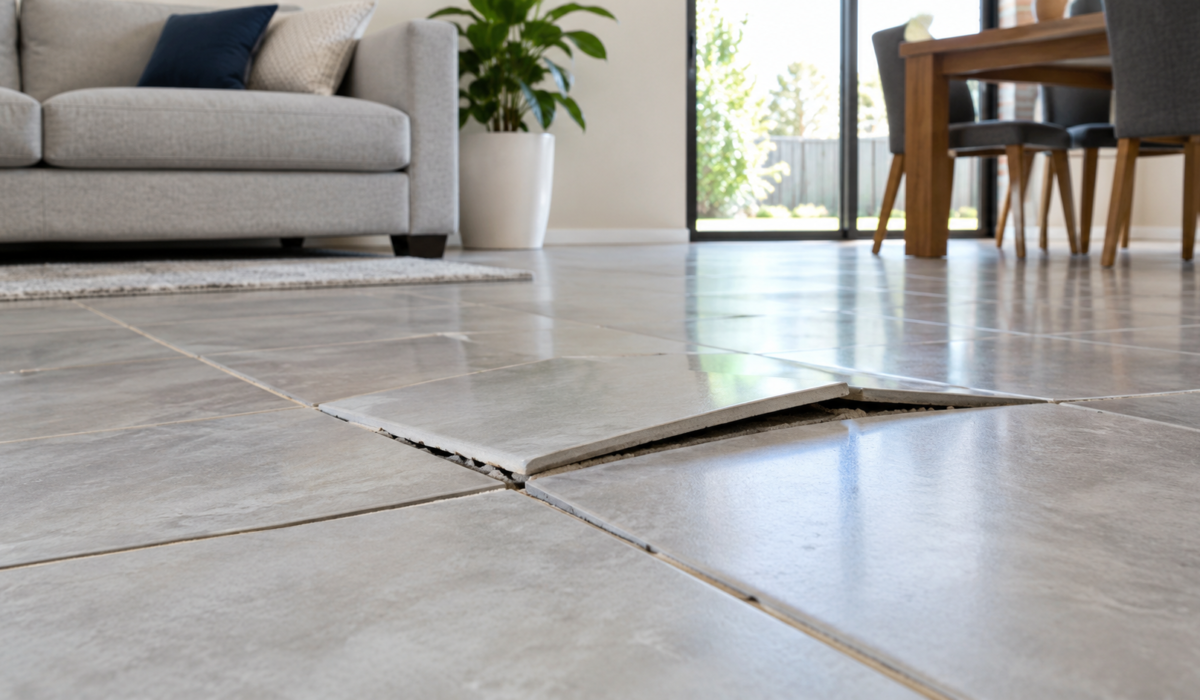
Floor tiles can start lifting, cracking or popping up when the materials underneath them move, expand or lose their adhesive bond. This problem, commonly known as tile tenting, occurs when pressure builds between the tiles and the underlying floor, causing individual tiles or entire sections to rise.
There are several reasons why floor tiles lift, including temperature changes, moisture penetration, poor adhesive application, inadequate floor preparation and missing expansion joints. Sometimes, the problem develops gradually with hollow-sounding tiles or cracked grout. In other cases, several tiles suddenly pop up with a loud cracking noise.
Understanding why floor tiles start lifting is important because simply replacing the damaged tiles may not solve the underlying problem. The cause needs to be identified before carrying out repairs to prevent the same issue from happening again.
In this guide, we explain the most common causes of lifting floor tiles, the warning signs to look for, how to prevent tile tenting and when professional tile repair is necessary.
What Causes Floor Tiles to Lift or Pop Up?
Floor tiles lift when the bond between the tile and the substrate becomes weaker than the forces acting on the tiled surface. As the tiles and underlying floor expand, contract or shift at different rates, pressure can build up until the adhesive bond fails.
The following are some of the most common causes of floor tiles lifting or popping up.
1. Temperature Changes and Thermal Expansion
Temperature changes are one of the major reasons floor tiles start lifting. Like other construction materials, ceramic and porcelain tiles expand when heated and contract when temperatures decrease.
However, the concrete or screed underneath the tiles may respond differently to temperature changes. This difference creates stress within the tiled floor.
For example, a floor exposed to direct sunlight through large windows may become significantly warmer than surrounding areas. As the tiles expand, they push against neighbouring tiles and surrounding walls.
If there is insufficient space for this movement, pressure gradually builds up. Eventually, the adhesive bond may fail, causing tiles to lift or pop upwards.
This problem is more likely in areas with significant temperature fluctuations, such as sunrooms, outdoor entertaining spaces and rooms with large windows.
2. Missing or Insufficient Expansion Joints
Expansion joints are essential for allowing tiled surfaces to move naturally without creating excessive pressure.
Tiles are generally installed with grout between them, but grout is not designed to accommodate all the movement that occurs within a floor. Flexible movement joints are needed at appropriate locations to absorb expansion and contraction.
When expansion joints are missing, incorrectly positioned or filled with rigid grout, the tiles may have nowhere to move.
This can result in:
- Cracked or deteriorating grout lines.
- Tiles pushing against neighbouring tiles.
- Hollow sounds beneath the flooring.
- Individual tiles becoming loose.
- Large sections of flooring lifting suddenly.
Movement joints are particularly important in large rooms, commercial spaces, outdoor areas and floors exposed to direct sunlight.
3. Poor Tile Adhesive Application
Incorrect adhesive application can weaken the connection between floor tiles and the underlying surface.
When tiles are installed, the adhesive must be suitable for the tile type, substrate and environmental conditions. It must also be applied correctly to provide sufficient contact between the two surfaces.
Several installation mistakes can cause bonding problems.
Insufficient adhesive coverage
If too little adhesive is applied, gaps can remain underneath the tiles. These unsupported areas reduce the overall bond and can make tiles more vulnerable to movement and cracking.
Incorrect adhesive selection
Different tiles and substrates require suitable adhesive products. Using an inappropriate adhesive can affect bonding performance, particularly with porcelain tiles or installations exposed to moisture.
Adhesive applied incorrectly
Applying adhesive in isolated blobs rather than achieving the required coverage can leave unsupported sections beneath the tile.
Over time, pressure, movement and regular foot traffic can cause these tiles to become loose.
4. Moisture Penetration Beneath Floor Tiles
Moisture is another potential reason floor tiles become loose or start lifting.
Water can enter the flooring system through damaged grout, cracked tiles, leaking plumbing, inadequate waterproofing or moisture coming from the substrate.
Depending on the materials involved, prolonged moisture exposure can weaken adhesive bonds or damage the underlying floor.
Bathrooms, laundries, kitchens and other wet areas require particular attention because they are regularly exposed to water.
Common warning signs include:
- Damp patches around tiled surfaces.
- Cracked or deteriorating grout.
- Loose tiles near showers or plumbing fixtures.
- Musty smells beneath the flooring.
- Water appearing through tile joints.
It is important to identify and resolve the source of moisture before replacing damaged tiles. Otherwise, the same problem may return.
5. Poor Floor Preparation Before Tiling
Proper surface preparation is essential for a long-lasting tile installation.
Before installing tiles, the substrate must be clean, stable, sufficiently flat and suitable for the selected adhesive.
Dust, grease, paint, loose concrete, old adhesive and other contaminants can interfere with bonding.
If tiles are installed over an unsuitable surface, the adhesive may attach to the contamination rather than the actual substrate. This can eventually cause the tiles to separate from the floor.
Floor preparation should also address uneven surfaces, cracks and existing structural problems before installation begins.
6. Concrete Shrinkage and Substrate Movement
Concrete continues to change after it is poured. During the curing process, it can shrink as moisture gradually leaves the material.
This movement can place stress on the tiled surface installed above it.
If tiles are installed before the concrete has reached an appropriate stage of curing, or if movement within the substrate is not properly accommodated, the adhesive bond may experience additional stress.
Structural movement can also occur because of:
- Building settlement.
- Floor deflection.
- Movement between different building materials.
- Changes in the underlying slab.
- Vibration or excessive loading.
These conditions may cause cracked grout, loose tiles or larger areas of tile tenting.
7. Heavy Loads and Physical Impact
Heavy furniture, equipment and concentrated loads can contribute to tile damage, particularly when the tiles have inadequate support underneath.
For example, placing heavy furniture on an area with existing adhesive gaps can increase pressure on unsupported sections.
Dropping heavy objects can also crack tiles and damage the bond beneath them.
Although heavy loads are not always the primary cause of tile tenting, they can make an existing installation problem worse.
What Are the Warning Signs of Lifting Floor Tiles?
Floor tiles do not always pop up without warning. In many cases, there are visible or audible signs that the flooring system is starting to fail.
Recognising these symptoms early can help prevent further damage.
Hollow Sounds When Walking on Tiles
One of the most common warning signs is a hollow sound when tapping or walking across tiled flooring.
A hollow sound may indicate that parts of the tile have lost contact with the adhesive or substrate.
However, not every hollow-sounding tile is necessarily loose or about to lift. The sound can also depend on the tile installation method and underlying floor construction.
If several neighbouring tiles sound different from the surrounding floor, a professional inspection can help determine whether there is a bonding problem.
Cracked or Loose Grout
Grout can crack when tiles move or when pressure builds within the flooring system.
If grout lines repeatedly crack in the same area, it may indicate movement beneath the tiles.
Loose grout can also allow water to enter the flooring system, potentially making an existing moisture problem worse.
Raised Tile Edges
Another warning sign is when the edges of individual tiles become noticeably higher than neighbouring tiles.
This can happen when tiles begin separating from the adhesive or when the underlying surface moves.
Raised edges also create a tripping hazard, particularly in hallways, kitchens and commercial spaces.
Tiles Moving Under Foot
If a tile shifts, clicks or moves slightly when someone walks over it, its bond may have deteriorated.
Loose tiles should not be ignored because repeated movement can damage surrounding grout and neighbouring tiles.
Sudden Cracking or Popping Sounds
Sometimes, floor tiles lift suddenly and produce a loud cracking or popping noise.
This is commonly associated with tile tenting. Pressure builds within the tiled surface until the bond fails and one or more tiles move upwards.
When this happens, the surrounding flooring should be inspected rather than assuming that only the visibly lifted tiles need replacement.
How to Prevent Floor Tiles From Lifting or Popping Up
Preventing tile tenting starts with proper installation, suitable materials and appropriate allowance for natural movement.
The following practices can help reduce the risk of floor tiles lifting.
1. Install Proper Movement Joints
Movement joints should be incorporated into the tile installation according to the size of the area, substrate conditions, sunlight exposure and expected temperature changes.
These joints allow the flooring system to expand and contract without placing excessive pressure on the tiles.
Perimeter movement joints and correctly designed intermediate joints are particularly important in larger tiled areas.
2. Use the Correct Tile Adhesive
Always select an adhesive suitable for the tile material, substrate and installation environment.
Porcelain tiles, natural stone and ceramic tiles may have different installation requirements.
Using the right adhesive and following the manufacturer’s instructions helps establish a reliable bond.
3. Prepare the Subfloor Properly
The substrate should be clean, stable and appropriately prepared before installing tiles.
Any loose material, dust, grease or existing surface contamination should be addressed.
Cracks, uneven areas and moisture-related problems should also be assessed before the installation begins.
4. Allow the Concrete to Cure Appropriately
New concrete needs sufficient curing time before tiling.
Installing tiles too early can expose the adhesive and tiled surface to additional stress from continued concrete shrinkage.
The appropriate waiting period depends on the concrete mix, thickness, environmental conditions and product specifications.
5. Use Appropriate Waterproofing in Wet Areas
Bathrooms, laundries and other wet areas need suitable waterproofing systems.
Waterproofing should be installed according to the applicable Australian requirements and the manufacturer’s specifications.
Damaged waterproofing, leaking plumbing and persistent moisture should be addressed before installing replacement tiles.
6. Ensure Adequate Adhesive Coverage
Tiles need sufficient adhesive contact to provide proper support and bonding.
Installers should follow the adhesive manufacturer’s recommendations for application, coverage, working time and installation conditions.
Correct trowel selection and application techniques help reduce unsupported areas beneath tiles.
7. Inspect Tiled Floors Regularly
Regular inspection can help identify small problems before they become more extensive.
Pay attention to cracked grout, loose tiles, hollow sounds, raised edges and damp areas.
Addressing these warning signs early may reduce the need for extensive flooring repairs.
How Do You Fix Floor Tiles That Are Lifting?
The correct repair method depends on why the tiles are lifting, how extensive the damage is and whether the underlying substrate is still suitable for tiling.
Replacing the visible damaged tiles without addressing the cause may only provide a temporary solution.
Step 1: Inspect the Affected Area
Start by examining the affected tiles and surrounding flooring.
Look for cracked grout, loose edges, moisture damage, hollow sounds and visible movement.
Determine whether the problem is limited to one tile or affects a larger section of the floor.
Step 2: Identify the Underlying Cause
Before beginning repairs, investigate why the tiles have lifted.
Possible causes include:
- Missing movement joints.
- Adhesive failure.
- Moisture penetration.
- Subfloor movement.
- Concrete shrinkage.
- Incorrect installation techniques.
If moisture or structural movement is suspected, these problems should be assessed before installing replacement tiles.
Step 3: Remove Damaged or Loose Tiles
Loose or severely damaged tiles may need to be carefully removed.
The surrounding tiles should be protected during removal to avoid unnecessary damage.
Any remaining adhesive, loose material or contaminated substrate should be removed as required.
Step 4: Repair and Prepare the Substrate
Once the tiles have been removed, inspect the exposed floor.
The substrate may need cleaning, levelling, crack treatment or other preparation depending on its condition.
Any moisture-related or structural issues should be resolved before proceeding.
Step 5: Reinstall Tiles Correctly
Replacement tiles should be installed using an appropriate adhesive and correct application method.
The installation should also include suitable movement joints where required.
Grout should be applied only after the adhesive has cured according to the manufacturer’s instructions.
Step 6: Check the Completed Installation
After repairs, inspect the finished surface to ensure the replacement tiles are properly positioned and the joints are finished correctly.
The repaired area should be allowed to cure before normal use resumes.
For widespread tile tenting, a larger section of flooring may require removal and reinstatement rather than isolated tile replacement.
Can You Walk on Floor Tiles That Are Popping Up?
Walking on severely lifted or unstable floor tiles is not recommended.
Raised tiles can create sharp edges and tripping hazards. Loose pieces may also break under pressure, potentially causing cuts or further damage.
If several tiles have suddenly lifted, restrict access to the affected area until it has been inspected.
Avoid forcing raised tiles back into position or covering them with heavy furniture or rugs. These approaches do not resolve the underlying problem.
Should You Replace One Lifted Tile or the Entire Floor?
You do not always need to replace the entire tiled floor when one tile becomes loose.
If the damage is isolated and the surrounding tiles remain securely bonded, replacing the affected tile may be sufficient.
However, widespread lifting, repeated adhesive failure or extensive substrate movement may require more comprehensive repairs.
Consider the following factors:
- One or two damaged tiles: Localised replacement may be suitable if the underlying cause is resolved.
- Several hollow or loose tiles: A wider inspection is recommended to identify the extent of bonding failure.
- Multiple tiles lifting together: The installation may have a movement-related or substrate problem.
- Repeated tile failures: Replacing individual tiles may not be effective without addressing the original installation issue.
A professional assessment can help determine the most practical repair option.
When Should You Call a Professional Tiler?
You should consider professional assistance when floor tiles repeatedly become loose, several tiles lift together or the flooring develops significant cracks and uneven sections.
Professional inspection is particularly important when:
- Multiple tiles have suddenly popped up.
- Large sections of flooring are raised.
- Tiles continue lifting after previous repairs.
- Water damage is suspected beneath the tiles.
- The floor has visible cracks or movement.
- The affected area creates a safety hazard.
An experienced tiler can assess the condition of the tiles, adhesive and substrate before recommending an appropriate repair.
For residential and commercial properties, addressing the underlying cause is essential for achieving a durable result.
Frequently Asked Questions About Lifting Floor Tiles
Why do floor tiles suddenly pop up?
Floor tiles can suddenly pop up when pressure builds between the tiles and the substrate. Temperature changes, missing movement joints, concrete shrinkage and adhesive failure can contribute to this problem. When the pressure becomes greater than the bond strength, tiles may lift suddenly.
Can heat cause floor tiles to lift?
Yes. Heat can cause tiles to expand. If the installation does not have sufficient movement joints, expansion can create pressure between neighbouring tiles and surrounding walls. This pressure can eventually cause tiles to buckle or detach.
Does water underneath tiles cause them to lift?
Yes, moisture can contribute to tile lifting by weakening adhesive bonds or damaging the underlying substrate. Leaking plumbing, damaged waterproofing and persistent moisture are possible sources.
Are hollow-sounding floor tiles a sign of a problem?
A hollow sound can indicate that a tile has lost some contact with the adhesive or substrate. However, hollow sounds do not always mean that a tile is loose. A professional inspection can help determine whether repairs are necessary.
Can lifted floor tiles be repaired without replacing them?
It depends on the extent of the damage and the condition of the existing tile. Some localised bonding problems may be repairable, but severely lifted or cracked tiles generally need replacement. The underlying cause must also be addressed.
Why do floor tiles lift in new houses?
Floor tiles in new houses can lift because of ongoing concrete shrinkage, insufficient movement joints, poor surface preparation or incorrect installation. Newly constructed buildings may also experience natural structural movement.
How can I stop floor tiles from popping up again?
Preventing repeated tile lifting requires correct subfloor preparation, suitable adhesive, adequate movement joints and appropriate moisture control. Identifying the original cause before repairing the tiles is essential.
Is tile tenting dangerous?
Yes. Lifted tiles can create uneven surfaces, sharp edges and tripping hazards. Large sections of unstable flooring should be kept clear until they can be assessed and repaired.
Final Thoughts
Floor tiles start lifting or popping up when the forces acting on the tiled surface become greater than the strength of the bond holding the tiles in place. Temperature changes, missing expansion joints, moisture penetration, poor adhesive application and substrate movement are some of the most common contributing factors.
Although replacing damaged tiles may appear to be a straightforward solution, identifying the underlying cause is equally important. Without correcting the original problem, new tiles may eventually experience the same failure.
Whether you are dealing with loose tiles, cracked grout or widespread tile tenting, proper surface preparation and professional installation techniques can help protect your flooring for years to come.
If your floor tiles are lifting or showing signs of damage, contact Aussie Tradies Group to discuss your tiling requirements and arrange professional assistance.
Explore Aussie Tradies Group for information about our tiling and waterproofing services.