Bathroom Tile Renovation
Bathroom Tile Renovation Bentleigh East | ATG
A bathroom renovation is an opportunity to improve the appearance, comfort and functionality of your home. Whether you want to replace outdated wall tiles, upgrade a shower or completely transform your bathroom, selecting the right materials and installation methods is essential.
For homeowners planning a bathroom tile renovation in Bentleigh East, the process involves more than choosing attractive tiles. Waterproofing, surface preparation, drainage, tile layout and grout selection all influence the finished result.
The same considerations apply to homeowners renovating bathrooms in Black Rock, where bathroom styles range from traditional interiors to modern, minimalist designs.
A carefully planned renovation can create a more practical bathroom, improve everyday maintenance and refresh an ageing interior.
At Aussie Tradies Group, we understand the importance of combining suitable tiling materials with proper preparation and waterproofing.
This guide explores bathroom tile renovation ideas, popular tile materials, installation steps, budgeting considerations and practical advice for Bentleigh East and Black Rock homeowners.
Why Renovate Your Bathroom Tiles?
Bathroom tiles experience regular exposure to water, cleaning products, temperature changes and everyday use.
Over time, even well-maintained tiles can become outdated, damaged or difficult to clean.
Refresh an Outdated Bathroom
Old tile colours and patterns may no longer suit your preferred interior style.
Replacing them can give the bathroom a completely different appearance without necessarily changing every fixture.
Repair Damaged Tiles
Cracked, chipped or loose tiles may require replacement.
Before installing new tiles, the cause of the damage should be assessed.
Improve Bathroom Functionality
A renovation may provide an opportunity to improve shower layouts, storage and floor finishes.
Make Cleaning Easier
Selecting suitable tile surfaces and grout can simplify ongoing cleaning.
Address Waterproofing Concerns
If the bathroom has experienced water damage, renovation work may allow the underlying waterproofing system to be inspected and repaired where necessary.
Create a More Cohesive Design
Coordinated wall and floor tiles can help create a consistent bathroom appearance.
Bathroom Tile Renovation Bentleigh East: Where to Start
The first step is to understand what your existing bathroom needs.
Some properties only require tile replacement, while others need a more extensive renovation.
Assess the Existing Tiles
Look for cracks, loose tiles, deteriorated grout and signs of moisture damage.
Check the Bathroom Layout
Consider whether the existing shower, vanity and toilet locations meet your needs.
Review Waterproofing Conditions
Persistent leaks or dampness should be investigated before new tiles are installed.
Set a Realistic Budget
Your budget should account for preparation, materials, labour and potential hidden defects.
Choose a Design Direction
Decide whether you prefer a modern, traditional, minimalist or natural bathroom style.
Plan the Work Sequence
Tiling needs to be coordinated with waterproofing, plumbing and other renovation activities.
Bathroom Tile Renovation Ideas for Black Rock Homes
Black Rock homeowners may prefer designs that combine practical materials with relaxed, contemporary styling.
The best design should suit the property rather than simply follow current trends.
Neutral Porcelain Tiles
Soft grey, beige and off-white porcelain tiles can create a clean, timeless appearance.
Natural Stone-Inspired Finishes
Stone-look tiles offer the appearance of natural materials with different maintenance characteristics.
Large-Format Wall Tiles
Large tiles can create a streamlined look with fewer visible grout joints.
Textured Feature Walls
A feature wall can introduce depth without overwhelming the room.
Coastal-Inspired Colours
Soft blue, sandy beige and warm white tones can suit coastal-inspired interiors.
Matte Floor Tiles
Suitable matte finishes can create a subtle, contemporary appearance.
For wet floors, choose tiles with appropriate slip resistance for the application.
Choosing the Best Bathroom Tiles
Tile selection is one of the most important decisions in a renovation.
Different materials have different performance and maintenance characteristics.
Ceramic Bathroom Tiles
Ceramic tiles are widely used for bathroom walls and suitable floor applications.
They are available in many colours, sizes and finishes.
Porcelain Bathroom Tiles
Porcelain tiles are generally dense and have low water absorption.
They are commonly used in bathrooms because of their durability and design options.
Natural Stone Tiles
Natural stone can create a distinctive finish.
However, some stone materials require additional sealing and maintenance.
Mosaic Tiles
Mosaic tiles are commonly used on feature walls and shower floors.
Their smaller size can help accommodate certain floor layouts.
Textured Tiles
Textured surfaces can offer visual interest and may provide suitable slip-resistant options.
Which Material Is Best?
The ideal tile depends on its location, intended use, slip resistance, maintenance requirements and compatibility with the installation system.
Bathroom Floor Tiles vs Wall Tiles
Floor and wall tiles have different performance requirements.
Bathroom Floor Tiles
Floor tiles need to be suitable for foot traffic and wet conditions.
Slip resistance is particularly important.
Bathroom Wall Tiles
Wall tiles offer greater flexibility in finishes and decorative styles.
However, their weight and installation requirements must suit the wall substrate.
Can Wall Tiles Be Used on Floors?
Not every wall tile is suitable for flooring.
Always check the manufacturer’s intended application.
Can Floor Tiles Be Used on Walls?
Some floor tiles can be installed on walls when the substrate, adhesive and fixing system are suitable.
Matching Floor and Wall Tiles
Using coordinated colours or finishes can help create a consistent appearance.
Popular Bathroom Tile Colours for Melbourne Homes
Tile colour influences the overall appearance of a bathroom.
White Bathroom Tiles
White tiles can create a bright, clean look.
Grey Bathroom Tiles
Grey provides a versatile neutral option for modern interiors.
Beige and Cream Tiles
Warm neutrals can make a bathroom feel inviting.
Black Feature Tiles
Dark tiles can create contrast, although water marks may be more noticeable on some finishes.
Green Bathroom Tiles
Muted green tones can introduce a natural aesthetic.
Blue Bathroom Tiles
Blue tiles can complement coastal-inspired designs.
Timber-Look Tiles
Timber-look porcelain tiles provide a wood-inspired appearance without using timber flooring in the wet area.
Large-Format Tiles vs Small Bathroom Tiles
Tile size affects both appearance and installation.
Large-Format Tiles
Large-format tiles can create a clean appearance with fewer grout joints.
However, they require suitable substrate flatness and careful installation.
Small Tiles
Smaller tiles offer flexibility for decorative layouts and some shower floor designs.
Mosaic Tiles
Mosaics can accommodate certain floor slopes and detailed areas.
Which Size Is Better for Small Bathrooms?
Both large and small tiles can work.
The best choice depends on the room dimensions, layout, drainage and preferred design.
Tile Layout Matters
Poorly planned cuts can affect the finished appearance.
A tile layout should be considered before installation begins.
Bathroom Waterproofing Before Tiling
Waterproofing is a critical part of many bathroom renovation projects.
Tiles and grout are not a substitute for a suitable waterproofing system.
Why Waterproofing Matters
Water can penetrate through joints and openings in a tiled surface.
A correctly installed waterproofing system helps protect moisture-sensitive materials.
Shower Waterproofing
Shower floors, walls and critical junctions require treatment according to applicable building requirements.
Waterproofing Membranes
Liquid-applied and sheet membrane systems are among the options used in suitable wet-area applications.
Surface Preparation
The substrate must be appropriate for the selected membrane.
Drainage Connections
Waterproofing around shower drains requires suitable detailing.
Australian Standards
Wet-area waterproofing must comply with the applicable National Construction Code requirements and relevant standards, including AS 3740 where used as the compliance pathway.
Why Professional Installation Matters
Incorrect preparation or application can lead to expensive defects beneath the new tiles.
Explore our tiling and waterproofing services for suitable Melbourne bathroom projects.
Step-by-Step Bathroom Tile Renovation Process
A bathroom tile renovation should follow a planned sequence.
Step 1: Initial Bathroom Assessment
The existing surfaces, layout and signs of damage are reviewed.
Step 2: Design and Tile Selection
Suitable wall tiles, floor tiles, grout colours and finishes are selected.
Step 3: Remove Existing Tiles
Old tiles are removed where required.
Demolition should account for potential hazardous materials in older buildings.
Step 4: Inspect the Substrate
Walls and floors are checked for damage, movement and moisture-related deterioration.
Step 5: Complete Necessary Repairs
Unsuitable materials are repaired or replaced.
Step 6: Prepare Drainage and Plumbing
Required plumbing and drainage work is coordinated with appropriately qualified trades.
Step 7: Install Waterproofing
The selected waterproofing system is installed in accordance with the applicable requirements.
Step 8: Allow Membrane Curing
Manufacturer-specified curing requirements must be met.
Step 9: Plan Tile Layout
Tile positioning, joint alignment and cuts are reviewed.
Step 10: Install Bathroom Tiles
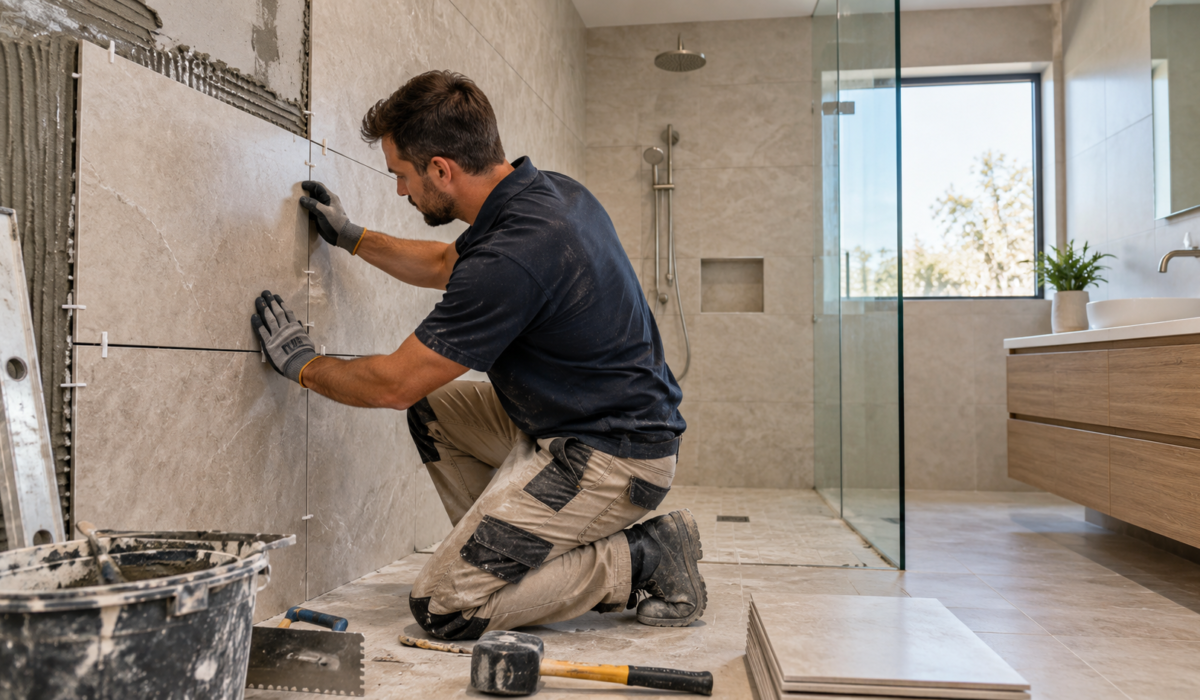
Compatible adhesives and appropriate installation techniques are used.
Step 11: Apply Grout and Sealants
Suitable grout and movement-joint materials are installed.
Step 12: Final Inspection and Cleaning
The completed tiled surfaces are reviewed and cleaned.
How Much Does Bathroom Tile Renovation Cost in Bentleigh East?
Bathroom tile renovation costs vary depending on the scope of work.
Replacing a small section of wall tiles generally involves less work than renovating an entire bathroom.
Bathroom Size
Larger rooms require more tiles and installation labour.
Tile Material
Ceramic, porcelain and natural stone products have different purchase and installation costs.
Tile Size
Large-format tiles may require additional preparation and handling.
Existing Tile Removal
Removing old tiles and disposing of waste can add to the project cost.
Substrate Repairs
Water damage or uneven surfaces may require additional work.
Waterproofing
Waterproofing preparation and installation affect the total renovation budget.
Plumbing Changes
Relocating fixtures can substantially increase costs.
Design Complexity
Decorative patterns, niches and detailed tile cuts require additional labour.
Getting an Accurate Quote
Request a written quotation that identifies materials, labour, preparation, waterproofing and exclusions.
How to Renovate a Bathroom on a Budget
A bathroom renovation does not always require replacing every fixture.
Keep the Existing Layout
Retaining suitable plumbing locations can help control costs.
Focus on High-Impact Surfaces
Replacing dated tiles may significantly improve the room’s appearance.
Choose Practical Materials
Suitable ceramic or porcelain tiles can provide a balance of appearance and durability.
Avoid Unnecessary Structural Changes
Major layout changes can increase the complexity of the project.
Compare Complete Quotations
Check what is included rather than comparing prices alone.
Allow for Unexpected Repairs
Older bathrooms may reveal hidden damage after demolition.
Do Not Compromise Waterproofing
Reducing necessary preparation or waterproofing work can create more expensive problems later.
Bathroom Tile Renovation for Small Bathrooms
Small bathrooms require thoughtful planning.
Use Coordinated Colours
A consistent colour palette can create a cohesive appearance.
Consider Large Wall Tiles
Larger wall tiles may reduce visual clutter.
Plan Storage Carefully
Wall-mounted storage can help maximise usable floor space.
Use Suitable Lighting
Good lighting can improve the room’s appearance and functionality.
Choose a Practical Shower Design
Shower layout should consider access, drainage and water containment.
Avoid Overly Complicated Patterns
Simple layouts can work well in compact spaces.
Shower Tile Renovation Ideas
The shower is often the main feature of a bathroom renovation.
Walk-In Shower Tiles
Modern walk-in showers can create an open appearance.
Feature Shower Walls
A contrasting tile can create a focal point.
Mosaic Shower Floors
Mosaic tiles may suit certain drainage designs.
Large-Format Shower Walls
Large tiles can create a streamlined finish.
Recessed Shower Niches
Niches provide storage but require careful waterproofing detailing.
Shower Floor Drainage
Tile selection must work with the required floor falls.
Bathroom Grout Selection and Maintenance
Grout influences the appearance and upkeep of a tiled bathroom.
Cement-Based Grout
Suitable cement-based grout products are commonly used in bathrooms.
Epoxy Grout
Epoxy grout can offer improved stain resistance in appropriate applications.
Grout Colour
Light grout creates a subtle appearance, while darker grout can emphasise tile patterns.
Movement Joints
Some corners and junctions require appropriate flexible materials rather than rigid grout.
Regular Cleaning
Use products compatible with the selected grout.
Grout Is Not Waterproofing
Even high-performance grout does not replace the required concealed membrane.
Common Bathroom Tile Renovation Mistakes
Avoiding common mistakes can improve the outcome of a renovation.
Choosing Tiles Based Only on Appearance
Tiles must also suit their intended application.
Ignoring Slip Resistance
Wet bathroom floors require appropriate consideration of slip resistance.
Skipping Substrate Preparation
Uneven or unstable surfaces can affect tile installation.
Poor Tile Layout
Unplanned cuts and misaligned joints can reduce visual appeal.
Using Incompatible Materials
Adhesives, membranes, grout and substrates must work together.
Rushing Waterproofing
Incorrect application or insufficient curing can affect performance.
Incorrect Shower Falls
Poor drainage may cause water to pool.
Forgetting Maintenance Requirements
Some materials require more maintenance than others.
How Long Does Bathroom Tile Renovation Take?
The timeline depends on the renovation scope.
Small Tile Repairs
Localised tile replacement may take less time than a complete renovation.
Partial Bathroom Retiling
Replacing selected tiled surfaces requires removal, preparation and installation.
Full Bathroom Renovation
A complete renovation involves coordination between several trades.
Waterproofing Curing
The selected membrane system may require specific drying and curing periods.
Grout and Adhesive Curing
The bathroom should not return to normal use until the materials are ready.
Unexpected Repairs
Hidden moisture damage or unsuitable substrates can extend the project.
A realistic schedule should include preparation, installation, curing and final checks.
Bathroom Tile Renovation Bentleigh East: Planning for Different Property Types
Bentleigh East contains a variety of residential property styles.
Bathroom renovation requirements depend on the existing construction rather than the suburb alone.
Older Family Homes
Older bathrooms may contain dated finishes or deteriorated substrates.
Modern Townhouses
Contemporary bathrooms may benefit from coordinated large-format tiles and practical storage.
Apartments and Units
Renovations may require consideration of strata or owners corporation requirements.
Investment Properties
Durable, maintainable finishes may be a priority.
Family Bathrooms
Slip resistance, cleaning and practical layouts are important considerations.
Bathroom Tile Renovation Black Rock: Design and Practical Considerations
Black Rock homeowners may prefer bathrooms that combine relaxed styling with practical finishes.
Coastal-Inspired Interiors
Soft neutrals and stone-look tiles can complement coastal-inspired designs.
Contemporary Bathrooms
Large-format porcelain tiles and minimal grout lines can create a modern appearance.
Traditional Homes
Classic tile patterns may suit established interiors.
Family Bathrooms
Durability and maintenance should guide tile selection.
Renovation Planning
Existing waterproofing, drainage and substrate conditions must be assessed before new tiles are installed.
How to Choose a Bathroom Tiling Contractor
Selecting a suitable contractor is an important part of renovation planning.
Relevant Experience
Ask about experience with bathroom wall and floor tiling.
Waterproofing Knowledge
The contractor should understand how the tile installation interacts with the waterproofing system.
Suitable Materials
Ask about tile adhesives, grout and membrane compatibility.
Written Scope
A quotation should identify the proposed work and exclusions.
Registration and Licensing
Check whether the particular combination and value of work requires registered or licensed practitioners under Victorian law.
Plumbing and Electrical Work
Engage appropriately qualified practitioners for regulated work.
Communication
Discuss design choices, timelines and any expected disruptions before starting.
Why Choose Aussie Tradies Group for Bathroom Tiling and Waterproofing?
Aussie Tradies Group assists Melbourne homeowners with suitable tiling and waterproofing projects.
We understand that bathroom renovations involve both design and practical construction considerations.
From choosing appropriate tiles to preparing surfaces and coordinating waterproofing requirements, careful planning helps create a bathroom suited to everyday use.
Whether you are considering a bathroom tile renovation in Bentleigh East or planning new bathroom finishes in Black Rock, understanding the scope before starting is essential.
Explore our services or learn more about Aussie Tradies Group.
Frequently Asked Questions About Bathroom Tile Renovation
1. How much does bathroom tile renovation cost in Bentleigh East?
The cost depends on bathroom size, tile selection, existing surface condition, waterproofing and installation complexity. A project-specific quotation is the best way to estimate the total.
2. Can I renovate bathroom tiles without replacing the whole bathroom?
Yes. Partial tile replacement may be possible when the existing surfaces and underlying waterproofing remain suitable.
3. What are the best tiles for bathroom floors?
Suitable porcelain and ceramic floor tiles are common choices. Slip resistance and intended use should guide selection.
4. Are large tiles good for small bathrooms?
Yes. Large tiles can create a streamlined appearance, provided the layout and installation conditions are suitable.
5. Do I need waterproofing when replacing bathroom tiles?
Waterproofing requirements depend on the area and scope of work. Removing tiles can damage existing membranes, so the waterproofing system must be assessed.
6. Can new tiles be installed over old bathroom tiles?
In some situations, tile-over-tile installation may be possible, but the existing tiles, substrate, waterproofing, levels and product compatibility must be assessed.
7. How long does bathroom tiling take?
The timeline depends on preparation, tile area, design complexity and curing requirements.
8. What tile colours make a bathroom look bigger?
Light colours and consistent finishes can help create a brighter, more open appearance.
9. Is porcelain better than ceramic for bathrooms?
Both can be suitable. The best option depends on the tile’s characteristics and intended use.
10. How do I choose shower floor tiles?
Consider slip resistance, drainage falls, tile dimensions and compatibility with the shower design.
11. Can I replace cracked bathroom tiles individually?
Sometimes. The surrounding tiles, substrate and waterproofing must remain suitable, and removal should not compromise concealed membranes.
12. Does bathroom retiling improve property value?
An attractive, functional bathroom may appeal to buyers, but any effect on property value depends on the market, renovation quality and overall property condition.
13. What is the difference between regrouting and retiling?
Regrouting replaces deteriorated grout between existing tiles. Retiling involves removing and replacing tiles.
14. Can bathroom tiles be waterproof on their own?
No. Tiles and grout do not automatically form a complete waterproofing system.
15. How do I get a bathroom tile renovation quote in Black Rock?
Provide bathroom dimensions, photographs, tile preferences and details of the proposed work. Confirm service availability and request a written scope.
Final Thoughts: Planning Your Bathroom Tile Renovation
A bathroom tile renovation can improve the appearance and functionality of your home, but the best results begin with careful planning.
For homeowners in Bentleigh East and Black Rock, choosing suitable tiles is only one part of the process.
Substrate preparation, waterproofing, drainage, adhesive compatibility and installation quality all influence the finished bathroom.
Whether you prefer a modern minimalist design, natural stone-inspired finishes or a traditional tiled bathroom, the materials should suit the space and its everyday use.
If your existing bathroom shows signs of water damage, investigate the cause before installing new tiles.
A well-planned renovation can help create a practical, attractive bathroom that is easier to maintain.