What Happens If Bathroom Waterproofing Fails?
When bathroom waterproofing fails, water can move beyond the areas designed to contain it and begin affecting walls, floors, fixtures, and the building materials underneath the tiles. A small waterproofing problem can gradually develop into dampness, mould, damaged surfaces, loose tiles, unpleasant odours, and expensive repairs. Understanding the signs of waterproofing failure and dealing with the problem early can help Melbourne homeowners prevent more serious bathroom damage.
What Is Bathroom Waterproofing?
Bathroom waterproofing is a protective system installed beneath or behind finished surfaces in areas exposed to water.
Its purpose is to help prevent water from penetrating into building materials where it can cause damage.
Waterproofing is particularly important around areas such as:
• Shower floors
• Shower walls
• Bathroom floors
• Wet area junctions
• Floor wastes
• Plumbing penetrations
• Shower niches
• Other areas exposed to regular water
Tiles and grout form the visible surface of the bathroom, but they should not be treated as the waterproofing system.
A bathroom can have attractive tiles and still develop serious moisture problems if the waterproofing underneath has failed.
What Happens When Bathroom Waterproofing Fails?
When waterproofing fails, moisture can reach areas that should remain protected.
Depending on the location and severity of the problem, this can lead to:
• Damp walls
• Moisture beneath tiles
• Mould growth
• Damaged plasterboard or wall materials
• Swollen timber
• Loose or damaged tiles
• Cracked grout
• Peeling paint
• Musty odours
• Damage to adjoining rooms
• Structural deterioration
• Expensive repair work
The longer the problem continues, the greater the potential for damage.
1. Water Can Enter the Building Structure
The primary purpose of waterproofing is to prevent water from reaching vulnerable building materials.
If the waterproofing membrane has been damaged, incorrectly installed, poorly joined, or has deteriorated, water may find a pathway into the underlying structure.
This moisture may not always be visible immediately.
The bathroom can look relatively normal while water is gradually moving into areas behind the finished surface.
2. Dampness May Appear Outside the Bathroom
One of the warning signs of a waterproofing problem is moisture appearing outside the immediate wet area.
For example, you may notice dampness:
• On an adjoining wall
• Around the bathroom doorway
• On the ceiling below
• Along skirting boards
• In a neighbouring room
This can happen when water travels through building materials before becoming visible.
A visible damp patch does not necessarily show the exact location where water entered.
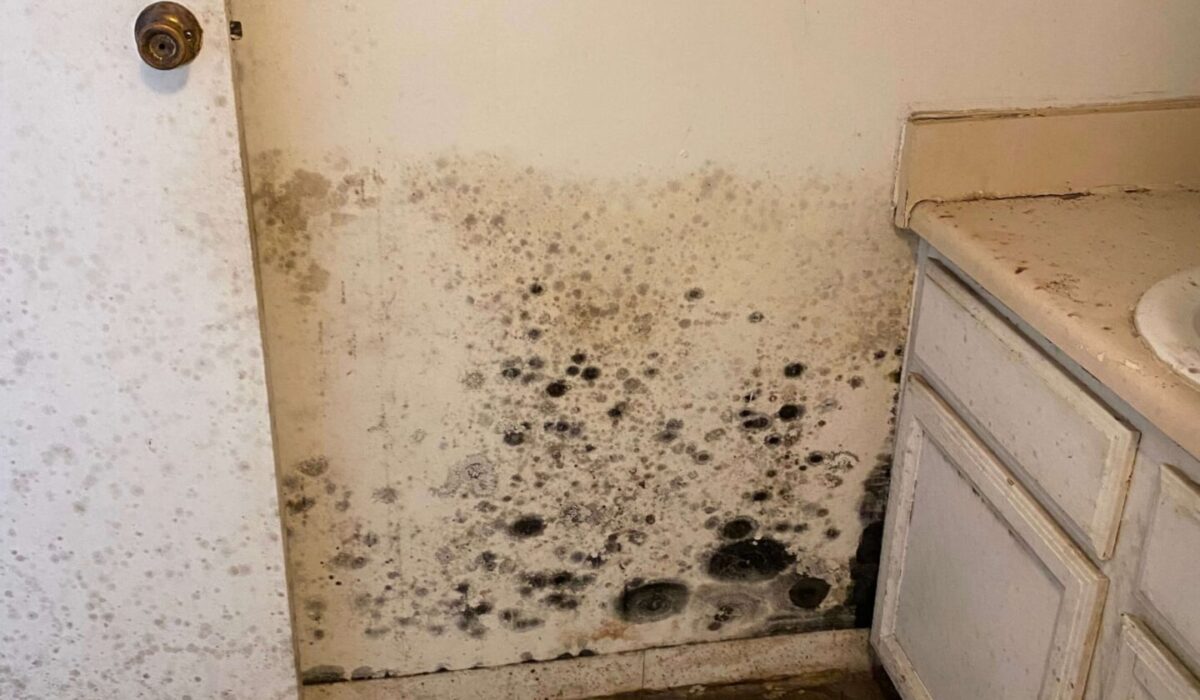
3. Mould Can Develop
Excess moisture creates conditions where mould can grow.
You may notice mould:
• Around shower areas
• Along grout lines
• In corners
• Around sealant
• On adjoining walls
• On ceilings below bathrooms
Mould should not automatically be assumed to be a waterproofing failure. Poor ventilation and condensation can also contribute to mould.
However, persistent mould combined with dampness or water movement should be investigated.
4. Tiles Can Become Loose
Water entering behind a tiled surface can contribute to deterioration of the underlying materials.
Over time, this may affect the stability of tiles.
Signs can include:
• Tiles moving when pressed
• Hollow sounding tiles
• Cracked tiles
• Tiles lifting from the surface
• Deteriorating grout
Loose tiles should not simply be glued back into place without determining why they became loose.
If moisture is present behind the tiles, the underlying problem needs to be addressed.
5. Grout Can Crack or Deteriorate
Cracked or deteriorating grout can have several causes.
Movement, poor installation, cleaning products, age, and general wear can all contribute.
However, widespread deterioration combined with persistent moisture can indicate that the bathroom needs further investigation.
Regrouting may improve the appearance of the surface, but it will not repair a failed waterproofing system.
6. Wall Materials Can Become Damaged
If water reaches materials that are not designed to remain wet, they can deteriorate over time.
Depending on the construction, moisture can contribute to:
• Swelling
• Softening
• Staining
• Crumbling
• Surface deterioration
• Loss of structural integrity
This is one reason waterproofing problems should be addressed as soon as they are suspected.
7. Timber Can Swell or Deteriorate
Where timber components are exposed to ongoing moisture, they can swell, distort, or deteriorate.
This may affect areas around:
• Bathroom floors
• Wall framing
• Door frames
• Skirting
• Adjoining structures
The extent of damage depends on how much water is entering the structure and how long the moisture has been present.
8. Water Can Reach the Ceiling Below
Bathrooms located above another room can create a particularly noticeable warning sign when waterproofing or plumbing problems occur.
You may notice:
• Ceiling stains
• Bubbling paint
• Damp patches
• Peeling paint
• Musty smells
• Visible water marks
Water coming through a ceiling does not automatically mean waterproofing has failed.
Plumbing leaks and other sources can produce similar symptoms.
A proper assessment is needed to identify the actual cause.
Waterproofing Failure vs Plumbing Leak
It is important to distinguish between a waterproofing problem and a plumbing problem.
Both can cause water damage, but the repair can be very different.
Waterproofing Failure
Waterproofing failure may occur when water from the wet area passes through or around the waterproofing system.
Possible causes include:
• Membrane damage
• Poor installation
• Inadequate detailing
• Failed junctions
• Problems around penetrations
• Movement
Plumbing Leak
A plumbing leak may occur within:
• Supply pipes
• Waste pipes
• Shower plumbing
• Tap connections
• Toilet connections
A plumbing leak can occur even when the waterproofing is correctly installed.
This is why identifying the source of the water is important before deciding what repair is required.
Common Causes of Waterproofing Failure
There is rarely one single cause of every waterproofing problem.
Common causes can include:
Poor Surface Preparation
The substrate needs to be appropriately prepared before waterproofing is applied.
Dust, contaminants, movement, or unsuitable surfaces can affect the performance of the waterproofing system.
Incorrect Waterproofing Installation
Waterproofing requires careful attention to details, junctions, penetrations, corners, and wet areas.
Poor workmanship can create weak points.
Damaged Waterproofing Membrane
A membrane can potentially be damaged during subsequent construction work.
Tiling, fixture installation, drilling, or other work can affect waterproofing if not carried out carefully.
Poor Detailing Around Penetrations
Plumbing penetrations require appropriate treatment.
If these areas are not properly detailed, they can become potential pathways for moisture.
Movement
Building movement can place stress on waterproofing and tiled surfaces.
The bathroom needs appropriate detailing to accommodate relevant movement.
Age and Deterioration
Older bathrooms may have waterproofing systems that have deteriorated over time.
The condition of an older bathroom should be assessed rather than assuming the waterproofing remains effective indefinitely.
Signs of Waterproofing Failure
Homeowners should pay attention to changes in and around the bathroom.
Potential warning signs include:
• Persistent dampness
• Musty smells
• Mould that keeps returning
• Water stains
• Loose tiles
• Cracked grout
• Peeling paint
• Swollen skirting
• Moisture in adjoining rooms
• Ceiling stains below the bathroom
• Persistent water around wet areas
• Unexplained deterioration of bathroom surfaces
One sign does not necessarily prove waterproofing failure.
The combination, location, and behaviour of the symptoms can provide useful clues.
Does Cracked Grout Mean Waterproofing Has Failed?
Not necessarily.
Cracked grout is common and can result from movement, installation issues, age, or normal wear.
However, cracked grout combined with dampness, loose tiles, mould, or water appearing outside the bathroom deserves further investigation.
Replacing the grout without identifying the cause may only provide a temporary cosmetic improvement.
Can Tiles Waterproof a Bathroom?
Tiles are not a substitute for a dedicated waterproofing system.
Even when tiles appear solid and well installed, moisture can potentially move through joints, gaps, cracks, penetrations, and other pathways.
The waterproofing system behind the finished surface performs an important protective function.
This is why waterproofing should be properly planned before tiling begins.
Can Regrouting Fix Waterproofing Failure?
Regrouting can address damaged grout, but it cannot automatically repair a failed waterproofing membrane.
If the waterproofing has failed behind the tiled surface, replacing visible grout may not solve the underlying issue.
A professional assessment should determine whether the problem is:
• Grout deterioration
• Failed sealant
• Waterproofing failure
• Plumbing leakage
• Drainage problems
• Damaged substrate
The correct repair depends on the actual cause.
What Happens If Waterproofing Failure Is Ignored?
Ignoring a waterproofing problem can allow moisture to continue affecting the building.
Over time, this may result in more extensive damage.
Damage Can Spread
Water does not necessarily remain directly underneath the location where it entered.
It can move through porous materials, joints, gaps, and structural elements.
This means the visible damage may be smaller than the actual affected area.
Repairs Can Become More Extensive
A small repair may become more complicated if moisture continues for an extended period.
What begins as a suspected grout or sealant problem could eventually involve tiles, wall materials, flooring, or other components.
Mould Problems May Continue
If moisture remains trapped or continually enters the building, cleaning visible mould may not solve the underlying cause.
The moisture source needs to be addressed.
Bathroom Surfaces May Deteriorate
Continued moisture can affect grout, sealants, tiles, paint, and other surfaces.
The longer the exposure continues, the more difficult restoration may become.
What Should You Do If You Suspect Waterproofing Failure?
If you notice signs of possible waterproofing problems, avoid immediately covering the affected area with new grout or sealant.
Instead:
- Identify where the symptoms are appearing.
- Check whether the problem occurs only after showers or continuously.
- Look for dampness in nearby rooms.
- Inspect visible grout and sealant.
- Check for loose or damaged tiles.
- Consider whether plumbing could be responsible.
- Arrange an appropriate inspection if the problem continues.
The goal should be to identify the source before deciding on the repair.
Can Waterproofing Be Repaired Without Removing Tiles?
This depends on the location and severity of the problem.
In some situations, a minor surface issue may be addressed without a complete bathroom renovation.
However, if the waterproofing membrane itself has failed beneath tiles, accessing and repairing the affected system may require removal of some or all of the surrounding finishes.
The appropriate solution depends on the construction, location of the failure, extent of damage, and condition of the existing bathroom.
Does Waterproofing Failure Always Mean a Full Bathroom Renovation?
No.
A waterproofing problem does not automatically mean the entire bathroom needs to be replaced.
The extent of the work depends on:
• Location of the failure
• Size of the affected area
• Condition of the tiles
• Condition of the substrate
• Extent of moisture damage
• Age of the bathroom
• Condition of plumbing
• Existing waterproofing system
In some situations, targeted repairs may be possible.
In other situations, removing affected finishes and rebuilding the wet area may be the more appropriate solution.
Waterproofing Problems in Older Melbourne Bathrooms
Melbourne has a wide range of residential properties, including older houses, renovated homes, townhouses, apartments, and newer developments.
Older bathrooms may have experienced several repairs or renovations over their lifetime.
This can make it more difficult to determine exactly how the existing wet area was constructed.
When renovating an older bathroom, it is worth checking the condition of:
• Existing tiles
• Grout
• Sealants
• Substrate
• Plumbing
• Drainage
• Waterproofing
Identifying problems before installing new finishes can help reduce the risk of repeating previous issues.
How Professional Waterproofing Can Help
Proper waterproofing requires more than simply applying a product to a bathroom surface.
The system needs to be appropriate for the application and installed with attention to:
• Surface preparation
• Wet area boundaries
• Corners
• Junctions
• Penetrations
• Floor wastes
• Shower areas
• Drainage
• Compatibility with other materials
Professional waterproofing and bathroom renovation services can help coordinate waterproofing with tiling and other stages of construction.
How to Reduce the Risk of Waterproofing Problems
Homeowners cannot eliminate every potential problem, but careful planning can reduce risk.
Use Suitable Materials
Waterproofing products and related materials should be appropriate for the intended application.
Prepare Surfaces Properly
The substrate should be suitable, clean, stable, and appropriately prepared.
Pay Attention to Details
Corners, junctions, penetrations, niches, and floor wastes require careful attention.
Coordinate Waterproofing and Tiling
The tiling process should not damage the waterproofing system.
Maintain Bathroom Ventilation
Reducing excessive moisture and humidity can help protect the bathroom environment.
Address Damage Early
Do not ignore persistent dampness, mould, leaks, or deteriorating surfaces.
Early investigation can help prevent more extensive damage.
Bathroom Waterproofing Failure Checklist
If you suspect a waterproofing problem, check for:
Visible Signs
• Damp patches
• Mould
• Water stains
• Peeling paint
• Cracked grout
• Loose tiles
• Damaged sealant
Moisture Signs
• Musty odours
• Persistent dampness
• Water outside the shower area
• Moisture in adjoining rooms
• Ceiling stains below the bathroom
Structural Signs
• Swollen timber
• Soft wall materials
• Deteriorated surfaces
• Damaged flooring
If several of these signs are present, professional assessment may be appropriate.
Frequently Asked Questions
What is waterproofing failure?
Waterproofing failure occurs when a bathroom waterproofing system no longer effectively prevents moisture from reaching areas that should remain protected.
What are the signs of failed bathroom waterproofing?
Common warning signs can include persistent dampness, mould, water stains, loose tiles, deteriorating grout, peeling paint, musty smells, and moisture appearing in adjoining areas.
Can failed waterproofing cause mould?
Yes. If waterproofing failure allows ongoing moisture into building materials, it can contribute to conditions that support mould growth. However, mould can also be caused by condensation and poor ventilation.
Does cracked grout mean the waterproofing has failed?
No. Cracked grout can have several causes. However, if cracked grout occurs alongside persistent moisture, loose tiles, mould, or water damage, the area should be investigated.
Can you waterproof over existing tiles?
The appropriate method depends on the existing construction and the nature of the repair. Waterproofing problems beneath tiles may require access to the affected area, which can mean removing some finishes.
Can regrouting fix a waterproofing problem?
Regrouting can repair deteriorated grout but does not automatically repair a failed waterproofing membrane.
How long does bathroom waterproofing last?
The service life depends on the quality of the system, installation, construction, movement, moisture exposure, maintenance, and other conditions. Older bathrooms should be assessed if there are signs of deterioration.
Does waterproofing failure require replacing the whole bathroom?
Not necessarily. The required repair depends on the location and extent of the failure and the condition of the surrounding bathroom.
Final Thoughts
Bathroom waterproofing plays an important role in protecting the building materials behind the visible tiles and fixtures. When waterproofing fails, moisture can gradually move into areas where it can cause mould, damaged surfaces, loose tiles, deteriorating materials, and more extensive repair requirements.
The most important step is to identify the actual source of the moisture. Cracked grout, mould, dampness, or loose tiles do not automatically prove that waterproofing has failed, but they should not be ignored when the problem persists.
If you suspect waterproofing failure in your Melbourne bathroom, professional assessment can help determine whether the issue is related to waterproofing, plumbing, drainage, grout, sealant, or another underlying problem.
Concerned about bathroom waterproofing? Get Free Strategy Session.