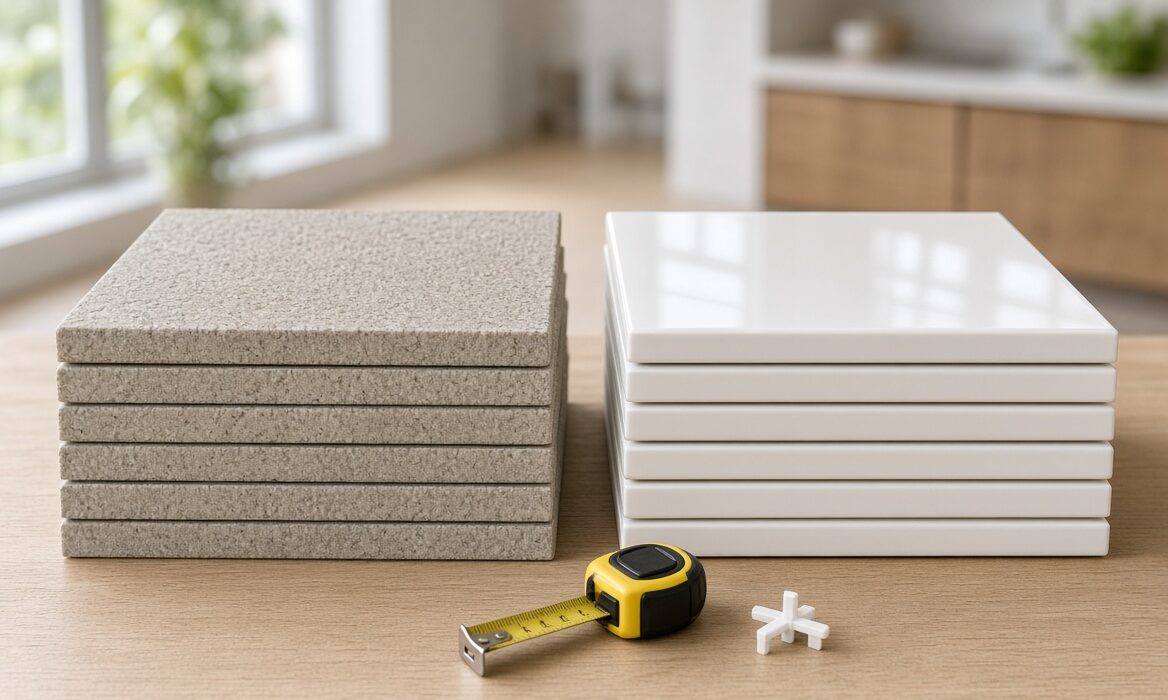
Porcelain vs Ceramic Tiles
Porcelain vs Ceramic Tiles: Which Is Better?
By Aussie Tradies Group
If you are standing in a tile showroom wondering about porcelain vs ceramic tiles, you are in good company. The two look similar on the shelf, they often sit side by side, and salespeople sometimes use the names almost like they mean the same thing. Yet they are different products with different strengths, different price points and different jobs they do best.
This guide explains the difference between porcelain vs ceramic tiles in plain language, so you can decide which one suits your home, your budget and your lifestyle. It is written by the team at Aussie Tradies Group, a local business based in Campbellfield that supplies tiling and waterproofing across Melbourne, backed by more than 25 years of practical experience. We lay both types of tile every week, so the advice here comes from real work on real sites.
Quick answer: Porcelain tiles are denser, harder and absorb less water, so they are better for floors, showers, outdoor areas and busy rooms. Ceramic tiles cost less and are easier to cut, so they suit walls, splashbacks and rooms with light foot traffic. Neither is always better. The right choice depends on where the tile will be used.
What Is the Difference Between Porcelain and Ceramic Tiles?
Both porcelain and ceramic tiles are made from clay that is shaped and fired in a kiln. The difference comes from the type of clay, the way it is pressed and the heat it is fired at. Porcelain uses a finer, denser clay that is pressed harder and fired at a higher temperature. Ceramic uses a coarser clay that is fired at a lower temperature.
Those small differences in manufacturing create big differences in performance. Porcelain ends up harder, denser and less porous. Ceramic ends up lighter, softer and a little more porous. Understanding this one idea explains almost every other difference in the comparison.
How Ceramic Tiles Are Made
Ceramic tiles start with natural clay, minerals and water. The mixture is shaped, covered with a glaze that carries the colour and pattern, then fired. Because the clay body is usually red, brown or white, the colour and pattern you see sit mostly on the glazed surface.
How Porcelain Tiles Are Made
Porcelain tiles use refined clay mixed with fine sand and other minerals. The mixture is pressed under high pressure and fired at a very high temperature. The result is a tile with a tight, dense body that absorbs very little water. Some porcelain tiles carry colour through the whole body, while others have a glazed surface like ceramic.
Porcelain vs Ceramic Tiles at a Glance
The table below gives a quick side by side view before we explore each point in detail.
| Feature | Porcelain tiles | Ceramic tiles |
|---|---|---|
| Density | High and very hard | Medium and softer |
| Water absorption | Very low | Low to medium |
| Strength | Excellent for heavy use | Good for light use |
| Price | Usually higher | Usually lower |
| Ease of cutting | Harder and needs special tools | Easier to cut |
| Weight | Heavier | Lighter |
| Outdoor use | Suitable | Not usually suitable |
| Best areas | Floors, showers, outdoors, commercial spaces | Walls, splashbacks, light use rooms |
Durability and Strength
Durability is where porcelain tiles pull ahead. The dense body resists chips, cracks and scratches far better than ceramic. Drop a heavy pan on a porcelain kitchen floor and it is very likely to survive. Drop the same pan on a ceramic floor and you may see a chip or a crack.
Which Tile Handles Heavy Foot Traffic?
Porcelain is the clear winner for busy areas such as hallways, kitchens, family bathrooms and shopfronts. It also holds up well in commercial spaces where thousands of feet cross the surface every week. Ceramic is perfectly fine for rooms that see less traffic, such as a guest bathroom wall or a decorative splashback.
Glazed Surface Wear
Ceramic tiles rely on their glaze for colour and protection. Over many years of heavy use, the glaze can wear and show the lighter clay beneath. Porcelain tiles that carry colour through the whole body hide wear much better because a small chip shows the same colour underneath.
Water Absorption and Moisture Resistance
This point matters a great deal for bathrooms, laundries and outdoor areas. Porcelain absorbs very little water, generally half of one percent or less. Ceramic absorbs more, so it is slightly more sensitive to moisture over time.
Why Water Absorption Matters
A tile that soaks up water can stain, grow mould or crack when temperatures swing. For wet areas, a tile with very low absorption is a safer choice. This is why porcelain is the preferred option for shower floors, bathroom floors and any space that stays damp.
A Reminder About Waterproofing
No matter which tile you pick, remember that tiles and grout are not waterproof on their own. Grout is porous and can crack as a house moves, so a proper waterproofing layer must sit underneath. You can learn more about bathroom waterproofing in Melbourne and why it must be completed before the first tile is laid.
Cost: Which Is More Affordable?
Ceramic tiles are usually cheaper to buy than porcelain tiles. The simpler manufacturing process keeps the price lower, and there is a very wide range of colours and styles at friendly prices. If your budget is tight, ceramic can free up money for other parts of your renovation.
Looking Beyond the Tile Price
The price on the box is only part of the story. Porcelain is harder to cut and drill, so installation can take a little longer and may cost more. On the other hand, porcelain lasts longer in demanding areas, which can save you from early repairs or replacement. A cheaper tile in the wrong place can end up costing more over time.
What Affects the Final Cost
- The size of the area being tiled
- The tile brand, finish and quality
- Tile size and layout, since large formats and patterns need more skill
- The condition of the walls and floors underneath
- Preparation work and waterproofing
- Whether old tiles must be removed first
Installation and Cutting
Ceramic tiles are softer, so they are easier for a tiler to cut and shape. This makes them popular for projects with many angles, curves and small cuts. Porcelain is much harder and needs diamond blades and more patience, but a skilled tiler handles it without trouble.
Weight and Handling
Porcelain is denser and heavier, especially in large formats. Heavy tiles need strong adhesive and careful handling on walls. Ceramic is lighter and often easier to fix to a wall, which is another reason it suits wall tiling so well.
Why Professional Installation Matters
Both tile types perform best when the surface is flat, clean and correctly waterproofed. A beautiful tile on a poor surface will still crack, lift or look uneven. Hiring an experienced team means the preparation, the waterproofing and the tiling are planned together. You can read more on our tiling and waterproofing page.
Appearance and Design Options
Both tile types come in a huge range of looks. Modern printing technology means that porcelain and ceramic can both imitate timber, marble, concrete and stone very convincingly.
Ceramic Design Strengths
Ceramic shines with classic glossy wall tiles, handmade looking finishes, bright colours and traditional shapes such as subway tiles. It is a favourite for kitchen splashbacks and feature walls where colour and shine matter most.
Porcelain Design Strengths
Porcelain offers very realistic stone and timber looks, large slab sizes and sleek matte surfaces. It suits modern homes where clean lines and fewer grout joints create a calm, spacious feel.
Best Choice by Room
The smartest way to answer the question of porcelain vs ceramic tiles is to look at each room separately.
Bathrooms
For bathroom floors and showers, porcelain is usually the better choice because it absorbs very little water and handles daily wetting well. For bathroom walls above the splash zone, ceramic works beautifully and can save money. Many homes use both, with porcelain on the floor and ceramic on the walls.
Shower Floors
Shower floors need grip and low water absorption. Small porcelain tiles or porcelain mosaics are an excellent option because they follow the slope to the drain and give good traction.
Slip Resistance
Always ask about the slip resistance rating of any floor tile, regardless of whether it is porcelain or ceramic. A smooth polished tile can be slippery when wet, while a matte or textured surface gives safer footing.
Falls and Drainage
The slope beneath the tiles must direct water steadily to the drain. A tiler checks the falls before laying the first tile, because a poor slope is very difficult to fix later.
Kitchens
Kitchen floors take a lot of wear from dropped items, spills and busy feet, so porcelain is the safer choice. Ceramic is ideal for splashbacks, where it is easy to wipe clean and does not face heavy impact.
Living Areas and Hallways
Porcelain is the better option for floors in living areas and hallways. It resists scratches from furniture, shoes and pets and keeps its look for many years.
Laundries
Laundries are wet and busy, so porcelain floors paired with ceramic wall tiles often give the best balance of strength and cost.
Outdoor Areas and Balconies
Porcelain is the clear choice outdoors. It handles rain, sun and temperature changes much better than ceramic. Choose a slip resistant outdoor rated finish and make sure the area is properly waterproofed and sloped for drainage.
Maintenance and Cleaning
Both tile types are easy to maintain when cared for properly. Porcelain is very resistant to staining because it is so dense, so spills wipe off easily. Ceramic with an intact glaze also cleans well, though chips in the glaze can let stains in over time.
Simple Care Tips
- Clean with a gentle pH neutral tile cleaner instead of harsh chemicals
- Wipe spills quickly, especially in kitchens and bathrooms
- Run the exhaust fan in bathrooms to reduce steam and mould
- Check grout and silicone once a year and repair small cracks quickly
- Replace any cracked or loose tile promptly so water cannot reach the layer below
Common Mistakes When Choosing Between Porcelain and Ceramic
Choosing Only by Price
The cheapest tile is not always the best value. A tile that suits the room and lasts longer often costs less in the long run.
Using Ceramic Where Porcelain Is Needed
Ceramic on a busy floor or an outdoor area can chip or crack early. Match the tile to the demands of the space.
Ignoring the Surface Underneath
Uneven walls and floors show up as uneven tiles, no matter how good the product is. Proper preparation is essential.
Skipping Waterproofing
This is the most expensive mistake of all. Wet areas need a proper waterproof layer before any tile goes down.
Forgetting to Order Extra
Always order about ten percent more tiles than your measurements to cover cuts and future repairs. Batches can vary slightly in colour, so keep spares from the same batch.
Which Is Better: Porcelain or Ceramic?
The honest answer is that porcelain is better for strength, water resistance and outdoor use, while ceramic is better for budget, easy cutting and wall applications. Neither wins every time. A well planned home often uses both, with each tile placed where it performs best.
A simple rule works for most homes. Choose porcelain for floors, showers, balconies and busy rooms. Choose ceramic for walls, splashbacks and light use areas where you want a lower cost or a particular glossy finish.
Questions to Ask Before You Buy
- Is this tile suitable for the room and for floor or wall use?
- What is its slip resistance rating?
- Is the colour through the body or only on the surface glaze?
- What adhesive and grout do you recommend?
- How much extra should I order?
- How long will delivery take?
Areas We Serve Across Melbourne
Aussie Tradies Group is based in Campbellfield and serves homeowners across northern, eastern and south eastern Melbourne. Our team regularly works in suburbs including Toorak, Doncaster, Box Hill, Hampton, Bentleigh, St Kilda and Hawthorn. If your suburb is not listed, please contact our team, because we can often help with projects in nearby areas. We also provide tree and stump removal for homeowners who need outdoor areas cleared before tiling.
Frequently Asked Questions About Porcelain vs Ceramic Tiles
Is porcelain better than ceramic tile?
Porcelain is better for strength, water resistance and heavy use, which makes it ideal for floors, showers and outdoor areas. Ceramic is better for tight budgets and wall tiling. The best choice depends on where the tile will be installed.
What is the main difference between porcelain and ceramic tiles?
The main difference is density. Porcelain is made from finer clay, pressed harder and fired hotter, so it is denser and absorbs very little water. Ceramic is made from coarser clay at lower temperatures, so it is softer and slightly more porous.
Are porcelain tiles more expensive than ceramic?
Usually yes. Porcelain costs more to make and can cost more to install because it is harder to cut. However, its durability can make it better value in demanding areas.
Which tile is better for a bathroom?
Porcelain is generally better for bathroom floors and shower areas because of its low water absorption. Ceramic works well on bathroom walls. Many bathrooms use both to balance performance and cost.
Can ceramic tiles be used outdoors?
Ceramic is generally not recommended outdoors because it absorbs more water and can crack with temperature changes. Porcelain is the better choice for balconies, patios and paths.
Are porcelain tiles harder to install?
Porcelain is harder to cut and drill, so it needs special tools and an experienced tiler. With the right team, installation is just as smooth and the finished result is excellent.
Do porcelain and ceramic tiles need waterproofing underneath?
Yes. In showers, bathrooms, laundries and other wet areas, both tile types need a waterproofing layer installed under them before tiling, because tiles and grout are not waterproof on their own.
Ready to Choose Between Porcelain and Ceramic Tiles?
When comparing porcelain vs ceramic tiles, think about the room, the amount of wear, your budget and the look you want. Choose porcelain where strength and moisture resistance matter most, and ceramic where cost and easy cutting help. Whichever you pick, great results come from good preparation, proper waterproofing and skilled installation.
Aussie Tradies Group provides tiling and waterproofing in Melbourne with clear quotes, tidy work sites and one team that stays responsible for the finished result. Call us on 0421 595 305, email info@atgltd.com.au or visit our contact page to request a free quote. You can also browse our full range of services or read more about our team before you decide.