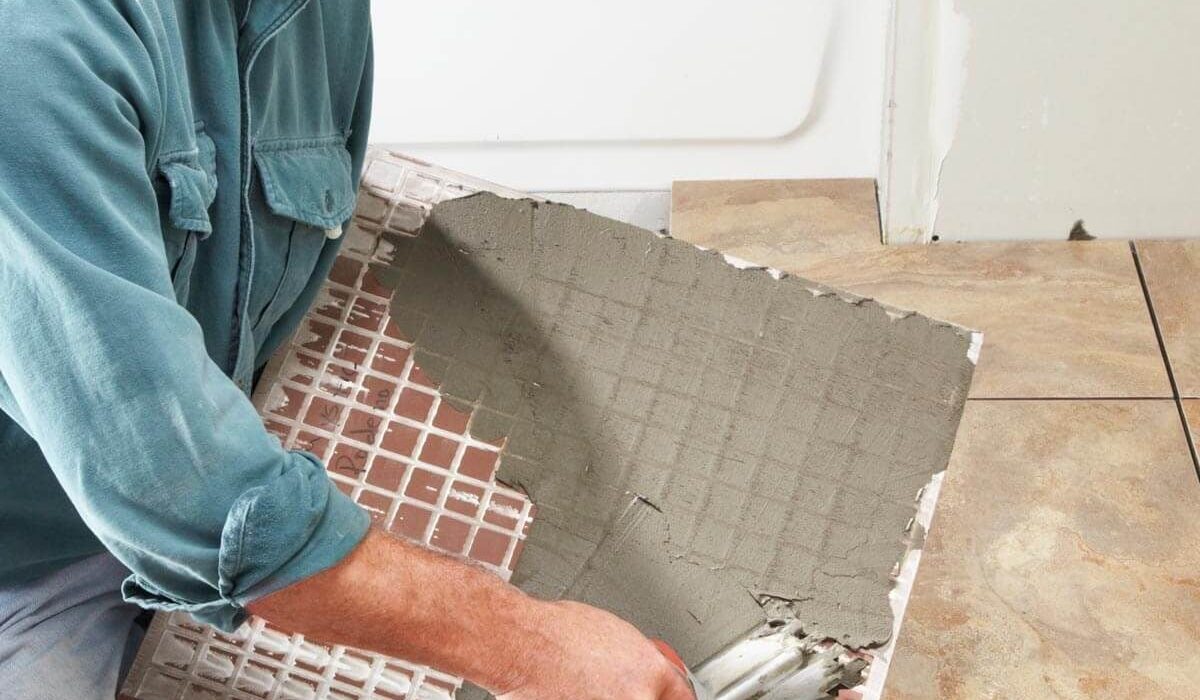
How Long Does Bathroom Tiling Take?
Bathroom tiling usually takes around 2 to 5 days for a standard bathroom when the surface is ready and the project does not involve major structural or plumbing changes. A complete bathroom renovation can take longer because waterproofing, surface preparation, plumbing, tile removal, drying times, and other work may need to be completed before the final tiles are installed.
The actual bathroom tiling time depends on the size of the bathroom, the type and size of tiles, the condition of the existing surfaces, the amount of preparation required, the complexity of the layout, and whether waterproofing is included in the project.
If you are planning a bathroom renovation in Melbourne, understanding the typical timeline can help you organise trades, choose materials, plan access to your home, and know what to expect during the installation.
How Long Does Bathroom Tiling Usually Take?
For a standard bathroom, the tiling itself can often be completed within a few days.
A typical project may include:
- Removing old tiles
- Preparing walls and floors
- Repairing the substrate
- Waterproofing wet areas
- Allowing required products to cure or dry
- Planning and setting out the tiles
- Cutting and installing tiles
- Allowing adhesive to set
- Grouting
- Applying silicone to relevant joints
- Final cleaning and inspection
Not every bathroom requires all of these steps.
A new bathroom with properly prepared surfaces may move faster than an older bathroom that requires extensive preparation.
Bathroom Tiling Time at a Glance
| Bathroom Project | Typical Time |
|---|---|
| Small bathroom floor tiling | 1 to 2 days |
| Small bathroom wall tiling | 1 to 2 days |
| Standard bathroom tiling | 2 to 5 days |
| Bathroom with extensive tile removal | 3 to 6 days |
| Complex bathroom tiling | 4 to 7+ days |
| Full bathroom renovation | Several weeks |
These are general planning estimates rather than guaranteed completion times. Every bathroom has different conditions.
What Affects Bathroom Tiling Time?
Several factors can change how long a bathroom tiling project takes.
1. Bathroom Size
The size of the bathroom is one of the most obvious factors.
A small ensuite with simple walls and a straightforward floor layout will generally require less installation time than a large family bathroom.
However, room size is not the only factor.
A small bathroom with many corners, niches, shelves, plumbing penetrations, and detailed tile patterns can take longer than a larger bathroom with simple surfaces.
2. Condition of Existing Surfaces
The condition of the walls and floor can have a major impact on the schedule.
If the existing substrate is flat, stable, clean, and suitable for tiling, preparation may be relatively straightforward.
If the surface is damaged or uneven, additional work may be required.
Possible preparation work includes:
• Removing damaged materials
• Repairing uneven surfaces
• Replacing unsuitable substrate
• Filling gaps
• Levelling floors
• Preparing wall surfaces
• Removing old adhesive
• Addressing moisture damage
Proper preparation is important because tiles need a suitable surface underneath them.
3. Tile Removal
If the bathroom already has tiles, removing them can add significant time.
Old tiles may come away relatively easily in some bathrooms.
In other cases, tiles may be firmly bonded or installed over multiple previous layers.
Removing old tiles can also reveal problems that were hidden underneath.
For example, the installer may discover:
• Damaged substrate
• Water damage
• Old waterproofing issues
• Uneven walls
• Crumbling materials
• Plumbing problems
When unexpected issues are discovered, the original schedule may need to change.
How Long Does It Take to Remove Bathroom Tiles?
Tile removal can take anywhere from several hours to multiple days depending on the bathroom.
A small area with easy to remove tiles may be completed quickly.
A full bathroom with firmly bonded tiles, multiple layers, or difficult access can take considerably longer.
After removing the tiles, the surface should be inspected before new tiles are installed.
Rushing directly from tile removal to new installation can create problems if the substrate is not properly prepared.
How Long Does Bathroom Waterproofing Take?
Waterproofing can add time to a bathroom tiling project because the waterproofing system needs to be properly prepared and allowed to cure or dry according to the product requirements.
The exact timeframe depends on:
• Size of the wet area
• Condition of the substrate
• Number of waterproofing stages
• Product requirements
• Temperature and environmental conditions
• Surface preparation
• Number of coats or layers required
Waterproofing should not be rushed simply to make the project finish sooner.
A properly prepared waterproofing system is an important part of a bathroom installation.
Can You Tile Immediately After Waterproofing?
Not necessarily.
The waterproofing product needs to meet its required curing or drying conditions before the next stage begins.
The exact waiting period depends on the waterproofing system and manufacturer’s requirements.
Starting tiling too early can compromise the installation.
A professional tiler should follow the product requirements rather than guessing based on appearance.
How Long Does Bathroom Floor Tiling Take?
A straightforward bathroom floor can often be tiled within one day once the surface is properly prepared.
However, preparation can take longer than the actual tile installation.
Floor tiling may involve:
• Removing existing flooring
• Preparing the substrate
• Checking levels
• Creating appropriate falls
• Planning tile positions
• Cutting tiles
• Installing tiles
• Allowing adhesive to set
• Grouting
The presence of a floor waste can also affect the layout and cutting requirements.
How Long Does Bathroom Wall Tiling Take?
Wall tiling can take between one and several days depending on the size and complexity of the bathroom.
A simple wall with large format tiles may be relatively quick to cover.
A bathroom with small tiles, multiple niches, shelves, corners, windows, plumbing fixtures, and decorative patterns can require considerably more cutting and detailing.
Large format wall tiles
Large tiles can reduce the number of individual pieces that need to be installed.
However, they also require careful handling, accurate setting out, and a suitably prepared surface.
A large tile does not automatically mean a faster installation.
How Long Does Shower Tiling Take?
A shower area can take longer than a straightforward bathroom wall because there are more details to consider.
The installer may need to work around:
• Shower niches
• Shower screens
• Plumbing fittings
• Corners
• Floor wastes
• Changes in tile direction
• Drainage falls
The shower also requires appropriate waterproofing before tiling.
Because it is a high moisture area, the installation should prioritise correct preparation rather than simply completing the work as quickly as possible.
How Long Does Grouting Take?
Grouting itself may not take very long in a standard bathroom, but the timing depends on the size of the area, tile size, grout joint width, and complexity of the layout.
Once the tiles are installed and the adhesive has reached the required stage, the grout can be applied according to the product requirements.
Grout then needs appropriate curing time before the bathroom is subjected to normal use.
How Long Before You Can Use a Newly Tiled Bathroom?
The answer depends on the products used and the complete installation.
Tile adhesive, grout, silicone, waterproofing, and other materials may have different curing requirements.
It is important to follow the manufacturer’s instructions for each product.
Using a shower too soon after installation can expose fresh materials to water before they have properly cured.
This can affect the finished result.
Why Bathroom Tiling Can Take Longer Than Expected
Homeowners sometimes expect tiling to be completed quickly because the visible installation process appears straightforward.
However, much of the important work happens before the tiles are placed.
Preparation can include:
• Removing existing materials
• Repairing walls
• Preparing floors
• Checking levels
• Waterproofing
• Measuring
• Planning the layout
• Cutting tiles
• Preparing corners and junctions
A professional installation should not skip these steps simply to reduce the project duration.
How Tile Size Affects Installation Time
Tile size can influence installation time in different ways.
Small tiles
Small tiles involve more individual pieces and generally more grout joints.
This can increase installation and grouting time.
Mosaic tiles can be particularly detailed because the installer needs to maintain consistent alignment between sheets and individual pieces.
Medium tiles
Medium sized tiles offer a balance between installation speed and design flexibility.
They can work well in bathrooms with standard layouts.
Large tiles
Large format tiles cover more surface area per piece.
However, they require careful handling and accurate positioning.
They may also require more preparation if the walls or floor are uneven.
How Tile Pattern Affects Bathroom Tiling Time
A simple straight layout is generally easier to install than a detailed pattern.
Patterns such as:
• Herringbone
• Chevron
• Basketweave
• Offset patterns
• Decorative mosaics
• Complex geometric designs
can require additional planning and cutting.
Patterned layouts also require the installer to pay close attention to alignment.
If you are choosing a decorative tile pattern, allow additional time in your project schedule.
Does Waterproofing Add to the Tiling Timeline?
Yes.
Waterproofing is a separate stage of bathroom construction and should be completed before tiling begins in relevant wet areas.
The timeline may therefore look like:
Surface preparation → Waterproofing → Required curing time → Tiling → Adhesive curing → Grouting → Final finishing
The exact schedule depends on the bathroom and products used.
Waterproofing should never be skipped or rushed simply to meet an artificial completion date.
How Long Does a Full Bathroom Renovation Take?
A complete bathroom renovation generally takes considerably longer than tiling alone.
A renovation may involve:
- Demolition
- Removal of existing fixtures
- Plumbing
- Electrical work
- Structural changes
- Wall preparation
- Floor preparation
- Waterproofing
- Tiling
- Cabinetry
- Vanity installation
- Shower installation
- Toilet installation
- Painting
- Final fixtures and finishing
Depending on the scope and coordination of trades, a full bathroom renovation can take several weeks.
Tiling may only represent one part of the overall schedule.
Bathroom Tiling Timeline Example
Consider a standard Melbourne bathroom renovation where the old tiles need to be removed.
A possible sequence could look like this:
Day 1
Existing tiles and selected fixtures are removed.
The walls and floor are inspected.
Day 2
Surface preparation begins.
Damaged or uneven areas are repaired.
Day 3
Waterproofing is applied where required.
Day 4
Required curing or drying time is allowed.
Day 5
Floor and wall tiling begins.
Day 6
Tiling continues and detailed cuts are completed.
Day 7
Grouting and finishing work begins.
This is only an example.
Some projects will take less time, while others can take significantly longer.
How Long Does a Small Bathroom Take to Tile?
A small bathroom can sometimes be tiled within two to three working days once all surfaces are ready.
However, if the project includes tile removal, substrate repairs, waterproofing, complex tile patterns, or extensive cutting, the timeline can increase.
Small bathrooms are not always faster because they can contain many detailed areas within a limited space.
For example, a compact bathroom may include a shower niche, wall hung vanity, toilet, floor waste, window, multiple corners, and plumbing penetrations.
Each detail requires careful cutting and finishing.
How Long Does a Bathroom Tiler Take to Tile a Shower?
A straightforward shower can often be tiled within one to two days once waterproofing and preparation are complete.
A complex shower with large format tiles, mosaics, niches, feature patterns, multiple corners, or unusual dimensions may take longer.
The waterproofing and preparation stages should also be included when planning the complete shower timeline.
What Can Delay a Bathroom Tiling Project?
Several unexpected issues can affect the schedule.
Hidden Water Damage
Removing old tiles can reveal moisture damage that needs to be repaired.
Uneven Walls
Walls may need additional preparation before tiles can be installed.
Plumbing Problems
Old or damaged plumbing may need to be repaired before the tiling stage.
Material Delays
If selected tiles are unavailable or delayed, installation may need to be rescheduled.
Custom Tile Orders
Special order tiles can have longer lead times.
Complex Designs
Detailed patterns require additional setting out and cutting.
Changes During Installation
Changing tile selections or layouts after work has started can add time.
For this reason, it is best to finalise tile selections and layout decisions before installation begins.
How Can You Make Bathroom Tiling Faster?
The best way to keep a project on schedule is not to rush the tiler.
Instead, prepare properly before installation begins.
Choose your tiles early
Make sure the required quantity is available before the project starts.
Finalise the layout
Decide how you want the tiles positioned before installation.
Prepare the bathroom
Remove personal items and make sure the installer has suitable access.
Confirm other trades
Plumbing and electrical work should be coordinated so that they do not interrupt the tiling stage.
Allow proper drying time
Do not ask installers to skip curing or drying periods.
Expect some flexibility
Older bathrooms can reveal unexpected problems once the existing surfaces are removed.
Building some flexibility into the schedule can prevent unnecessary stress.
Why Rushing Bathroom Tiling Can Cause Problems
A bathroom is a high moisture environment.
The installation needs to be completed carefully because mistakes can affect both appearance and performance.
Rushing can contribute to:
• Poor tile alignment
• Uneven surfaces
• Inconsistent grout joints
• Inadequate preparation
• Poor waterproofing integration
• Incorrect falls
• Weak finishing around corners
• Premature use of the bathroom
A slightly longer installation is often preferable to correcting preventable problems later.
How to Plan Your Bathroom Tiling Timeline
If you are planning a bathroom tiling project in Melbourne, start by establishing the full scope.
Ask:
- Are existing tiles being removed?
- Does the substrate need repairs?
- Is waterproofing required?
- Are plumbing changes needed?
- What tile size will be used?
- Is the tile pattern complex?
- Are there shower niches?
- How many corners and cuts are involved?
- Are the tiles already available?
- When can the bathroom safely be used again?
Having answers to these questions will give you a much more realistic estimate of the project duration.
Frequently Asked Questions
How long does bathroom tiling take?
A standard bathroom can often take around two to five days for tiling, depending on preparation, tile size, layout, and the condition of the surfaces. More complex projects can take longer.
How long does it take to tile a small bathroom?
A small bathroom may take around two to three days once the surfaces are ready. Tile removal, waterproofing, repairs, and complex designs can extend the timeline.
How long does bathroom waterproofing take before tiling?
The waterproofing stage depends on the size and condition of the wet area and the products being used. Required curing or drying times must be followed before tiling begins.
Can a bathroom be tiled in one day?
A very small and straightforward area may be tiled in one day if the surfaces are already prepared. A complete bathroom usually requires more time when preparation, waterproofing, cutting, and finishing are included.
How long after tiling can you shower?
The bathroom should not be used until the adhesive, grout, silicone, and other relevant materials have reached the required curing stage. Follow the product manufacturer’s instructions and the installer’s advice.
Does removing old tiles add much time?
It can. The time required depends on the number of tiles, how firmly they are bonded, the number of existing layers, and the condition of the substrate underneath.
Do large tiles take less time to install?
Not necessarily. Large tiles cover more area but require careful handling, accurate setting out, and a suitably prepared surface.
Does herringbone tiling take longer?
Usually, yes. Herringbone and other detailed patterns require more planning, cutting, and alignment than simple layouts.
Why does bathroom preparation take so long?
Preparation may include tile removal, surface repairs, levelling, waterproofing, layout planning, and other work. These steps are important for achieving a durable and properly finished installation.
Can I speed up my bathroom renovation?
Good planning can help avoid unnecessary delays. Selecting tiles early, confirming quantities, coordinating trades, and finalising the layout before installation can help keep the project moving.
Final Thoughts
The bathroom tiling time for a Melbourne project depends on much more than the size of the bathroom.
A straightforward bathroom with prepared surfaces may take only a few days to tile, while a bathroom requiring demolition, repairs, waterproofing, detailed patterns, or extensive cutting can take considerably longer.
The most important thing is to allow enough time for every stage of the installation.
Proper surface preparation, waterproofing, tile installation, adhesive curing, grouting, and final finishing all contribute to the quality of the finished bathroom.
If you are planning a bathroom renovation or need professional bathroom tiling in Melbourne, a detailed assessment can help you understand the expected timeline before work begins.
Get Free Strategy Session