7 Signs Your Bathroom Needs Waterproofing
Bathroom waterproofing problems can start small and become expensive if they are ignored. Peeling paint, mould, damp smells, loose tiles, cracked grout, and moisture appearing outside the shower can all indicate that water is getting where it should not. While some problems may have other causes, repeated or worsening moisture issues should be investigated before they damage walls, floors, or nearby rooms.
A bathroom should be designed to manage water through properly prepared surfaces, drainage, waterproofing, and suitable finishes. Tiles and grout provide the visible surface, but they should not be relied upon as the waterproofing system underneath.
If you have noticed changes in your bathroom that seem related to moisture, these 7 signs your bathroom may need waterproofing attention can help you understand what to look for and when professional assessment may be appropriate.
What Is Bathroom Waterproofing?
Bathroom waterproofing is the process of creating a moisture resistant barrier in areas where water is regularly present.
This is particularly important around wet areas such as showers, baths, bathroom floors, and other locations where water can reach the underlying structure.
A properly waterproofed bathroom helps prevent water from penetrating into building materials behind and beneath the finished surfaces.
Waterproofing is especially important because moisture that enters hidden areas may not become visible immediately.
By the time a homeowner notices staining, mould, damaged paint, or loose tiles, moisture may already have affected materials behind the surface.
7 Signs of Bathroom Waterproofing Problems
The most common warning signs include:
- Mould that keeps returning
- Peeling or bubbling paint
- Loose or damaged tiles
- Cracked or deteriorating grout
- Damp smells or persistent moisture
- Water appearing outside the shower
- Staining or damage in nearby rooms
One sign does not automatically prove that waterproofing has failed. However, several signs occurring together should not be ignored.
1. Mould Keeps Coming Back
Mould is common in bathrooms because they naturally contain moisture and humidity.
However, if mould repeatedly appears in the same areas despite regular cleaning and adequate ventilation, it may indicate an ongoing moisture problem.
Pay particular attention to mould around:
• Shower corners
• Floor edges
• Wall junctions
• Silicone joints
• Behind bathroom fixtures
• Areas near the shower screen
• Ceiling or wall sections exposed to moisture
Surface mould can sometimes be caused by condensation and poor ventilation rather than waterproofing failure.
That is why the location and pattern of the mould matter.
If mould repeatedly returns around a wet area, professional assessment can help determine whether the problem is ventilation, plumbing, surface moisture, or waterproofing.
Why recurring mould matters
Moisture that remains trapped behind a tiled surface can create conditions where mould and other forms of deterioration become more likely.
Cleaning the visible mould may improve the appearance temporarily, but it will not solve an underlying moisture source.
2. Paint Is Peeling or Bubbling
Peeling or bubbling paint is another warning sign that should be investigated.
Paint can deteriorate for several reasons, including condensation, poor preparation, high humidity, or water entering the wall.
If the damaged paint is located directly next to a shower, bath, basin, or other wet area, moisture should be considered as one possible cause.
You may notice:
• Bubbling paint
• Flaking paint
• Discolouration
• Soft patches
• Swollen surfaces
• Repeated peeling after repainting
Simply repainting the affected area may hide the problem temporarily.
If moisture continues to reach the wall, the paint is likely to deteriorate again.
3. Bathroom Tiles Become Loose or Move
Bathroom tiles should remain firmly attached to a properly prepared surface.
If tiles begin to move, sound hollow when tapped, crack repeatedly, or detach from the wall or floor, the cause needs to be investigated.
Loose tiles can be associated with several issues, including:
• Poor adhesive coverage
• Movement in the substrate
• Incorrect installation
• Moisture penetration
• Deterioration behind the tile
• Age related failure
Loose tiles around a shower or other wet area deserve particular attention.
Water can potentially reach the substrate through damaged joints or gaps, especially when the surrounding system is already compromised.
Do not ignore a single loose tile
It can be tempting to simply remove one loose tile and replace it.
Sometimes that is all that is required.
However, if multiple tiles are becoming loose or the problem keeps returning, the underlying surface should be assessed rather than repeatedly replacing individual tiles.
4. Grout Is Cracking or Deteriorating
Grout is an important part of a tiled bathroom, but grout should not be treated as the primary waterproofing system.
Cracked, missing, powdery, or deteriorating grout can allow water to move into areas where it should not.
Look closely at grout around:
• Shower corners
• Floor and wall junctions
• Shower niches
• Bath edges
• Floor waste areas
• Areas around plumbing fixtures
Some small cracks may simply be caused by normal movement.
However, extensive or recurring grout failure may indicate that the installation needs attention.
Grout versus waterproofing
It is important to understand the difference.
Grout fills the joints between tiles and contributes to the finished surface.
Waterproofing is designed to protect the underlying building structure from water penetration.
Replacing grout does not automatically restore a failed waterproofing system.
If water has already reached the substrate, simply applying new grout may not solve the underlying problem.
5. Your Bathroom Has a Persistent Damp Smell
A bathroom that smells damp even after cleaning can be a warning sign.
Bathrooms naturally become humid, particularly after showers.
However, a persistent musty or damp smell can indicate that moisture is remaining somewhere it should not.
Possible causes include:
• Poor ventilation
• Hidden leaks
• Plumbing problems
• Water trapped behind surfaces
• Damp building materials
• Inadequate drying
• Waterproofing issues
The smell alone cannot confirm a waterproofing failure.
But if a damp smell is combined with mould, damaged grout, loose tiles, staining, or visible moisture, the issue deserves closer attention.
6. Water Appears Outside the Shower Area
Water appearing outside the shower is one of the signs that should not be ignored.
After showering, check the surrounding floor and nearby surfaces.
If water regularly escapes from the shower area, possible causes may include:
• Poor shower screen sealing
• Incorrect floor falls
• Damaged silicone
• Blocked drainage
• Splashing
• Shower configuration
• Waterproofing problems
Not every water escape is caused by failed waterproofing.
For example, a damaged shower screen seal may allow water to escape even when the waterproofing system underneath is functioning correctly.
However, repeated water movement outside the intended wet area should be investigated.
Check the shower floor
The shower floor should direct water towards the drain.
If water consistently pools away from the drain, the floor falls or drainage system may need attention.
Persistent standing water increases the amount of moisture present in the area and can contribute to surface and installation problems.
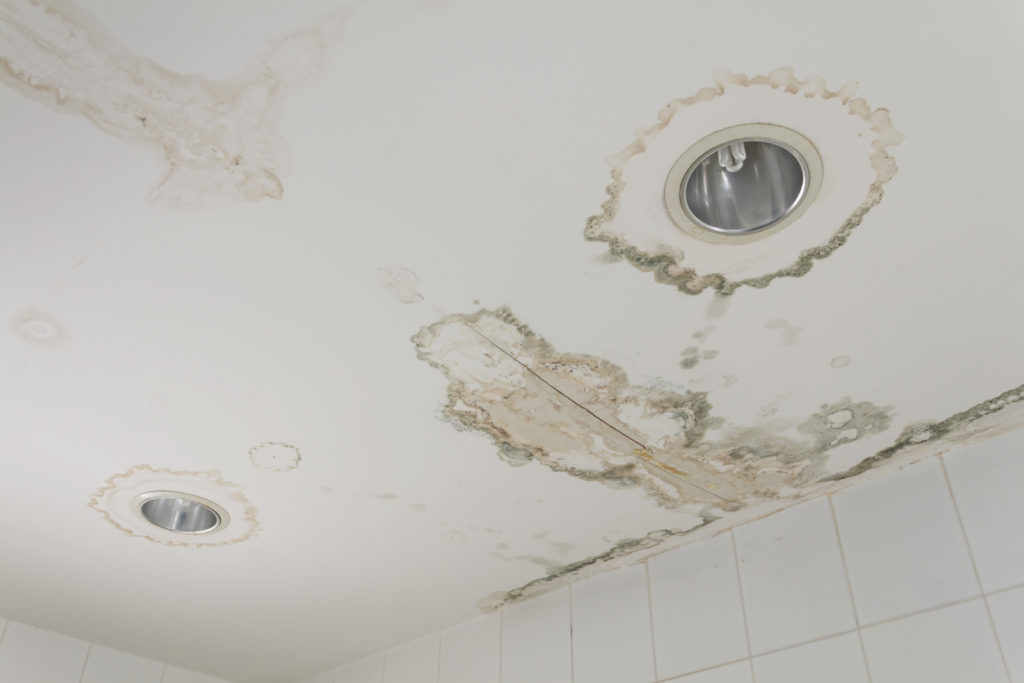
7. You Notice Water Damage in an Adjacent Room
One of the most concerning signs of a bathroom moisture problem is damage appearing outside the bathroom.
For example, you might notice:
• Staining on the ceiling below
• Damp patches on an adjacent wall
• Peeling paint
• Swollen skirting boards
• Musty smells
• Discolouration
• Moisture near the bathroom doorway
If the bathroom is located above another room, water damage on the ceiling underneath can be particularly important.
Water can travel through building materials, meaning the visible damage may not be directly underneath the original source.
This is why finding the visible stain is not always the same as finding the actual cause.
What Causes Bathroom Waterproofing Problems?
Waterproofing problems can develop for several reasons.
Understanding the possible causes can help homeowners recognise why a bathroom may begin to experience moisture issues.
Poor Waterproofing Installation
Incorrect installation is one potential cause of long term moisture problems.
Waterproofing needs to be applied correctly to the appropriate areas and integrated with other components of the bathroom.
Problems can occur when:
• Surfaces are not properly prepared
• Waterproofing is incomplete
• Junctions are not treated correctly
• Penetrations are not properly sealed
• Materials are used incorrectly
• Required drying or curing processes are not followed
Waterproofing is not an area where shortcuts are worthwhile.
Age and Deterioration
Bathrooms experience repeated exposure to water, cleaning products, temperature changes, and movement.
Over time, components of an older bathroom can deteriorate.
Silicone joints may fail.
Grout may crack.
Tiles may become loose.
Fixtures may develop leaks.
These changes can gradually increase the risk of moisture entering areas where it should not.
Movement in the Building
Buildings naturally experience some movement.
Changes in temperature, materials, settlement, and structural movement can place stress on tiled surfaces and joints.
If movement causes cracks or gaps, water may find pathways into underlying areas.
Plumbing Leaks
Not every bathroom moisture problem is caused by waterproofing.
A leaking pipe, shower fitting, tap, toilet connection, or drain can also create significant water damage.
This is why the source should be identified before assuming that the waterproofing system has failed.
Can Bathroom Tiles Prevent Water Leaks?
No.
Tiles provide a durable and attractive finished surface, but they should not be considered the bathroom’s primary waterproofing barrier.
Water can potentially move through grout joints, cracks, penetrations, damaged silicone, or gaps.
The waterproofing system beneath the finished surface is designed to protect the underlying structure.
This is one reason professional bathroom construction and renovation should treat waterproofing as an essential part of the overall system rather than an optional extra.
Why Shower Areas Need Special Attention
The shower is usually exposed to more direct water than other parts of the bathroom.
Every shower can introduce significant moisture to:
• Walls
• Floors
• Corners
• Floor wastes
• Plumbing penetrations
• Shower screens
• Niches
Small installation defects can become bigger problems over time.
Pay particular attention to corners and junctions because these areas require careful detailing.
A shower should be designed so that water is directed towards the drainage system and prevented from entering the surrounding structure.
Bathroom Waterproofing Problems in Older Melbourne Homes
Melbourne has many older homes with bathrooms that have been renovated, altered, or maintained over several decades.
Older bathrooms may have:
• Multiple layers of tiles
• Previous repairs
• Outdated fixtures
• Deteriorated grout
• Aged silicone
• Uneven substrates
• Previous waterproofing systems
• Plumbing modifications
When renovating an older bathroom, it is important to assess what is underneath the visible surface.
Simply installing new tiles over an existing problem does not necessarily resolve the cause.
A proper bathroom renovation should consider the condition of the substrate, waterproofing, drainage, plumbing, and finished surfaces together.
What Happens If Bathroom Waterproofing Problems Are Ignored?
Ignoring moisture problems can allow a small issue to become more complicated.
Potential consequences can include:
Damage to Walls and Floors
Continued moisture exposure can damage materials behind tiled surfaces.
Mould Growth
Persistent moisture can create conditions that support mould.
Deteriorating Finishes
Paint, grout, silicone, and other finishes can continue to deteriorate.
Loose Tiles
Moisture and substrate problems can contribute to tile failure.
Damage to Nearby Rooms
Water can travel into adjacent walls, floors, or ceilings.
More Expensive Repairs
The longer an underlying problem remains unresolved, the more extensive the eventual repair may become.
This does not mean every cracked tile or damp patch requires major reconstruction. The appropriate solution depends on the cause and extent of the problem.
Can You Waterproof an Existing Bathroom?
In some situations, an existing bathroom can be repaired or partially waterproofed.
The appropriate approach depends on the location and cause of the moisture problem.
Minor surface issues may require local repairs.
More serious waterproofing failures may require removing tiles and affected materials so that the underlying surfaces can be properly inspected and repaired.
For this reason, it is important to identify the source before deciding on a repair method.
Applying a new surface product over an unresolved moisture problem may only provide a temporary improvement.
Bathroom Waterproofing Repairs vs Full Bathroom Renovation
Not every waterproofing issue requires a complete bathroom renovation.
The right solution depends on factors such as:
• Age of the bathroom
• Location of the moisture
• Extent of the damage
• Condition of the tiles
• Condition of the substrate
• Plumbing condition
• Waterproofing condition
• Drainage
• Previous repairs
If the bathroom is otherwise in good condition and the problem is isolated, a targeted repair may be possible.
If the waterproofing has broadly failed and the bathroom is already showing signs of deterioration, a larger renovation may be more practical.
A professional inspection can help determine the appropriate approach.
How to Prevent Bathroom Waterproofing Problems
Prevention starts during the design and installation stage.
Use Appropriate Waterproofing
Wet areas need an appropriate waterproofing system installed according to relevant requirements.
Prepare Surfaces Properly
Waterproofing and tiling depend on suitable substrates.
Uneven, dirty, unstable, or damaged surfaces can create installation problems.
Maintain Silicone Joints
Silicone around showers, baths, basins, and other junctions can deteriorate over time.
Damaged or deteriorated silicone should be assessed and replaced when necessary.
Repair Damaged Grout
Cracked or missing grout should not simply be ignored, especially in areas exposed to regular water.
Maintain Ventilation
Good ventilation helps reduce humidity and condensation.
Use exhaust fans and allow the bathroom to dry after showering.
Address Leaks Quickly
Do not ignore leaking taps, shower fittings, pipes, or drainage issues.
A small leak can cause much larger problems if left unresolved.
What Should You Do If You Notice These Signs?
If you notice one or more of these warning signs, start by documenting what you are seeing.
Take photographs of:
• Cracked grout
• Loose tiles
• Mould
• Peeling paint
• Water stains
• Damp areas
• Damaged silicone
Also note when the problem appears.
For example, does the water appear only after someone showers, or is the area damp all the time?
This information can help a professional understand the problem.
Do not immediately cover the affected area with paint, sealant, grout, or tiles before identifying the cause.
A cosmetic repair may hide the visible symptom while leaving the underlying issue unresolved.
Frequently Asked Questions
How do I know if my bathroom has a waterproofing problem?
Common warning signs include recurring mould, damp smells, peeling paint, loose tiles, cracked grout, water escaping from wet areas, and staining in nearby rooms. These signs can have other causes, so professional assessment may be needed to identify the source.
Can cracked grout cause water damage?
Cracked or missing grout can create pathways for water to move behind tiled surfaces. However, grout is not the bathroom’s primary waterproofing system, so replacing grout alone may not resolve a deeper waterproofing problem.
How often should bathroom waterproofing be checked?
There is no single inspection interval that applies to every bathroom. Older bathrooms and bathrooms showing signs of moisture should be assessed when problems appear rather than waiting for visible damage to become severe.
Does mould always mean waterproofing has failed?
No. Mould can also result from condensation, high humidity, poor ventilation, plumbing leaks, and other moisture sources. Recurring mould around a wet area should be investigated to determine the cause.
Can loose bathroom tiles indicate water damage?
They can, although loose tiles may also result from poor adhesive coverage, movement, substrate problems, or installation issues. Multiple loose tiles or recurring tile failure should be professionally assessed.
Can I fix bathroom waterproofing myself?
Some minor maintenance tasks can be completed by homeowners, but waterproofing is a critical part of bathroom construction. Significant waterproofing repairs should be assessed and completed by appropriately qualified professionals.
Can I waterproof over existing bathroom tiles?
The appropriate method depends on the condition of the existing bathroom and the specific problem. Simply applying a waterproofing product over tiles does not necessarily correct a failed waterproofing system underneath.
How long does bathroom waterproofing last?
The lifespan of a bathroom waterproofing system depends on the materials, installation quality, building movement, bathroom use, and maintenance. Problems should be addressed when warning signs appear rather than relying solely on age.
Does a bathroom renovation include waterproofing?
A properly planned bathroom renovation should consider waterproofing as part of the wet area construction. The exact scope depends on the renovation and existing bathroom condition.
What is the biggest sign of bathroom waterproofing failure?
There is not one single sign that proves waterproofing failure. Water damage appearing outside the bathroom or recurring moisture around a shower can be particularly concerning and should be investigated promptly.
Final Thoughts
Bathroom waterproofing problems should not be ignored simply because the bathroom still looks usable.
Recurring mould, peeling paint, loose tiles, cracked grout, damp smells, water escaping from the shower, and damage in nearby rooms can all indicate that moisture needs further investigation.
At the same time, these symptoms do not automatically mean that waterproofing has failed. Plumbing leaks, ventilation problems, damaged silicone, poor drainage, and installation defects can produce similar signs.
The key is to identify the source before carrying out a repair.
If your Melbourne bathroom is showing signs of moisture damage or you are planning a bathroom renovation, professional waterproofing and tiling can help protect the finished space and the structure underneath.
Get Free Strategy Session